Nestled in Pakistan’s breathtaking Northern Areas, Gilgit Hunza stands out as a top tourist destination for travelers who want to immerse themselves in nature, embark on thrilling adventures, or explore rich historical sites. With stunning landscapes, majestic mountains, and serene lakes, our Hunza Tour Packages offer a range of attractions that promise unforgettable experiences. Here are the top 10 must-visit tourist attractions in Hunza Valley:
Attabad Lake was formed due to a massive landslide in 2010 that killed 25 people and blocked the Hunza River flow at its point for five months. Because of flooding, around 6,000 people were displaced from their homes and left stranded in upstream villages, bringing the total to around 26,000. This stunning frame captures the essence of Upper Hunza, Gilgit-Baltistan, a testament to the region’s unparalleled natural splendor and cultural significance.
Moreover, the massive landslide inundated more than 19 kilometers of the Karakoram Highway. Later, it stretched to 21 km, covering the entire lower village of Shishkat, and parts of Gulmit went underwater. It is one of the best travel destinations to visit on a Hunza Valley Tour Package.
In addition, the pristine nature of the Passu Cones makes them an ideal destination for someone like me, always up for remote, unspoiled vistas. Where activities and nature entwine, the breathtaking beauty of Attabad Lake and rich heritage come together in perfect harmony!
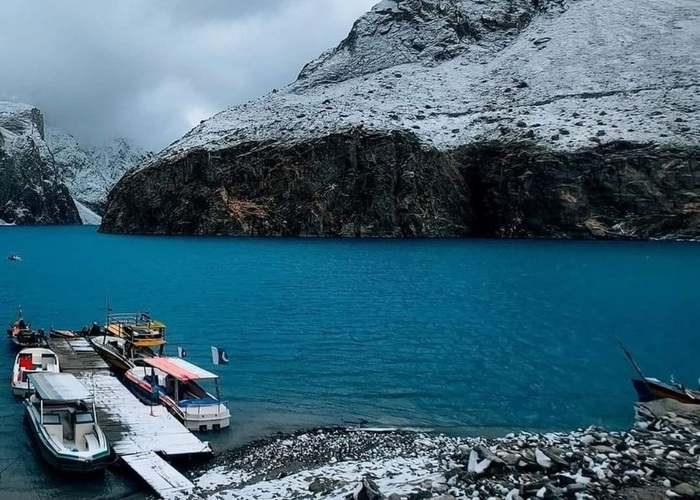
The naturally formed Attabad Lake has become a popular tourist destination. It has also become a significant source of income for locals. Many hotels and resorts have been established, and anyone visiting Hunza must stay at one of them. One of the most famous hotel chains, Luxus, opened Luxus Attabad Lake Resort right on the lake’s shore, with amazing views from the resort rooms that attract many tourists. Many other premium hotels and resorts are available for a night’s stay to enjoy the lake’s natural beauty. “TripMaker” offers its most popular tailor-made and Tour Packages to Hunza & Attabad Lake at economical prices.
🎟️ Entry Price: 1,000 PKR for locals and 1,500 per head for foreigners
📅 Best Time to Visit: April to October
🚘 How to Reach: Just 20 mins from Skardu Airport and 30 mins from Main Skardu
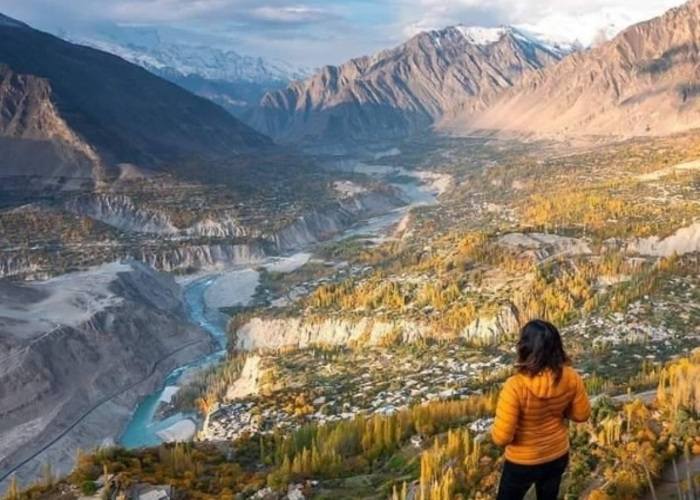
Eagle’s Nest is a breathtaking site near Karimabad in the Hunza district of the Gilgit-Baltistan region. With a bird’s-eye view of Hunza District from the top of the hill, you can view the majestic Rakaposhi Peak, Lady Finger Peak, Ultar Peak, and the breathtaking rivers and Lakes of Hunza.
It takes only 15-20 minutes to drive from Karimabad Bazar to Eagle Nest View Point. Book a jeep in advance for Rs. 5000 for a round trip from Karimabad, Hunza, as the drivers know how to navigate the rough, narrow, zigzag tracks and will ensure a safe journey.
Here, you will find the renowned Eagle’s Nest Hotel, where tourists can enjoy finger-licking food and a soothing environment. If one wakes up early and hikes to Eagle’s Nest after a little hike, you can witness the incredible sunrise and rays falling on the mountains.
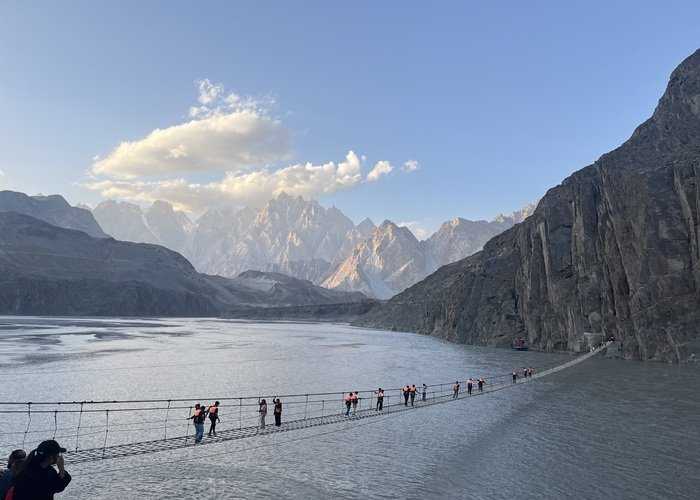
The old suspension bridge over the Hunza River reminds us how difficult it was to supply these isolated areas in the past. Before roads were built, people carried supplies along the frozen Hunza River.
Parking on the Silk Road, you will have to walk down to the bridge. You will see small traditional clothing shops and dry fruit stalls around this beautiful rough path, which some men and women run. With a smile from passing shopkeepers, the welcome words “Islam Alaikum” will also be heard, which will help you shake off your travel fatigue.
If you take a turn in these thoughts, you will stand in front of the bridge. During the British Raj, this bridge was built in the village of “Shashkat” in the Gojal Valley. Later, during the construction of the Silk Road in 1968, on the orders of Mir of Hunza Muhammad Jamal Khan, it was moved to “Hussaini Village” to connect Hussaini village and “Zarabad Village” on the other side of the Borat/Hunza River.
The current bridge was constructed in 1994 after the previous bridge was flooded. It is about 100 feet above the river and about 700 feet long. It was built with iron ropes and 400 or fewer wooden planks. There is so much distance between the wooden planks that a man can easily cross the river.
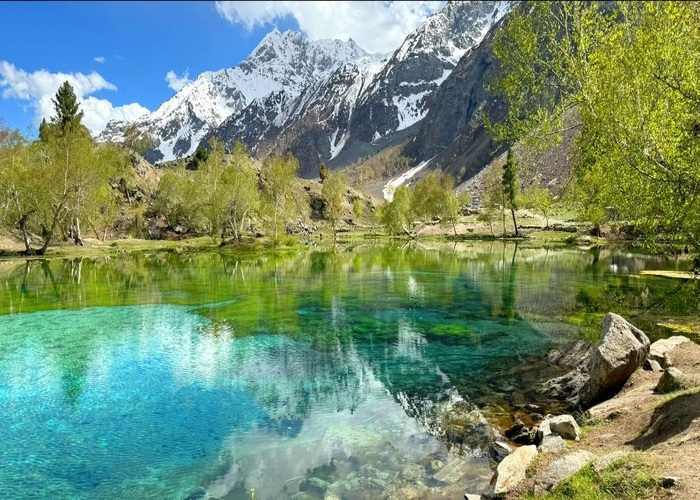
Satrangi and Blue Lakes in Naltar are probably the most spectacular Excursions in Pakistan for those who like a bit of adventure. The road to Naltar is pretty but very dusty until the village of Nomal. After Nomal, you drive along the side of the mountains, and the climb is quite steep. At the upper Naltar, you instantly see the beautiful meadows. The temperature is also chilly. You can get a fancy escape from Gilgit`s heat. A small restaurant in the meadows can serve a hot meal, or you can carry Lunch boxes from Serena and have the restaurant make tea for you.
🎟️ Jeep Price: 5,000 till Zero Point and 15,000 till Naltar Lakes
📅 Best Time to Visit: April to October
🚘 How to Reach: Just 1 hour from Gilgit and 45 mins from Main Hunza
Hopar Valley is one of the top picnic spots in the Hunza Valley. It has a pleasant climate, scenic beauty, and a variety of fruit, including apples, peaches, apricots, pears, and persimmons. It is considered one of the best family tour attractions in the Hunza Valley, for both summer and winter tourism.
It is spread across the five glaciers in this village close to the Rakaposhi mountain range:
It attracts tourists with views of the Himalayas and Victorian-style colonial architecture. Rakaposhi, at 7,788 meters, is the highest peak and is also called a singing hill because of the pleasant sound of the wind flowing through the woods. Nagar Valley, surrounded by lush green forests, cascading waterfalls, and scenic viewpoints, is another tourist attraction.
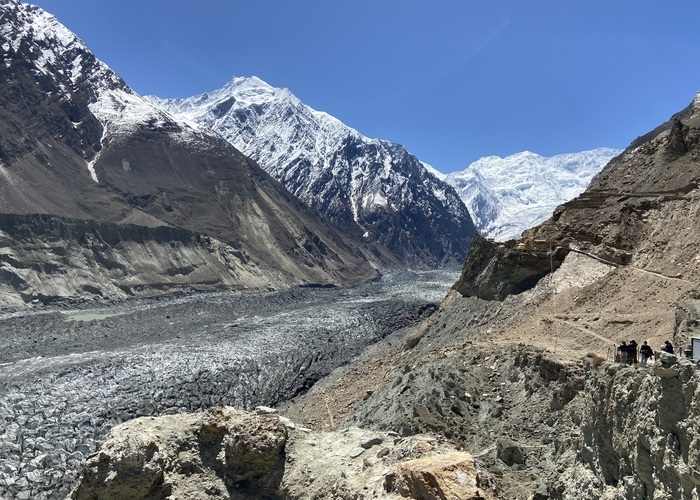
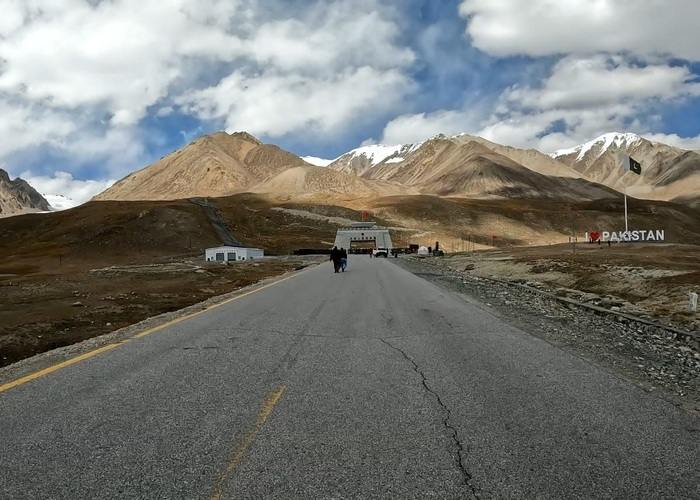
The Khunjerab Pass (Pak-China Border) connects the Northern tip of Pakistan with the far west of China and is the world’s highest paved border crossing. Beyond trade and local business, it also serves official government activities and, of course, adventurous overland travel.
From Hunza to Sost, the distance is around 100 km and takes 2.5 to 3 hours, according to estimates. From Sost to the Khunjerab National Park entry point is about another 30/35 km and takes up to 1.5 hours on one side. The distance from the National Park entry gate to the Khunjerab border pass is 50 km, and the trip takes around 2 hours. The round trip from Hunza Valley to the border and back takes around 8 hours.
🎟️ Entry Price: 1,000 PKR for locals and 30 USD per head for foreigners
📅 Best Time to Visit: April to October
🚘 How to Reach: Just 20 mins from Skardu Airport and 30 mins from Main Skardu
Suggested Read: 10 Best Places to Visit in Azad Kashmir Neelum Valley
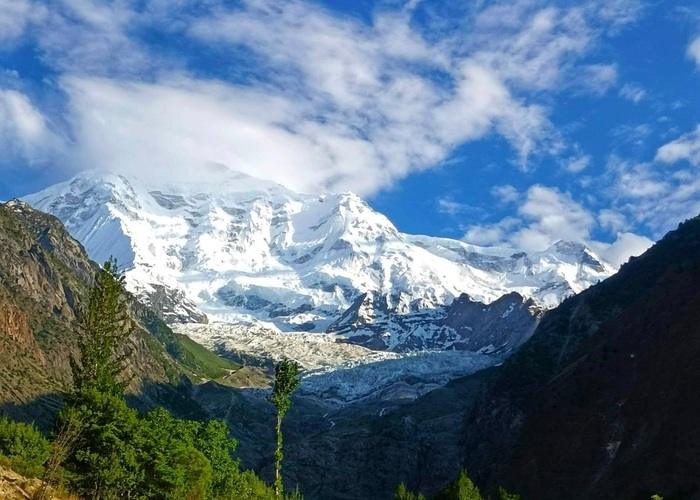
Rakaposhi is the world’s 27th-highest peak and the 12th-highest in Pakistan, located in the Karakoram Range of Gilgit-Baltistan. Rakaposhi Viewpoint is a point on the Karakoram Highway, renowned as one of the most visited tourist attractions en route to Hunza Valley.
It lies between the Nagar and Bagrote valleys, about 100 km (75 minutes) north of Gilgit (a semi-autonomous Gilgit-Baltistan region of Pakistan).
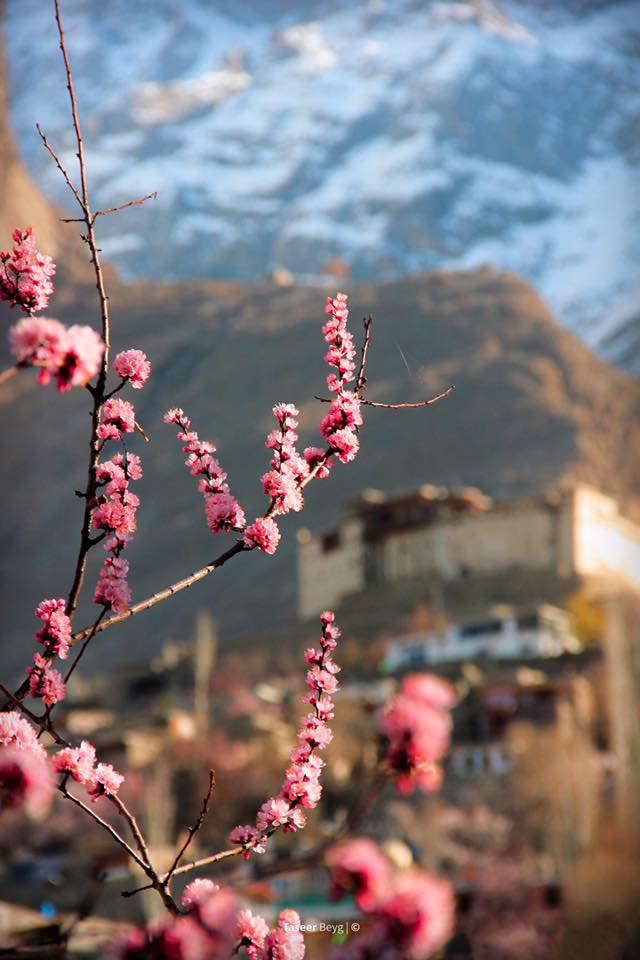
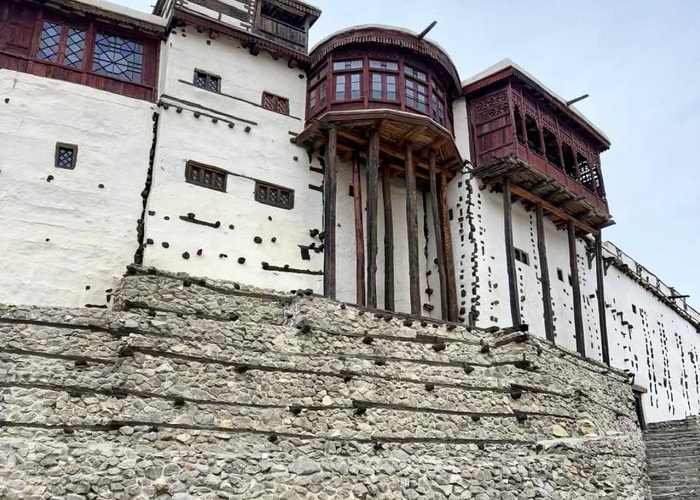
Karimabad is the capital of Hunza Valley; Baltit is Karimabad’s old name. It is named after Prince Karim Aga Khan, the spiritual head of the Shia Ismaili Nizari community. Karimabad Market offers many restaurants and cozy hotels. From this market, you can see the whole Hunza Valley.
People still refer to Karimabad as Baltit. The Guardian ranked it among the five Best Tourist Sites in Pakistan. Both Baltit Fort and Karimabad village received the World Award of Tourism in 2000 when Indonesia, Australia, India, Britain, and other countries competed.
Suggested Read: Top 10 Must Visiting Spots in Skardu
🎟️ Entry Price: 800 PKR for locals and 2,000 per head for foreigners
📅 Best Time to Visit: April to October
🚘 Timings: 9:00 am to 4:00 pm
There are many kinds of fruits cultivated, e.g., apricots, cherries, nectarines, peaches, apples, plums, grapes, pears, etc. When we talk about the Hunza fruits, we can not forget about the Hunza apricots. Apricot trees are more common in the Hunza Valley, where the apricot is a famous, legendary fruit and, in ancient times, was the main source of food. The Hunza people used apricot juice as part of their diet; they dried them in summer and used them in the winter. That’s why they never had cancer or had a low cancer rate. While the other stone fruits are also significant crops in these areas.
Nestled in the cradle of the Karakoram Range, the Passu Cones are a group of awe-inspiring mountains situated in the Upper Hunza district of Gilgit-Baltistan, Pakistan. This array of granite peaks lies in the village of Passu, approximately 50 kilometers from Hunza town.
The Passu Cones offer a breathtaking amalgamation of beauty and grandeur. These granite peaks rise majestically, framed by dramatic ridges, sharp spires, and towering cliffs. The immaculately crafted geometrical cones caught my attention throughout my entire journey from Sailing Valley to Machlu, and I just couldn’t stop myself from clicking them, as these captivating Peaks offer innumerable views to behold.
Suggested Read: Must Visit Tourist Destinations in Swat Kalam Valley
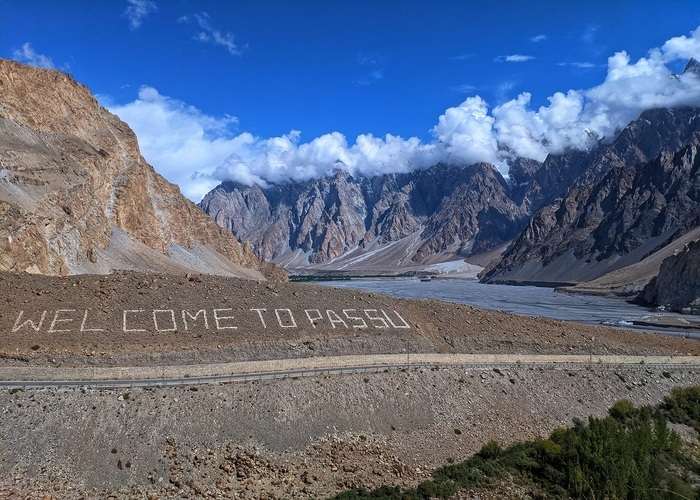
The Karakoram Highway, which runs through the Hindu Kush, Pamirs, Kunlun Mountains, and Karakoram Range, is an international high-altitude road surrounded by stunning mountain scenery. The Karakoram Highway connects Pakistan with Kashgar, in western Xinjiang, China. Both countries also call it the Pak-China Friendship Highway. Also, check the weather first before traveling on KKH.
The road took 20 years to complete, despite workers’ sacrifices, including deaths, because of Asia’s rugged, challenging terrain. That’s why the Karakoram Highway is called the 8th wonder of the world. The Karakoram Highway was completed in 1978; however, it was opened to the public in 1985. The beautiful Karakoram Highway is also called Zhongba Youyi Gonglu in Chinese.
The Highway is a great place to get a panoramic view of towering mountains, and it is, maybe, the only place from where you can witness an 8000-meter-high mountain from your car window. As the world’s highest paved road, the highway reaches an elevation of 4,800 m at Khunjerab Pass.
Tourists around the globe travel on this road to witness the region’s majestic beauty. It ends on the Pakistan side at Khunjerab Pass (Pak-China border). Karakoram Highway weather is cold and remains cool even on summer days. One more question frequently asked is, ” Is the Karakoram Highway safe to travel? Yes, as it lies in such a part of Pakistan, with a nominal crime rate. Gilgit Baltistan is considered one of the safest parts of Pakistan.
TripMaker Tourism Services offers the most fantastic Hunza Valley Tour for the Karakoram Highway Tour. As one of the most reliable companies with years of experience in the field, we will meet your expectations on your holiday excursion.
Within the Hunza Valley near Gilgit City, atop majestic hills and on the banks of the clear and pristine Hunza River, ancient forts provide a small glimpse into the past. Originally constructed for the Mirs of Hunza Valley, the fort blends traditional Himalayan and Chinese architecture.
The Baltit and Altit Forts in Hunza Valley are must-see attractions, known for their impressive fireplaces, elegantly designed staircases, and intricate wooden and stone craftsmanship. These fortresses in Karimabad are UNESCO cultural heritage sites. Visitors should also explore the folk art museum and the Ultar Sar spring, both unmissable highlights.
🎟️ Entry Price: 650 PKR for locals and 1,650 per head for foreigners
📅 Best Time to Visit: April to October
🚘 Opening Hours: 9:00 am to 4:00 pm
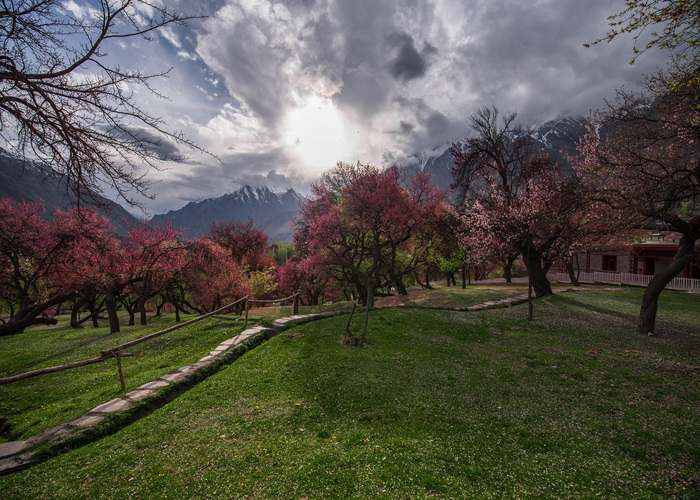
Borith Lake is known by both names. This lake in Gilgit attracts the eye with its spectacular lights. As we watched it, the restless rays of the sun fell on it in such a way that, on its clear blue water, shining eyes were visible from place to place.
The mountains around the lake offer different landscapes from all four sides. The snowy peaks in the distance were also drawn to the side, their heads raised. There was a lot of sunshine, but there was a feeling of cold in the air, and there was a faint smile in the water flowing on the surface of the lake from this wind.
Some locals were engaged in swimming competitions. A foreign tourist rowed a boat. Some children on one shore and tourists from far away enjoyed dipping their feet in the lake water. The hotel, built along the lake, was also decorated in a unique, natural way. They used trees and stones in their original form for decoration. One floor above the lake, the feeling was overwhelming and flowed with the lake’s water.
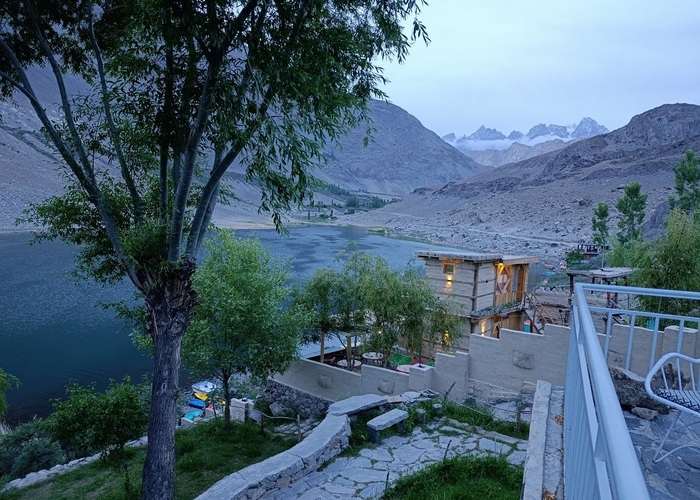
Ganish Village is an ancient settlement in the Hunza Valley and is one of the most beautiful destinations. Visit Ganish to see a 1000-year-old village that remains well preserved and offers breathtaking mountain views. The village features ancient architecture and a hospitable local population. The mesmerizing beauty and rich cultural heritage of Ganish village offer visitors an unforgettable experience.
While exploring traditional markets, visiting historic monuments, enjoying local cuisine, and admiring snow-capped mountains, visitors can experience the warmth of the locals. Ganish village is an ideal place to unwind and experience the historical famous attractions in the Hunza Valley.
Must Read: Adventurous Places to Visit in Kumrat Valley
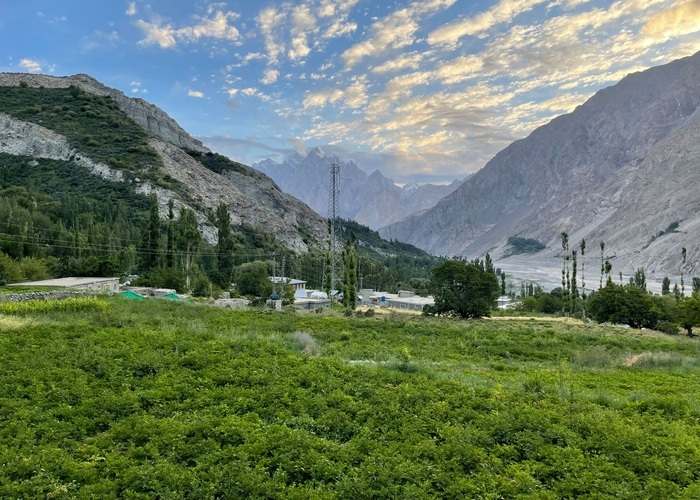
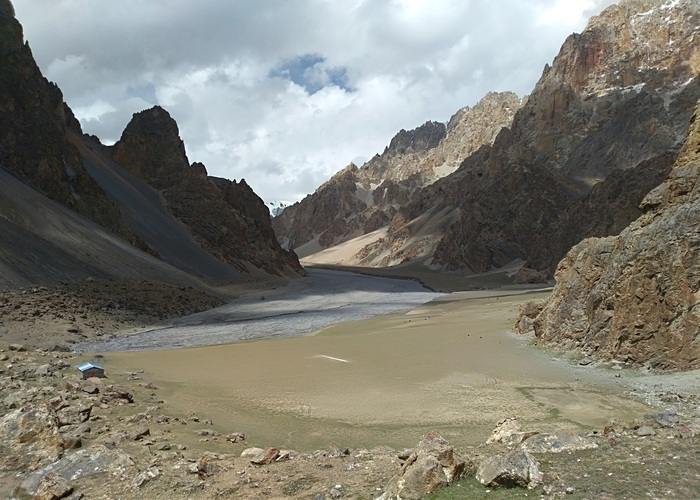
Shimshal Valley, situated in the Gilgit-Baltistan region of Pakistan, is renowned for its breathtaking natural beauty and diverse trekking opportunities. The towering peaks of the Karakoram Range surround this remote and picturesque valley.
Tourism in Shimshal Valley primarily centers on trekking, mountaineering, and exploring the unique culture of the Wakhi people who inhabit the region. Here are some popular activities for visitors:
Shimshal Valley is famous for its trekking routes, which offer stunning views of snow-capped peaks, glaciers, and alpine meadows. The trek to Shimshal Pass and Shimshal Lake is particularly favored among adventurers.
For experienced climbers, Shimshal Valley serves as a gateway to some of the world’s most challenging peaks. Expeditions to peaks such as Minglik Sar, Lupghar Sar, Dastgill Sar, and Yazghil Sar begin here.
Visitors can immerse themselves in the rich cultural heritage of the Wakhi people by staying in traditional homestays, interacting with locals, and participating in cultural events and festivals.
The valley is home to many wildlife species, including blue sheep, ibex, and snow leopards, as well as numerous bird species, making it a paradise for wildlife enthusiasts and photographers.
The stunning landscapes, dramatic mountain scenery, and vibrant cultural scenes make Shimshal Valley a haven for photographers.
However, because of its remote location and rugged terrain, traveling to Shimshal Valley requires careful planning, appropriate gear, and possibly the assistance of experienced guides or tour operators familiar with the area. Additionally, travelers should respect the local culture and environment while visiting this pristine region.