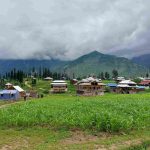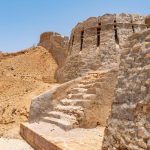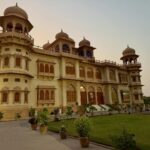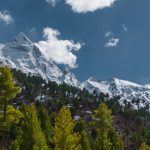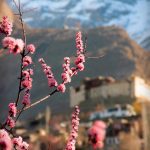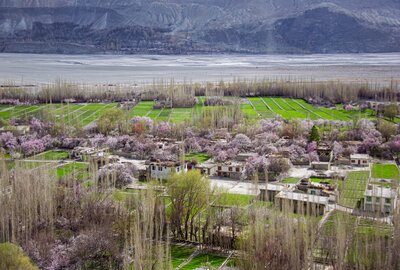
The ideal time to explore Hunza Valley varies based on personal preferences and the best time to visit Hunza Valley, Pakistan, during the year. In Spring (March to April) frame of white and pink blossoming flowers and pleasant weather with 5 °C. Every season presents its own distinct and enchanting experience in Hunza Valley Tour Packages.
The summer season (June to September) is an ideal time for trekking and outdoor activities like paragliding, trekking, and river rafting. Autumn (October to November) showcases breathtaking fall foliage in different regions 10°C temperature. Winter (December to March -10 °C) appeals to those who desire snowfall and a tranquil winter scenery.
Springtime in Hunza Valley is a vibrant season filled with colors and a plethora of activities for travelers. The prime months to visit are from March to May, when the weather is delightful, offering warm and pleasant temperatures.
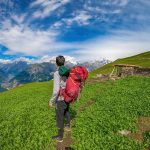
For hiking and trekking enthusiasts, spring is the perfect season to explore the Hunza Valley. During this time, the trails are clear, the weather is comfortable, and the stunning scenery is present with lush greenery and blooming flowers. Popular treks include the Passu Glacier Trek, Ultasar Base Camp Trek, and Rakaposhi Base Camp Trek, making it a hiker’s paradise.
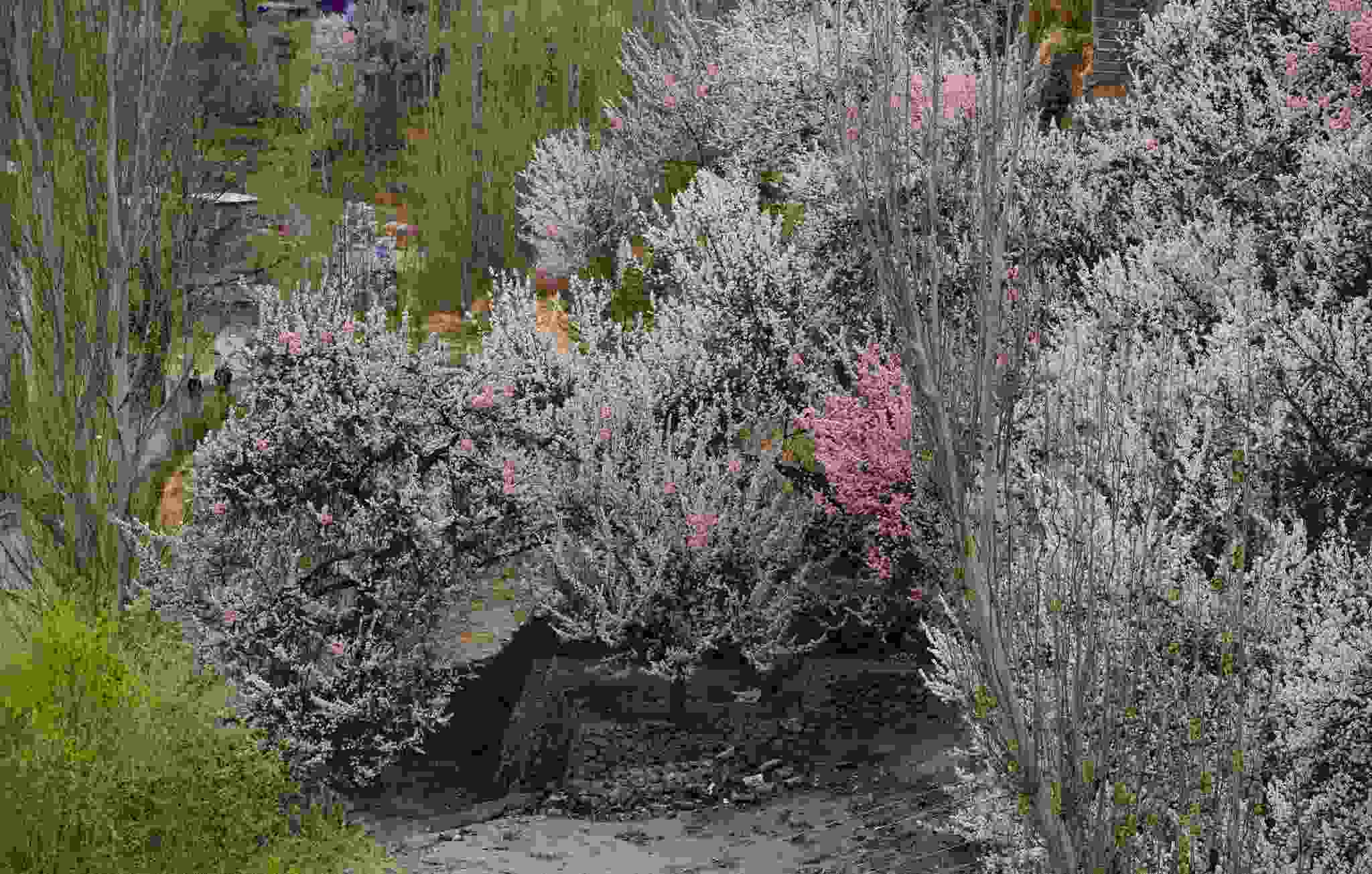
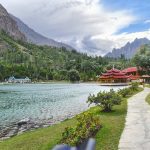
Hunza Valley truly comes alive in the summer, renowned for its exciting trekking opportunities and boating on Attabad Lake. This season attracts visitors from around the globe eager to experience the valley’s breathtaking views.
Boating on the vibrant blue waters of Attabad Lake and trekking amidst the pleasant summer weather provides an unforgettable experience, allowing visitors to take in the majestic mountains and stunning landscapes.
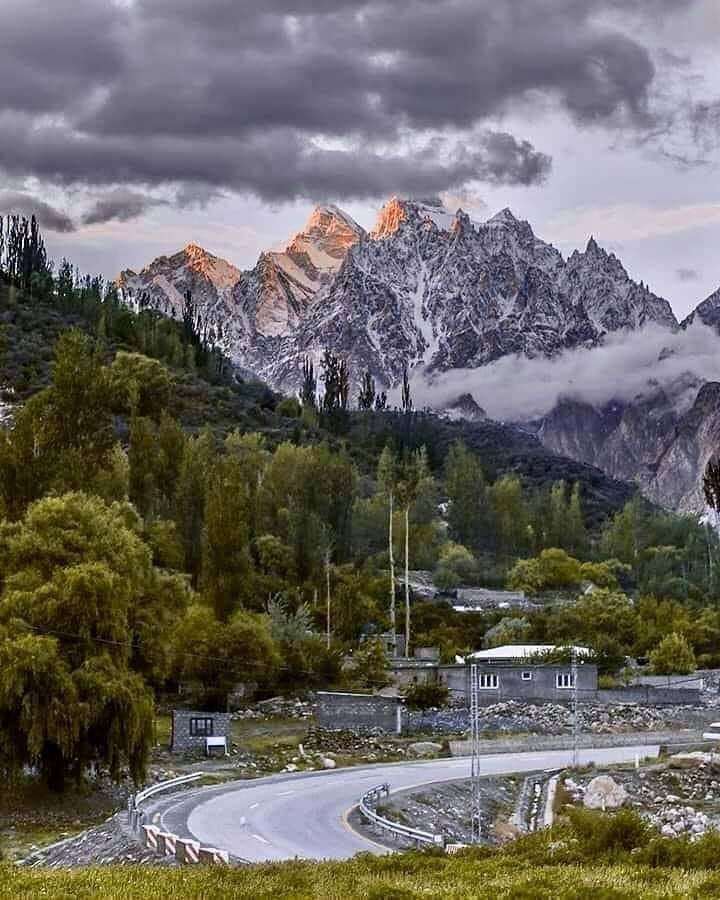
Autumn sets in with September and continues until November, just before winter arrives. This season is celebrated for its rich autumnal colors and lovely weather, as the leaves of the trees transform into shades of red, orange, and yellow, creating a striking contrast against the towering mountains.
Autumn is an ideal time for visitors to enjoy the cool, crisp mornings and sunny afternoons that autumn presents in Hunza Valley.
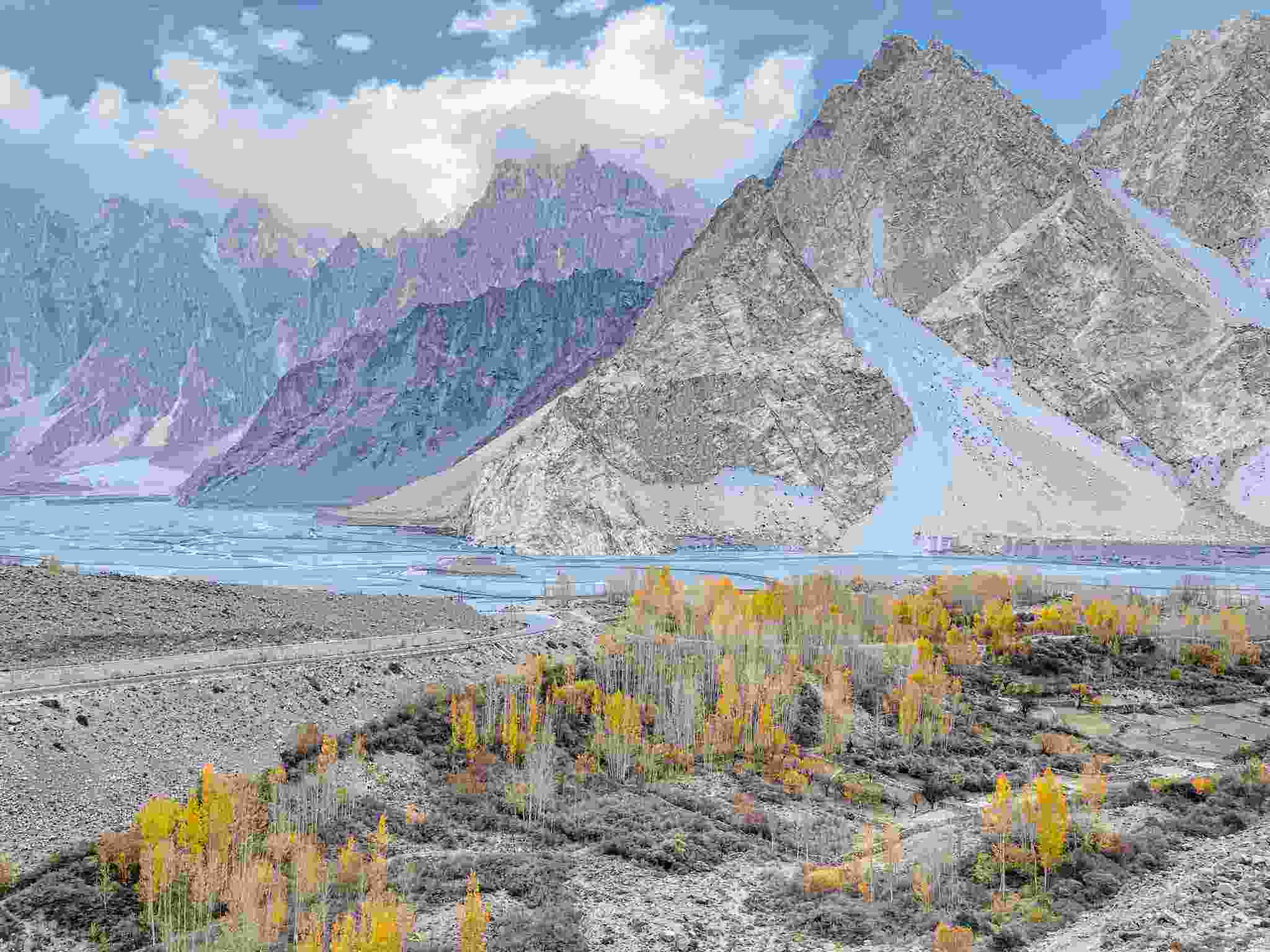
After autumn, winter arrives, bringing a dramatic change in weather. The temperatures drop, and the mountains become blanketed in snow. This unique winter landscape attracts many travelers, particularly photographers, nature lovers, and adventurers eager to explore Hunza Valley’s winter wonderland.
Visiting during this season opens up a range of new experiences in the snow-covered surroundings, making it a memorable time for those who venture there.
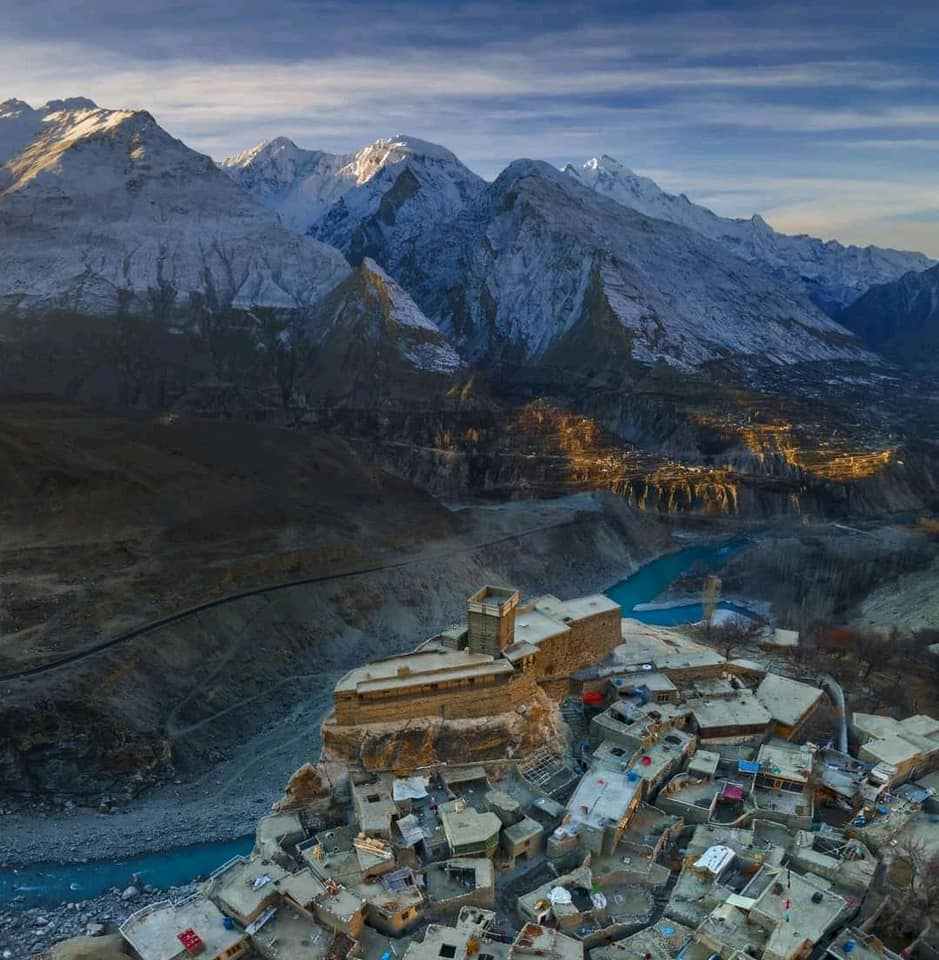
Weather conditions in Hunza Valley vary significantly across seasons, with each one offering a distinct experience. Travelers should familiarize themselves with general climate patterns and seasonal conditions before planning their visit.
The unexpected rain effect plays a significant role in the local climate, especially snowfall, which can affect travel plans. Visitors need to check the weather conditions ahead of time to ensure a fulfilling experience.
Additionally, the high-altitude climate can influence temperatures and overall visitor experiences. Travelers should be prepared for potential changes in their expectations due to the weather at this elevation.
A closer look at Hunza Valley through its different seasons reveals a variety of experiences depending on when you visit.
temperatures start to rise, melting the snow and drawing many people to the valley for scenic views.
Hunza bursts into a riot of colors as spring blossoms with cherry flowers and apricot trees, making it a stunning sight for visitors.
warm weather allows for plenty of outdoor activities, such as trekking, hiking, and boating, with lush green landscapes that are sure to delight travelers.
signals the onset of autumn, bringing with it a beautiful change in leaf colors that contrast beautifully with the mountain backdrop.
the autumn season winds down as snowfall begins to cover the valley, gradually transforming the region into a winter wonderland.
Those who contemplate the beauty of the Hunza find reserves of strength that will endure as long as life lasts.
Understanding the weather and seasons is vital for those organizing a visit. The best time for a trip depends on the activities you wish to engage in. Whether trekking through snowy landscapes or enjoying local food during festivals, the weather is key.
Navigating the Hunza Valley requires awareness of road conditions and seasonal accessibility. Outdoor activities, such as trekking and birdwatching, vary with the changing weather. Experiencing local festivals provides a look into the cultural traditions, and selecting accommodations suited to the season enriches your overall visit.
The specific weather conditions in Hunza have deeply impacted local customs and traditional activities. Stories shared across generations often focus on the changing seasons, snow-capped peaks, and community strength. These narratives offer insights into the cultural heritage that shapes life in Hunza with our Pakistan Tour Packages.
The residents of Hunza have formed unique survival tactics to cope with tough weather conditions. From facing extreme temperatures to promoting community resilience, there is much to learn from their strategies. Discover how the community flourishes amid weather-related difficulties. Skardu Tour Packages are also available to cover all the Karakoram and the Himalaya Ranges.
Regardless of experience, helpful advice for visiting Hunza can improve your journey. Thoughtful planning guarantees an unforgettable trip, from identifying the best times for various activities to packing essentials appropriate for the weather. Autumn and winter are the best seasons for Hunza Honeymoon Tours.
Our deep study into why you will appreciate the weather of Hunza Valley continues by focusing on the wide variety of outdoor activities that flourish in these different climatic regions. From trekking in snow-covered terrains to taking part in local festivities, every season in Hunza presents a unique adventure. You can get more information according to your city.
For those passionate about adventure, the temptation of trekking and hiking in Hunza is hard to resist. Each season offers its allure, whether winter snow-laden paths or spring-blooming vistas. Discover the most recommended treks for all weather enthusiasts and embark on a journey through nature marvels.
The cultural events in Hunza are closely connected to its weather patterns. Local festivals and celebrations mark the changing seasons, enabling visitors to experience traditional dances, music, and rituals. Immerse yourself in the dynamic cultural legacy that springs to life with each season’s arrival.
The culinary treasures of Hunza Valley present the climatic changes and the seasonal availability of local ingredients. Explore the seasonal culinary delights and learn how local dishes adapt to the varying weather and climatic changes. Each meal narrates a tale of heritage and creativity, ranging from hearty winter soups to refreshing summer entrees. Check the weather before visiting.
You need to know about basic travel tips that become essential to prepare yourself for this captivating location adventure. You need to get travel information about road conditions and accessibility to ensure an unforgettable, safe, and sound experience. Whether you are a Hunza tasty food lover, a history passionate, or a nature lover, these Pakistan Northern Areas Tours insights cater to every type of traveler’s interests from all over the world.
The Hunza Valley offers a variety of outdoor and indoor thrilling tourist activities for adventure lovers. It features hiking, trekking, boating, skiing, and incredible photography opportunities presenting the valley’s stunning colors. The allure of the Hunza Valley draws adventurers, nature enthusiasts, and photographers from all around the world.
During the summer months from June to September, the Hunza Valley offers many outdoor activities. The weather is pleasant, and the vibrant green landscape encourages visitors to trek on lofty mountains. This season is ideal for trekking, especially on routes like the Rakaposhi Base Camp, because glaciers melt due to the scorching heat of the sun. May to August is the optimal season for water sports activities, jet skiing, ziplining, and boating in Attabad Lake.
Springtime brings numerous cultural festivals to Hunza. Local festivities and cultural events, such as the cherry blossom festival and apricot blossom celebrations, take place from February to April.
Moreover, the prime months for wildlife observation in Khunjerab National Park are primarily from December to February. During this period, snow leopards, deer, and various bird species emerge in the park, delighting the visitors.
Start Date: 10 January Onwards*
This event features a variety of winter sports activities, celebrating the beauty and excitement of winter in the Karakoram region.
Date: 21 March
Novroz marks the arrival of spring and the Persian New Year, celebrated with cultural festivities and traditional practices.
Date: June*
This festival is held in June to honor the harvest season, showcasing local produce and traditional customs.
Date: June*
A spiritual gathering in June that focuses on prayer and community, promoting a sense of awakening and connection.
Start Date: 11 July Onwards*
A significant occasion for many that includes various cultural and religious activities to commemorate this special day.
Date: September*
This festival celebrates the rich cultural heritage and history of the Silk Route, featuring arts, crafts, and traditional performances.
*Dates: 27 and 28 June*
An exhilarating cycling event that takes participants through stunning landscapes, promoting adventure and outdoor activity.
Date: October*
This lively event features a futsal tournament, bringing together local talent and fostering friendly competition.
Date: 23 October*
A day of celebration that involves various community activities to honor significant anniversaries.
Date: 13 December*
Another occasion to celebrate Imamat Day, filled with cultural events and community gatherings.
Date: 21 December
A cultural event that occurs in December, reflecting local traditions and festivities.
These events offer a wonderful opportunity to experience and engage with the rich cultural heritage of the region.
For most travelers, the best time to visit Hunza is from late April to early October. Spring (with blossoms) and summer (featuring clear trekking weather) are ideal; autumn (September to October) offers fantastic colors and excellent photography opportunities. Winters are very cold and are best suited for those seeking snow-related experiences.
Choosing the right time to visit Hunza, with its clear mountain views, open treks, cherry and apricot blossoms, or fall colors, is essential. The months you select will affect road access, accommodation availability, temperature ranges, and festival experiences. This guide provides detailed information about what to expect day-to-day, what to pack, and three ready-to-use itineraries to help you plan quickly and confidently.
💡 **Tip:** For perfect photography (clear skies and blossoms), aim for the last week of March to the second week of April, as higher villages bloom slightly later.
– Spring (March–May): Blossoms, mild weather, and low crowds early in the season make it excellent for photography and cultural experiences. Peak blossoms occur from late March to mid-April in lower Hunza, with higher villages blooming a week or two later.
– Summer (June–August): Warm days provide ideal conditions for trekking and road travel (the Karakoram Highway is typically fully passable). It is the peak tourist season.
– Autumn (September–October): Enjoy golden poplar trees, clearer skies, and picturesque landscapes, along with harvest festivals (Ginani). It is a top choice for photography and cultural experiences.
– Winter (November–February): Very cold temperatures (which can drop well below freezing) make this season best for winter sports or solitude—expect many road closures.
– March—April: Spring Blossom Window
Lower Hunza (Karimabad, Altit/Baltit area) experiences blossoms from late March to early April. Great for festival events and soft morning light. Expect daytime temperatures between 8 and 18 °C.
May—June: Green, Stable Weather
Trees leaf out, and mountain trails become accessible. Comfortable daytime temperatures range from 15 to 25°C, making it ideal for longer treks with views of Rakaposhi and Hopper.
July—August: Peak Summer
These are the warmest months, with occasional rain in July. Perfect for high-altitude treks and exploring side valleys. Early booking for accommodation is recommended.
September—October: Autumn Colors & Harvest
The landscape is filled with golden poplars and clear skies; Ginani (harvest events) occur from late June to September, depending on the area. Late September to October offers stunning visual scenery.
November—February: Low Season (Winter)
Experience snowy, dramatic landscapes, but short daylight hours, limited services, and road closures. Select this season if you are prepared for cold-weather logistics.
⚠️ Warning: Weather can change rapidly in the Karakoram. Always check local road reports and verify permit/closure information with the Gilgit office before driving.
– Late March → Mid-April: Cherry and apricot blossom season (lower to mid-elevation; views from Karimabad and Attabad). The best photography conditions are during sunrise and sunset.
– June 21 (approximately): Ginani harvest celebration (local dates may vary, often aligned with the solstice).
– July (varies): Local apricot festivals (Gulmit has traditionally held events in late July).
– Winter (January): Some winter sports events and small festivals occur near Attabad/Qaqlasht (dates may vary).
💡 Tip Insider: Consider voice-search-friendly questions to rank for, such as When is cherry blossom season in Hunza? Answer succinctly at the start of your content (Late March to mid-April).
Day 1: Drive or fly to Gilgit, then travel to Karimabad (sunset viewpoint).
Day 2: Visit Baltit Fort, Altit Fort, the Royal Garden, and Duikar viewpoint. End the day with a sunset at Attabad Lake.
Day 3: Take a short hike to Hopper Lake or Borith Lake, then return.
Day 1: Arrive in Gilgit and then travel to Karimabad.
Day 2: Enjoy a walking tour of Karimabad, visits to Baltit and Altit Forts.
Day 3: Day trip to Attabad Lake, followed by visits to Gulmit and the Passu Cones.
Day 4: Explore Hopper Valley or Nagar and visit a local village.
Day 5: Return to Gilgit or continue your journey onward.
Days 1-3: Stay in Karimabad and immerse yourself in the local culture (sample local food, visit forts).
Days 4-6: Trek to the Ultar viewpoint or Rakaposhi Base and stay in a homestay.
Days 7-9: Explore Gojal, including Passu, Borith Lake, and the Hussaini Suspension Bridge.
Day 10: Buffer day for return or additional travel.
What to Pack — Season-Specific Checklist
– Spring/Autumn: Layering base, fleece, light down jacket, sturdy hiking shoes, sun hat, sunglasses, and quick-dry clothing.
– Summer: Light layers for the day, a warm layer for the nights, and a rain jacket (especially in July).
– Winter: Heavy insulated jacket, thermal layers, snow boots, and crampons for high passes (if trekking).
– Always: Sunscreen, water purification tablets, a small first-aid kit, a local SIM card, and a power bank.
Safety, Permits & Local Rules — What to Check
– Safety: Hunza is widely regarded as one of Pakistan’s safest travel destinations. Locals are friendly, and the tourism infrastructure is strong. However, always check the latest travel advisories before your trip.
– Permits & Registration: The Directorate of Tourist Services (Gilgit-Baltistan) requires registration and issues permits for certain restricted and expedition areas. Keep records of any permits and ID. Regulations may have changed recently; kindly verify before departure.
– Road Closures: Conditions on the Karakoram Highway can change with the weather and maintenance schedules; be sure to add buffer days to your itinerary.
⚠️ **Warning (Single Challenge):** The permit and trekking fee policy has faced uncertainties recently, leading to delays or suspensions of some expedition permits in 2025. If your plans include long treks or climbing, confirm permit status with operators and the GB tourism office before committing to non-refundable bookings.
– Micro-Season Shifts: Upper Hunza (Passu/Gulmit) blooms later than Karimabad, so plan for an additional 7-10 days if you want to visit higher villages.
– Sunrise Timing for Photos: The best morning light often illuminates Rakaposhi between 05:30 and 07:00 in April and September — check local sunrise times for optimal photography.
– Hidden Viewpoint: Duikar offers stunning views for Karimabad sunsets. Arrive before the golden hour and walk 10-20 minutes uphill for unobstructed views of the peaks (tip from a local guide).
The optimal time for most travelers is from late April to early October. To see blossoms, visit from late March to mid-April; for autumn colors, plan for September to October.
Generally, yes. Hunza is often described as perfect and tourist-friendly. However, it is important to check travel advisories and register with local authorities.
Currently, most tourist routes do not require a separate NOC. However, expedition permits may be needed for high passes, so verify with tour operators or the Gilgit-Baltistan tourism office.
Peak bloom typically occurs from late March to the first half of April in lower Hunza, and later at higher altitudes.
A minimum of three days is recommended to see the highlights; five to seven days for a more relaxed trip; and ten or more days for trekking and exploring off-the-beaten-path valleys.
You can drive along the Karakoram Highway, which is common, or fly to Gilgit (subject to weather conditions). Be sure to book local transport in advance during peak season.
Bring layers, as nights are cold year-round. Please refer to the packing checklist above.
Yes, there are various options in Karimabad and Gulmit, ranging from guesthouses to mid-range hotels. It’s advisable to book early during peak months.
Mobile coverage is available in the main towns, but expect a weak or absent signal in remote valleys. Local SIM cards are recommended.
Experienced drivers can navigate the roads, but hiring local drivers who are familiar with mountain routes is a safer and more common option.
The viewpoints at Duikar and Baltit offer great opportunities. Arrive early to embrace the best light and discover a crowd-free experience.
For basic sightseeing, guides are not required. However, hiring a registered local guide is essential for treks and off-road areas.
Yes, there is a small entry fee that supports conservation efforts. The rates vary for locals and foreigners.
The peak tourist season is from May to August, while September is considered the shoulder season with excellent weather and beautiful colors.
If you plan to trek, bring medications for altitude sickness, stay hydrated, and carry a basic first-aid kit.
Yes, many routes connect Gilgit, Hunza, and Skardu. Plan for at least 10 to 14 days for a comfortable combined itinerary.
Conclusion
For most visitors, the best time to explore Hunza is from late April to early October, with enchanting blossoms from late March to April and stunning autumn colors from September to October. Book accommodations early for peak months, check for permits and registration with relevant authorities in Gilgit-Baltistan, and allow for additional buffer days to accommodate weather changes.
| Months | High / Low (°C ) | Weather Condition | Accessibility |
|---|---|---|---|
| January | -10° / -15° | Heavy Snow | Open Till Attabad Lake |
| February | -8° / -10° | Snowy Areas | Open Till Attabad Lake |
| March | -5° / 0° | Partially Snowy | Open Till Passu Peaks |
| April | 10° / 5° | Spring Season | Completely Open |
| May | 15° / 10° | Greenery | Completely Open |
| June | 25° / 15° | Sunny - Green | Completely Open |
| July | 28° / 17° | Rainy | Completely Open |
| August | 30° / 18° | Partially Cloudy | Completely Open |
| September | 25° / 12° | Partially Green | Completely Open |
| October | 15° / 8° | Autumn Season | Completely Open |
| November | 7° / 0° | Too Cold to Visit | Partially Close |
| December | -5° / -8° | Partially Snow | Open Till Sost |