If you’re planning a leisure trip but are left wondering What is the best time to visit Pakistan?
Well, first off–congrats! Visiting Pakistan is an adventure like no other. The folks and diverse landscapes are unique, and every province and territory has something exceptional to present. We have affordable Pakistan Tour Packages with the best services.
While I know you were hoping for a basic, straightforward answer about when to come, the reality is that there isn’t one. Pakistan is a large country with manifold landscapes and atmospheres.
The best time to visit Sindh in the south is NOT the best time to visit Hunza Valley in the north. You’ll also find dozens of climate changes, especially once you get into the mountains. Even so, there certainly is a “best” time to travel to each area, and surely, some months that we will not recommend you to visit.
My deep-rooted knowledge of the country has shaped this travel guide, which gives a season-by-season AND a month-by-month breakdown of Pakistan’s weather.
When preparing your itinerary for Pakistan, remember you will encounter very different climates. With such diverse landscapes–from some of the highest mountains in Northern Areas like Gilgit Baltistan to the hot deserts of Sindh–we will define by province/territory-wise.
All the highest Passes like this are only accessible in the summer, when glaciers melt too quickly. But first, there is one universal month that might not be a suitable time to visit Pakistan, and that’s August. You can get high chances of landslides in mountainous areas and floods in most of the plains and lower parts of Pakistan.
If you take away one thing about Pakistan’s climate, remember that August is a monsoon – a rainy month!
Yes! While you may consider Pakistan a hot country, that’s only true for some parts, particularly the southern areas.
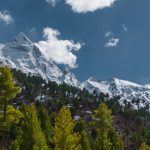
Northern parts of Pakistan experience snow each winter, which lasts from around December to March, as in other regions of the Northern Hemisphere.
Shandur Pass looked like a vast glacier surrounded by lofty snow peaks when it first opened in mid-March.
Places in Pakistan that receive heavy snowfall are located at higher elevations in the lap of the mountains. Amazingly, you don’t need to take the long route to Gilgit Baltistan to see it either.
There are several places within 4 hours of the capital, Islamabad, that receive snowfall, such as Murree, Nathia Gali, Shogran, and Malam Jabba.
To get the finest experience of the winter season in Pakistan, visit:
Most of the locations in Pakistan have four different seasons (Summer, Autumn, Winter, Spring) and every region of the country has seasonal variations.
Here’s a brief information about Pakistan seasons and where to travel during these weather conditions:
Summiting and trekking to the highest lake in Pakistan are only possible during the summer. Some of the highest lakes are:
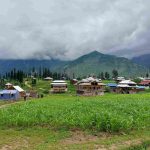
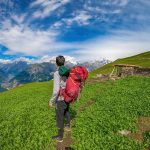
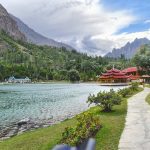
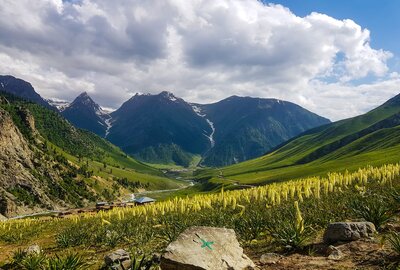
As the climate in Pakistan is so varied from place to place, summer means very different things depending on the weather and location. In northern Pakistan, in the lap of mountainous valleys, it’s the best time to explore all the main attractions. You’ll find good rays of sunshine, and sightseeing tourism will be at its peak in places like Hunza, Naran, Kaghan, Fairy Meadows, and Skardu.
Remember that June and July are peak times for domestic tourism in Pakistan due to summer vacations at educational institutions, which lead to a large share of domestic travel.
It’s still a perfect time in the region, with moderate, chill weather, and most of the alluring tourist attractions are easy to reach. Hotel rates will generally be the highest during this period, though they are significantly lower in September when educational institutions reopen.
Summer is a premium time for trekking and hiking in the lofty mountains of northern Pakistan, with hundreds, if not thousands, of options in the Karakoram and Himalayan ranges.
These mountainous regions are very chilly and lack indoor heating systems due to unreliable electricity and low voltage. For most areas, summer is the best time to visit Gilgit Baltistan, Naran Kaghan, and Swat Kalam. But it’s also the only time to visit the pristine mountains with your families and friends at their best beauty.
In South Pakistan (including parts of southern KPK), summer is the worst time to visit. Temperatures typically exceed 40 degrees, and the beaches of Sindh and Balochistan become too rough for snorkeling and scuba diving.
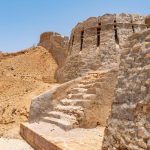
If you’re willing to explore South Pakistan’s historical sites, beaches, and deserts, postpone your trip till the winter wave hits the southern parts.
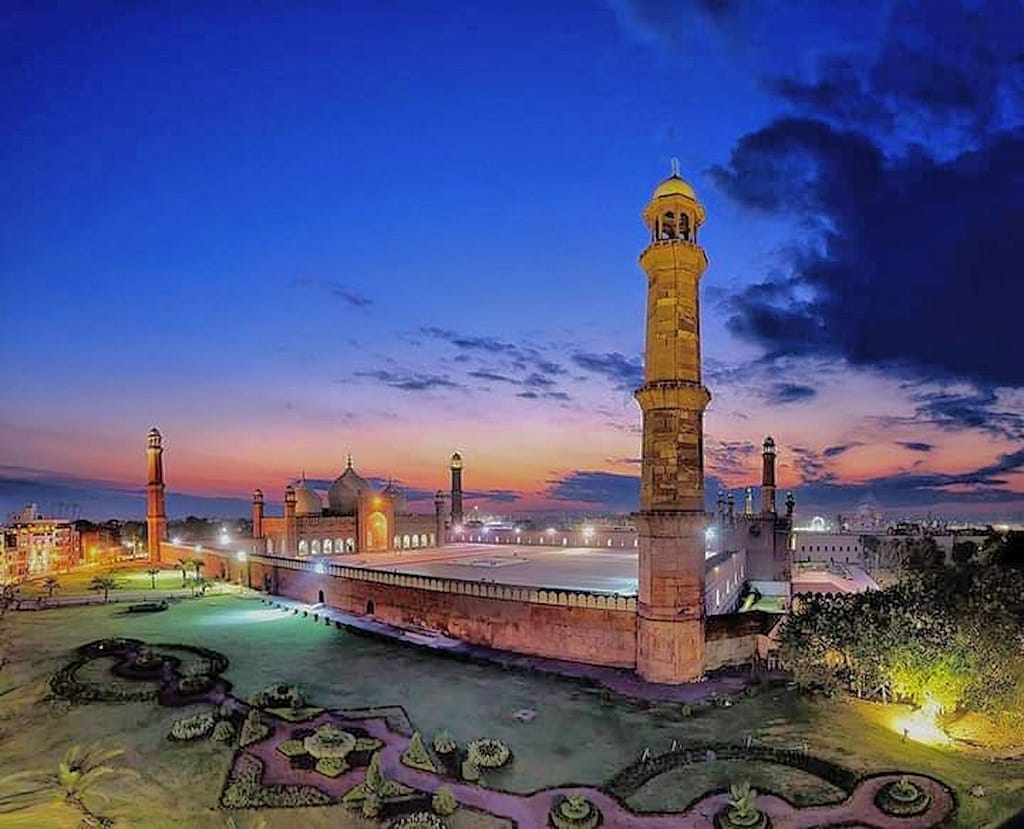
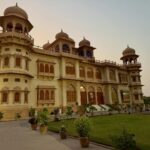
Leaves falling is certainly one of the most pleasing seasons in Pakistan. The weather is sustainable even in Sindh, and it’s when you’ll ultimately be able to relish the cities, such as the many tourist attractions to explore in Lahore, without the feeling of scorching heat and humidity.
While it might be too cold for some of the best mountain treks and hiking trails, Autumn is the best time to visit Pakistan if the reflection of stunning leaves and fall colors lures you. Fall hits the highest mountains and valleys first, then moves to lower areas as cold waves fluctuate.
Practically all of Gilgit Baltistan becomes an exhibition of orange, yellow, and red, with the wonderful Hunza Valley and many districts of Skardu being the best places to explore for lifetime memories. You can also experience some glorious foliage in both the Astore and the Ghizar Valley in the Hindukush Mountain ranges.
Winter is the prime time to explore and enjoy the coastal areas of Southern Pakistan. As beautiful as it is, the winter season in Pakistan is a frosty time to embark on a journey to the northern mountains. Most hotels and guest houses don’t have heating, water can freeze in the pipelines, and electricity can be low due to slow-running rivers and streams.
On the other hand, these are the months of undoubtedly Flawless weather throughout Southern Pakistan. It’s during this period of the year that you can snorkel, scuba dive, swim, and go on a boat ride on Karachi’s beaches and attend local festivals and restaurants in complete climate solace.
Rain is occasional, and most days carry low humidity and moisture. In the day you will feel moderate weather, but at night a little bit cold in coastal areas. While Sindh will give you sub-tropical vibes during a traditionally chilly season, winter weather in Punjab and southern KPK is remarkably colder. You’re sure to roam and wander in warm clothes and a jacket!
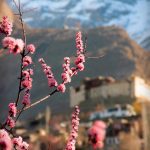
From mid-March to mid-April, the Northern Areas are blanketed in cherry, apricot, and apple blooms that cover the valleys in light pink and white.
The apricots and cherries are an important part of Hunza Valley’s delicious cuisine – and the valley is one of the best places to make memories of this short but enchanted period. However, Pakistan is one of the most affordable countries in Asia; rates for everything are typically even more favorable during spring and winter.
March and April are in the mountainous valleys, with many more sunny days, though rain is more frequent, especially in April. As for May, the weather is less predictable but will generally allow you to head out on some actual treks. However, keep in mind that even famous beginner treks.
Rakaposhi and Nanga Parbat Base Camp rarely became clear until early July. While March is still an ideal time to experience Sindh, Punjab, and Lower KPK, try to head north before April. Though technically still spring, April and May are often the most sizzling months of the year for most of the country.