The best time to visit Naran Kaghan Valley is May to September, when temperatures are pleasant and the valley is in full bloom. During this time, visitors can partake in outdoor activities like hiking, camping, fishing, and rafting. Daytime temperatures typically hover around 20-25°C, whereas nights can be cool, dropping to 5-10°C.
However, the monsoon season from July to September can be unpredictable, and road conditions may become difficult due to landslides and heavy rain. It’s wise to check the weather forecast and road conditions before organizing your Naran Kaghan Tour Packages.
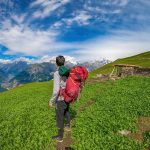
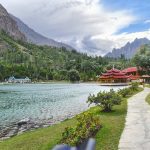
In the summer months, Naran Kaghan Valley enjoys mild to moderately warm temperatures, making it a perfect retreat from the intense heat of the plains. The climate is pleasant, with daytime temperatures varying from 15°C to 25°C, providing a welcome break from the heat. Pristine Saif ul Malook Lake is also open in summer, when the heat melts the glacier and allows access to the Lake. June to August (Summer Season) is the best time to visit Naran Kaghan Shogran with family and kids.
The valley is decorated with lush greenery and blooming flowers, presenting a scenic landscape for outdoor pursuits. You can choose our Lahore to Naran Kaghan Shogran Trips to enjoy the summer vacation in alluring nature.
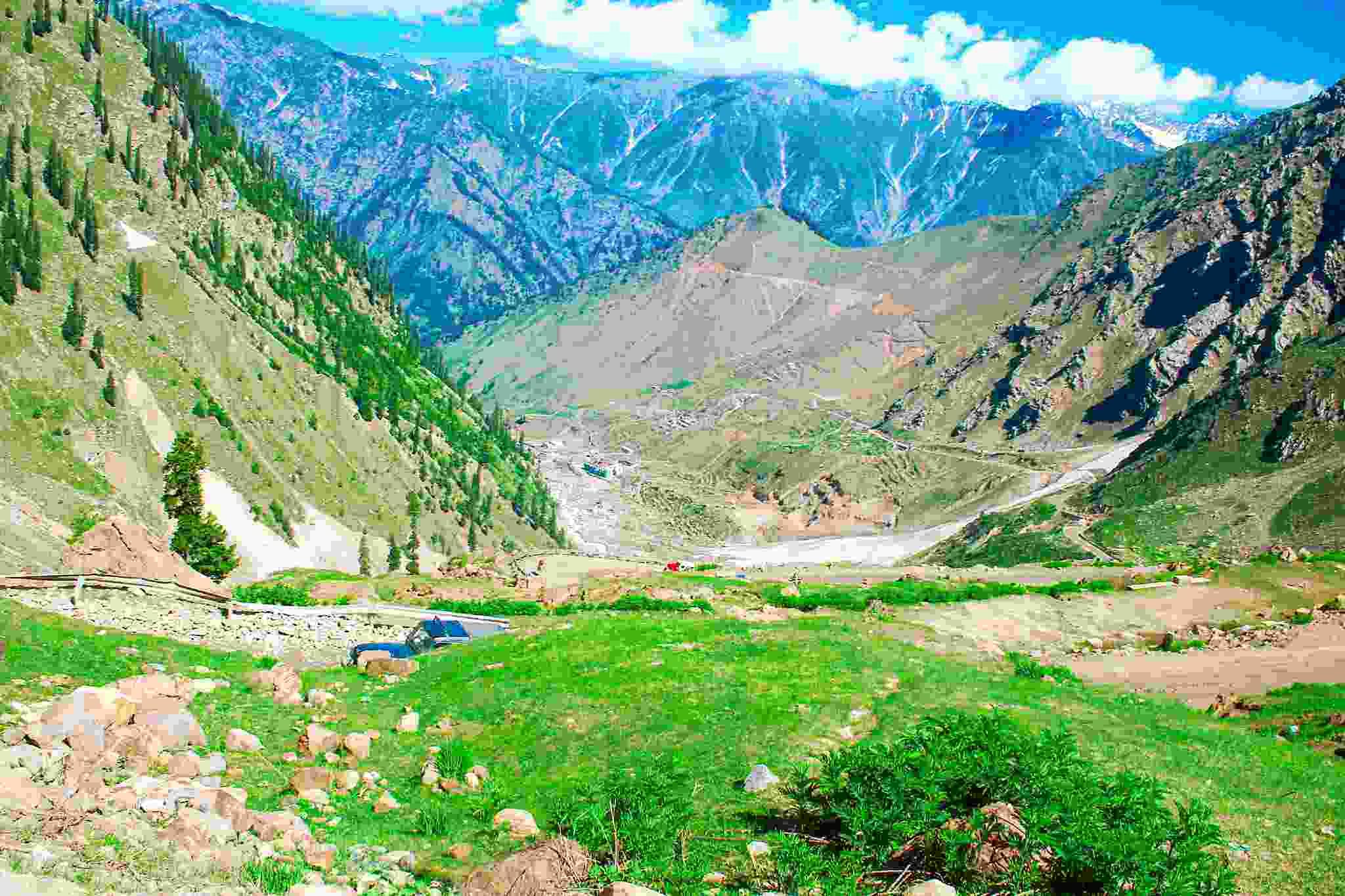
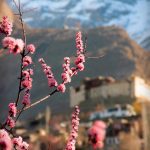
Spring invigorates Naran Kaghan Valley as the snow melts, transforming the region into a vivid tapestry of colors. Spring temperatures are mild, ranging from 10°C to 20°C, ideal for exploring the valley’s lush meadows and sparkling streams. This season also signals the start of the trekking season, drawing adventure lovers to many of the best places to visit in Naran Kaghan.
Additionally, Naran and upper Kaghan valleys open in mid- or early May. Many tourists visit this beautiful valley by taking our Naran Kaghan vacation trips from Islamabad.
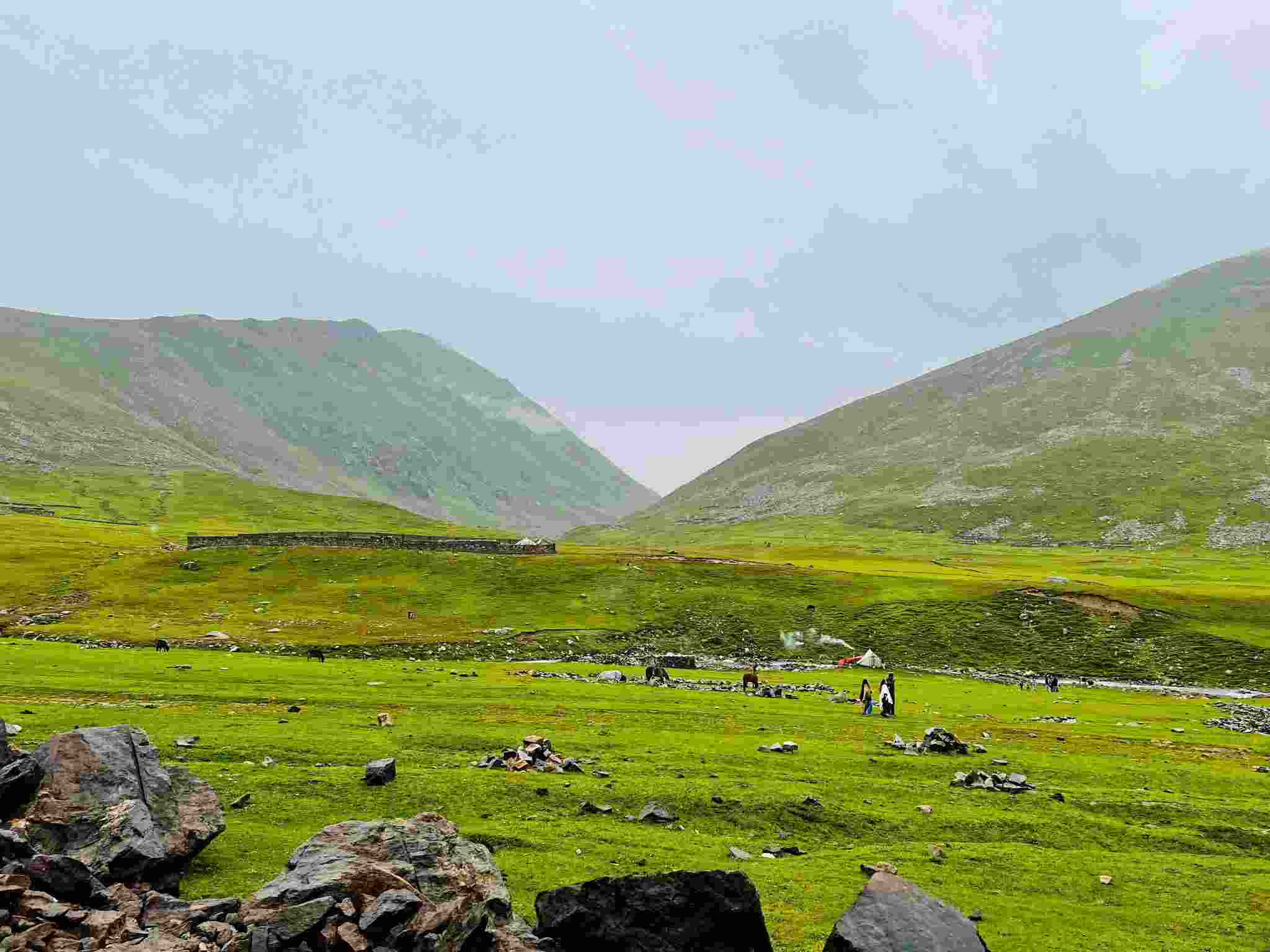
As summer gives way to autumn, Naran Kaghan Valley glows in shades of gold and crimson as the leaves change color, creating a stunning visual display. In autumn, the weather is cool and crisp, with temperatures between 5°C and 15°C, making it ideal for relaxed hikes and nature strolls. The valley’s peaceful atmosphere and breathtaking views make autumn a favorite season for travelers seeking tranquility amid nature’s beauty in Northern Pakistan Tours.
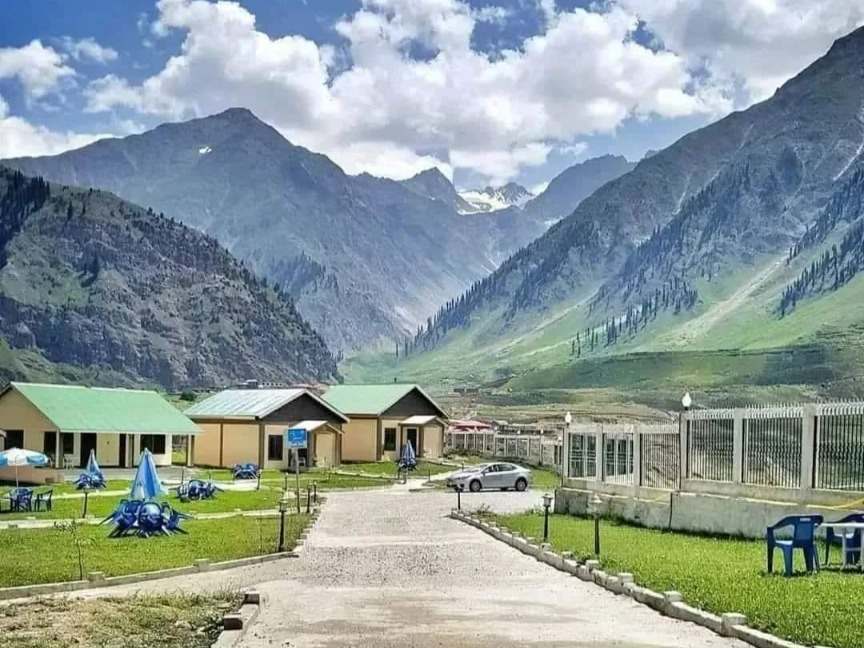
October is the final season in this scenic valley because of its high elevation, and hotel rates are lower than in other months. People from all over Pakistan, including Karachi, select our budget holiday packages from Karachi to enjoy the early snowfall and chilly weather.
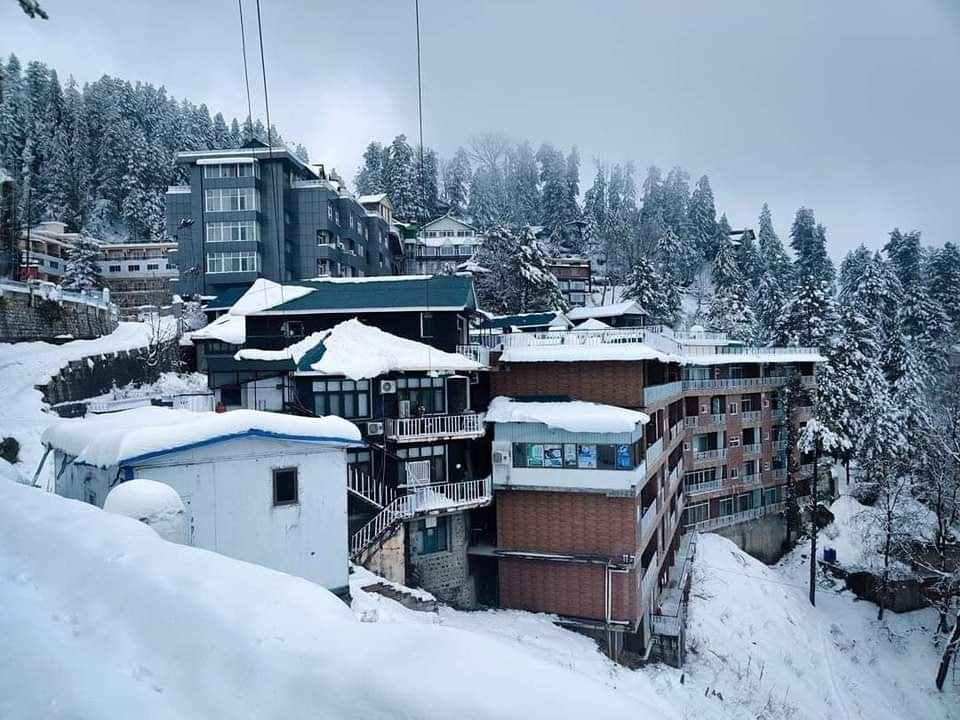
Winter casts a captivating spell over Naran Kaghan Valley, turning it into a snowy wonderland embellished with shimmering snowflakes and snow-covered peaks. Winter temperatures are chilly, often falling below freezing, ranging from -5°C to -10°C. Most of the time, Naran and Upper Kaghan Valley close in November due to heavy snowfall and blocked roads.
Despite the low temperatures, winter in Naran Kaghan Valley offers a distinct charm, presenting opportunities for snow-related activities such as skiing, snowboarding, and making snowmen.
Whether you want the bright colors of spring, the lush greenery of summer, the golden shades of autumn, or the untouched beauty of winter, Naran Kaghan Valley guarantees an unforgettable experience surrounded by nature’s bounty year-round with our Naran Kaghan Holidays.
The weather conditions in Naran Kaghan vary throughout the seasons. As the seasons change, the weather does too. Spring follows winter, marking a transition from cold temperatures to warmer, drier conditions.
Starting in February, the snow begins to melt, and temperatures gradually rise. Then summer arrives, bringing abundant greenery to the area due to favorable weather conditions.
Next, autumn sets in, showcasing the beautiful colors of leaves and a decrease in temperature as it approaches freezing.
Naran Kaghan always wears the colors of the natural scenery in every month.
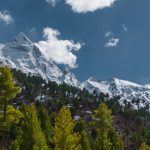
Finally, winter covers Naran Kaghan in snow, with snow-capped peaks. However, weather conditions vary by season.
The best time to visit Naran Kaghan is from April to May, when the melting snow reveals vibrant green landscapes that attract tourists from around the globe.
From June to August, the summer and monsoon seasons bring a significant influx of visitors who enjoy the pleasant temperatures.
September marks the beginning of autumn, when temperatures cool gradually and the leaves turn shades of yellow, red, and blue, transforming the mountain landscape.
In December, winter arrives, and heavy snowfall in Naran Kaghan halts most activities. The primary routes are often closed, and locals tend to stay indoors.
Naran Kaghan provides a range of indoor and outdoor activities throughout the seasons. The area offers hiking, boating, trekking, photography, and skiing at different times of the year. Here are some activities available across the seasons:
Naran Kaghan offers numerous outdoor opportunities for hiking, trekking, and enjoying the valley’s lush green scenery.
The region offers pleasant weather for outdoor activities like boating and fishing.
Vibrant wildflowers and changing leaf colors draw visitors eager to capture stunning photographs of the breathtaking sights.
Only Shogran and some parts of Kaghan Valley offer indoor activities and playful snowball fights, while still letting visitors experience the charm of snowfall during the season.
The Naran Kaghan Valley is a treasure trove of natural beauty, with a range of attractions for nature enthusiasts, adventure seekers, and culture lovers.
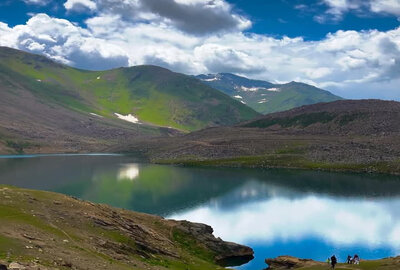
Lake Saif-ul-Malook is arguably the most renowned destination, celebrated for its stunning emerald-green waters encircled by snow-covered mountains. Reached via jeep or a moderate hike, this lake is rich in local folklore and ideal for boating and photography.
Lulusar Lake, situated higher in the valley, is another tranquil alpine lake famous for its crystal-clear waters and magnificent mountain scenery. It serves as the source of the Kunhar River and is perfect for picnicking and nature walks.
Babusar Top is a high mountain pass that provides breathtaking views of the valley and links Naran with Gilgit-Baltistan. The journey to Babusar Pass is a scenic experience in itself, showcasing stunning vistas at every bend.
For those who love trekking, Ansoo Lake, with a teardrop shape, presents a demanding yet fulfilling adventure. The route winds through lush forests and alpine meadows, attracting hikers seeking both excitement and solitude. The Kunhar River, which flows through the valley, offers chances for trout fishing and white-water rafting, adding a thrilling element to the peaceful landscape.
Other noteworthy locations include the charming village of Shogran and the alpine meadows of Jalkhad and Payee, each presenting distinct landscapes and tranquil retreats into nature.
Renowned for its captivating emerald-green waters, Lake Saif-ul-Malook is set against the backdrop of majestic snow-capped Malika-e-Parbat Peak. A thrilling one-hour jeep ride from the main town of Naran brings you to this iconic destination.
Serving as a stunning gateway into the valley, Babusar Pass sits nearly 14,000 feet above sea level and offers breathtaking views of the surrounding landscape. The vistas from this high-altitude pass are truly unforgettable.
You can reach this enchanting tear-shaped lake by trekking from Saif-ul-Malook in Naran. The journey to explore this wild alpine gem typically takes about 3 to 4 days.
As one of the largest natural lakes in the Hazara region, Lulusar Lake is known for its pristine, crystal-clear waters. Visitors can easily stop here while heading toward Babusar Top or traveling within Naran Valley.
Stretching out as a vast, green expanse, Lalazar Plateau is renowned for its lush meadows and striking natural scenery. It is approximately a 1.5-hour drive from Battakundi, with a round-trip jeep fare of around Rs 5000.
Known as the “White Lake,” Dudipatsar is famous for its enchanting milky-white glacial waters. To reach this picturesque location, take a 4- to 5-day moderate trek from Upper Kaghan Valley.
The journey to Naran itself is an adventure, winding through lush green mountains and alongside the Kunhar River, with charming waterfalls, including the breathtaking Sohni Waterfall, along the way.
The Naran-Kaghan region boasts stunning glaciers, clear glacial rivers, and wild berry bushes, creating a rich, diverse natural environment that captivates all who visit.
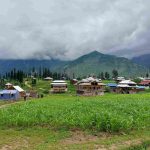
This picturesque valley features stunning alpine meadows dotted with traditional huts, adding to its rustic charm and inviting travelers to bask in its serene beauty.

Discover the ever-changing climate of Naran Kaghan Valley, a captivating fusion of natural beauty and diverse weather patterns of Naran Kaghan. Situated amid the Himalayan range, this enchanting valley exhibits a variety of weather conditions throughout the year.
| Months | High / Low (°C ) | Climate Condition | Accessibility |
|---|---|---|---|
| January | -10° / -15° | Snowfall | Totally Closed |
| February | -7° / -12° | Snowy Areas | Totally Closed |
| March | -3° / -9° | Partially Snowy | Totally Closed |
| April | 3° / -5° | Spring Season | Totally Closed |
| May | 5° / 3° | Greenery | Partially Open |
| June | 13° / 8° | Sunny - Green | Open to Visit |
| July | 16° / 12° | Rainy | Open to Visit |
| August | 15° / 11° | Lush Green | Open to Visit |
| September | 12° / 8° | Partially Green | Open to Visit |
| October | 5° / 0° | Autumn Season | Open to Visit |
| November | -3° / -8° | Too Cold to Visit | Partially Closed |
| December | -7° / -12° | Partially Snowy | Totally Closed |
The summer months from May to September beckon you to Naran, where the weather embraces you with pleasant temperatures ranging from 10-20°C. It’s the perfect time to embark on outdoor adventures and create unforgettable memories in this beautiful destination.
The ideal time to explore Shogran and Siri Paye is during the summer months of June to August, when daytime temperatures hover around a pleasant 20°C.
The best months to visit Naran Kaghan are between May and September. In the summer, you can enjoy the stunning views of snow-capped mountains, vibrant green scenery, and enjoyable weather.
You should pack regular clothes for daytime and include a sweater or hoodie for nighttime, along with woolen socks and pants.
The best period to experience the chilly weather in Naran Kaghan for couples and adventure enthusiasts is from mid-August to the end of October. Similarly, winter brings freezing conditions, frequently dropping below 0°C.
Snowfall typically begins in the Naran Kaghan Valley in early November and lasts until the end of February, causing all roads to close due to heavy snowfall.
From early June to mid-October, all picnic spots, including Lulusar Lake, Babusar Top, Lalazar Meadows, and Saif-ul-Malook Lake, remain accessible.