Northern Pakistan is one of the world’s last great travel frontiers, where the Himalayas, Karakoram, and Hindu Kush mountain ranges converge to create landscapes so stunning they seem almost unreal. From the turquoise waters of Attabad Lake to the snow-capped peaks surrounding Fairy Meadows, Northern Pakistan’s tourist attractions offer experiences that rival—and often surpass—those available anywhere else on Earth.
Whether you’re an adventure seeker planning to trek to the K2 base camp, a culture enthusiast eager to explore centuries-old traditions, a photographer in search of the perfect mountain shot, or a family looking for serene retreats amidst nature’s splendor, the best places to visit in Northern Pakistan promise unforgettable memories that will last a lifetime. Select our customized tours to Pakistan, which include all-inclusive travel services.
This comprehensive guide highlights the top 20 must-visit destinations in Northern Pakistan for 2026, complete with practical travel tips, the best times to visit, and expert insights to help you plan your ultimate northern adventure.
Hunza Valley is Pakistan’s most famous tourist destination for compelling reasons. This mountain paradise, located along the ancient Silk Road, offers a perfect blend of natural beauty, rich history, and warm hospitality. The valley’s stunning landscapes change dramatically with the seasons: spring brings vibrant cherry blossoms, summer boasts lush green terraced fields, and autumn transforms the landscape into a golden spectacle.
Key Attractions
Facts and Figures
Travel Tip: Base yourself in Karimabad for 3-4 days to fully explore the treasures of Hunza Valley without feeling rushed.
Ready to experience the magic of Hunza Valley? Visit TripMaker.pk for expertly crafted Hunza tour packages that cover all major attractions, include comfortable accommodations, feature experienced guides, and ensure seamless logistics.
Skardu serves as the base camp for treks to K2, the world’s second-highest mountain. However, you don’t need to be a mountaineer to appreciate this region’s stunning beauty. Pristine lakes reflect snow-capped peaks, ancient forts tell historical tales, and valleys showcase nature’s artistry.
Key Attractions:
Quick Info
German climbers dubbed this alpine paradise “märchenwiese” (fairy tale meadow). At the base of Nanga Parbat (8,126 meters), the world’s ninth-highest peak, nicknamed “Killer Mountain,” Fairy Meadows offers one of Pakistan’s most dramatic mountain views.
How to Reach
The adventure begins with a thrilling jeep ride on one of the world’s most dangerous roads, followed by a scenic 3-4 hour trek through pine forests and meadows. While challenging, the journey itself becomes a memorable experience.
Camping under star-filled skies, with Nanga Parbat’s massive south face towering overhead, creates a spiritual connection with nature that few places can match. The sunrise, illuminating the mountain in golden-pink hues, justifies every challenging step.
Quick info
Pro Tip: Book accommodations (cottages or campsites) in advance during peak season (June to August), as options fill quickly.
Naran and Kaghan Valley is one of Northern Pakistan’s most accessible tourist destinations, offering spectacular alpine scenery without requiring extreme trekking. The 150-kilometer valley follows the Kunhar River and passes through pine forests, meadows, and dramatic mountain landscapes.
Key Attractions:
Things to do: Hike, ride a horse, fish for trout, go boating, camp, and fully immerse yourself in the mountain atmosphere.
Quick info
If you’re planning a Naran and Kaghan adventure, TripMaker.pk offers Naran tour packages that include travel, comfortable hotels, and optional excursions to Babusar Pass with experienced mountain drivers.
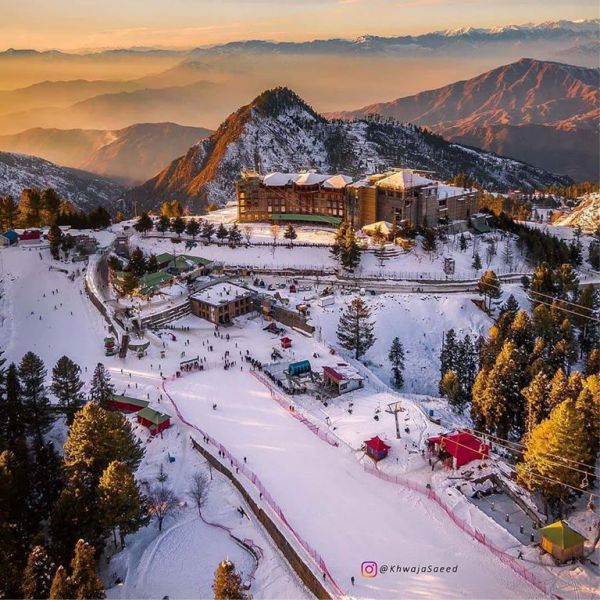
Once favored by the British as “the Switzerland of the East,” the Swat Valley has regained its status as one of Pakistan’s premier tourist destinations after overcoming years of security challenges. The valley’s lush forests, crystal-clear rivers, snow-capped peaks, and rich Buddhist heritage offer a wide range of attractions.
Key Attractions
Cultural Significance
Swat’s ancient Buddhist heritage, evident in numerous archaeological sites, adds historical depth to its natural beauty.
Quick info
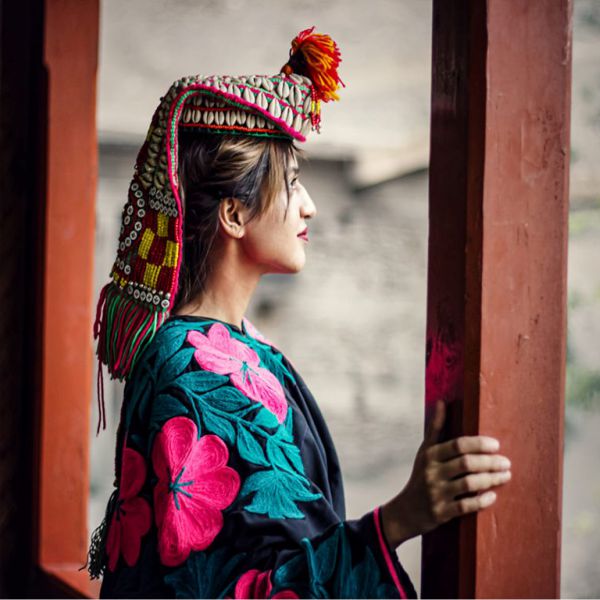
Chitral is unique for its Kalash Valley, home to the Kalash people, one of Asia’s smallest and most distinctive indigenous communities. Their pre-Islamic animist traditions, vibrant festivals, and unique culture offer experiences unlike any other in Pakistan.
Key Attractions
Cultural Festivals
Chilam Joshi (Spring), Uchao (Summer), and Choimus (Winter)—colorful celebrations featuring traditional dances, music, and rituals.
Respect: When visiting the Kalash valleys, dress modestly, ask permission before photographing people, and respect this unique culture’s traditions and spaces.
Quick info
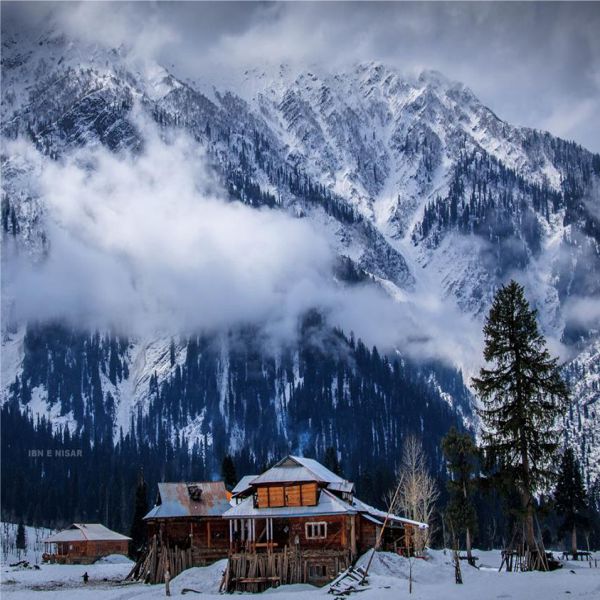
Neelum Valley runs alongside the Neelum River for 144 kilometers and boasts Kashmir’s most spectacular scenery. Named after the river’s blue-green color, the landscape features emerald meadows, sapphire skies, and pristine forests.
Key Attractions
Adventure: The valley provides excellent opportunities for trekking, trout fishing, and exploration for those seeking active experiences.
Quick info
Deosai is one of the world’s highest plateaus, where the landscape unfolds into endless rolling golden-brown meadows dotted with wildflowers and glacial streams. The name “Deosai” translates to “Land of Giants,” reflecting both the landscape’s immense scale and the Himalayan brown bears that inhabit these heights.
Wildlife: The park is home to approximately 300 Himalayan brown bears, along with Himalayan ibex, red foxes, golden marmots, and numerous bird species, including golden eagles.
Sheosar Lake: Often considered the park’s crown jewel, this pristine alpine lake mirrors the surrounding mountains in its impossibly clear waters.
Things to Remember
Deosai has no permanent accommodation; visitors must either camp or take day trips from Skardu or Astore. Carry warm layers, as the weather can change rapidly at this altitude.
Quick info
Attabad Lake emerged from a tragic event in 2010, when a massive landslide blocked the Hunza River. Since then, it has become one of Pakistan’s most photographed destinations. The 21-kilometer-long reservoir is renowned for its vivid turquoise color, produced by glacial silt, which creates a stunning contrast with the surrounding barren mountains.
Quick info
Khunjerab Pass is the highest paved border crossing, connecting Pakistan and China via the Karakoram Highway. The journey to this high-altitude Wonder showcases increasingly dramatic landscapes, offering spectacular mountain views and opportunities for wildlife sightings.
What to See
Quick info
Rama Meadows present stunning views of Nanga Parbat from a different perspective than Fairy Meadows. They offer easier access with beautiful camping opportunities surrounded by pine forests. The meadows serve as a base for several trekking routes and offer breathtaking sunset views over Nanga Parbat.
Rama Lake
This beautiful alpine lake requires a 2-3 hour trek from the meadows and is surrounded by wildflowers in the summer.
Quick info
Naltar Valley is renowned for its three differently colored lakes, which vary in mineral composition. This stunning valley offers summer trekking and winter skiing, with dense pine forests and a dramatic mountain backdrop that contribute to its year-round beauty.
Unique Feature: Each of Naltar’s three lakes shows a distinct color—one green, another blue, and the third a beautiful turquoise—making it a natural wonder photographers and nature lovers find irresistible.
Quick info
Shigar Valley is the traditional gateway to K2 expeditions, but it offers rich cultural experiences even for non-mountaineers. The restored Shigar Fort, now a heritage hotel, showcases traditional Balti architecture and warm hospitality.
Cultural Experiences
Visitors can explore ancient, intricate mosque woodwork, visit traditional Balti homes, and see centuries-old irrigation systems still in use.
Quick info
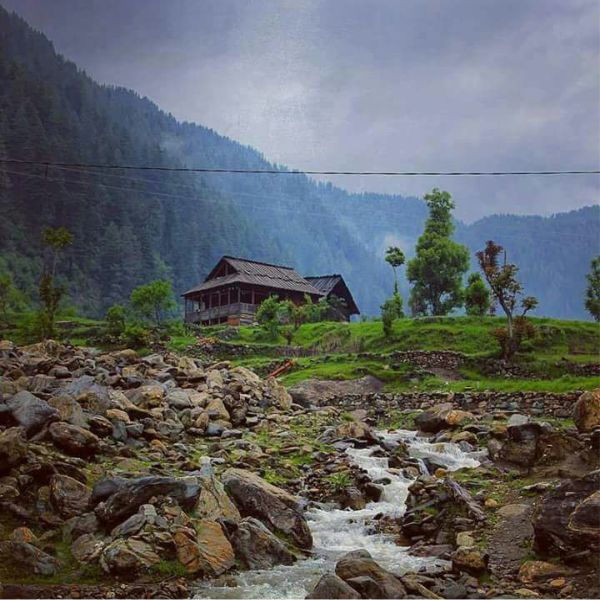
Despite its stunning landscapes that rival more famous destinations, Kumrat Valley remains relatively undiscovered. This valley features lush deodar forests, crystal-clear rivers, and challenging treks to high-altitude lakes, offering an authentic mountain experience.
A challenging 2-3-day trek leads to a breathtaking glacial lake at over 4,000 meters, suitable for serious trekkers.
Quick info
Less dramatic than the northern valleys, Murree is Pakistan’s most accessible hill station, just 2 hours from Islamabad. The town boasts a colonial-era charm, pleasant summer weather, winter snowfall, and a range of family-friendly activities.
This area features Pakistan’s longest chairlift ride, offering stunning aerial views of pine forests and the surrounding hills.
Quick info
Astore Valley offers a southern approach to Nanga Parbat and access to its Rupal Face, the world’s highest mountain face, rising 4,600 meters from base to summit. The valley offers a quieter experience than more well-known destinations.
Quick info
Upper Hunza, also known as Gojal, offers more remote, adventurous experiences than Lower Hunza. The famous Hussaini Suspension Bridge, known as one of the world’s most dangerous bridges, attracts thrill-seekers, while the dramatic mountain scenery of the Passu Peaks captivates photographers.
Adventure Activities
Trek to Passu Glacier, cross challenging bridges, explore Wakhi villages, and immerse yourself in authentic mountain culture.
Quick info
Minimarg offers true off-the-beaten-path travel in northern Pakistan, characterized by minimal tourist infrastructure and spectacular scenery. Travelers seeking solitude and authentic mountain experiences will find Minimarg’s remote beauty worth the challenging journey.
How to Reach
Requires 4×4 vehicles and sometimes special permissions; it’s best to book through experienced tour operators.
Quick info
While technically part of Skardu attractions, Shangrila deserves special mention as Pakistan’s most famous resort. The distinctive red-roofed restaurant, built on an old airplane, offers Instagram-worthy photos, while the surrounding lake and gardens provide peaceful retreats.
Accommodation
Stay at the resort for the full Shangrila experience, with comfortable rooms overlooking the lake and mountains.
Quick info
The Karakoram Highway (KKH) is not just a route connecting destinations; it is a tourist attraction. This engineering marvel, built through some of Earth’s most challenging terrain, offers spectacular scenery at every turn, including mountain views, river gorges, glaciers, and diverse landscapes.
Sightseeing Stopovers: Besham, Chilas (Indus River viewpoints), Rakaposhi viewpoint, Gilgit, various spots in Hunza, leading to Khunjerab Pass.
Travel Tip: Break the journey with overnight stops to avoid fatigue and fully enjoy the scenery; rushing through can diminish the experience.
Peak season, offering the best weather, full accessibility, and all facilities in operation. Expect to encounter crowds at popular destinations.
This season offers breathtaking cherry blossoms in Hunza, blooming wildflowers, pleasant temperatures, and fewer tourists than in summer.
Enjoy stunning fall colors, clear skies, and comfortable temperatures.
Many high-altitude areas become inaccessible during winter. However, lower valleys like Swat and Murree offer beautiful snow experiences.