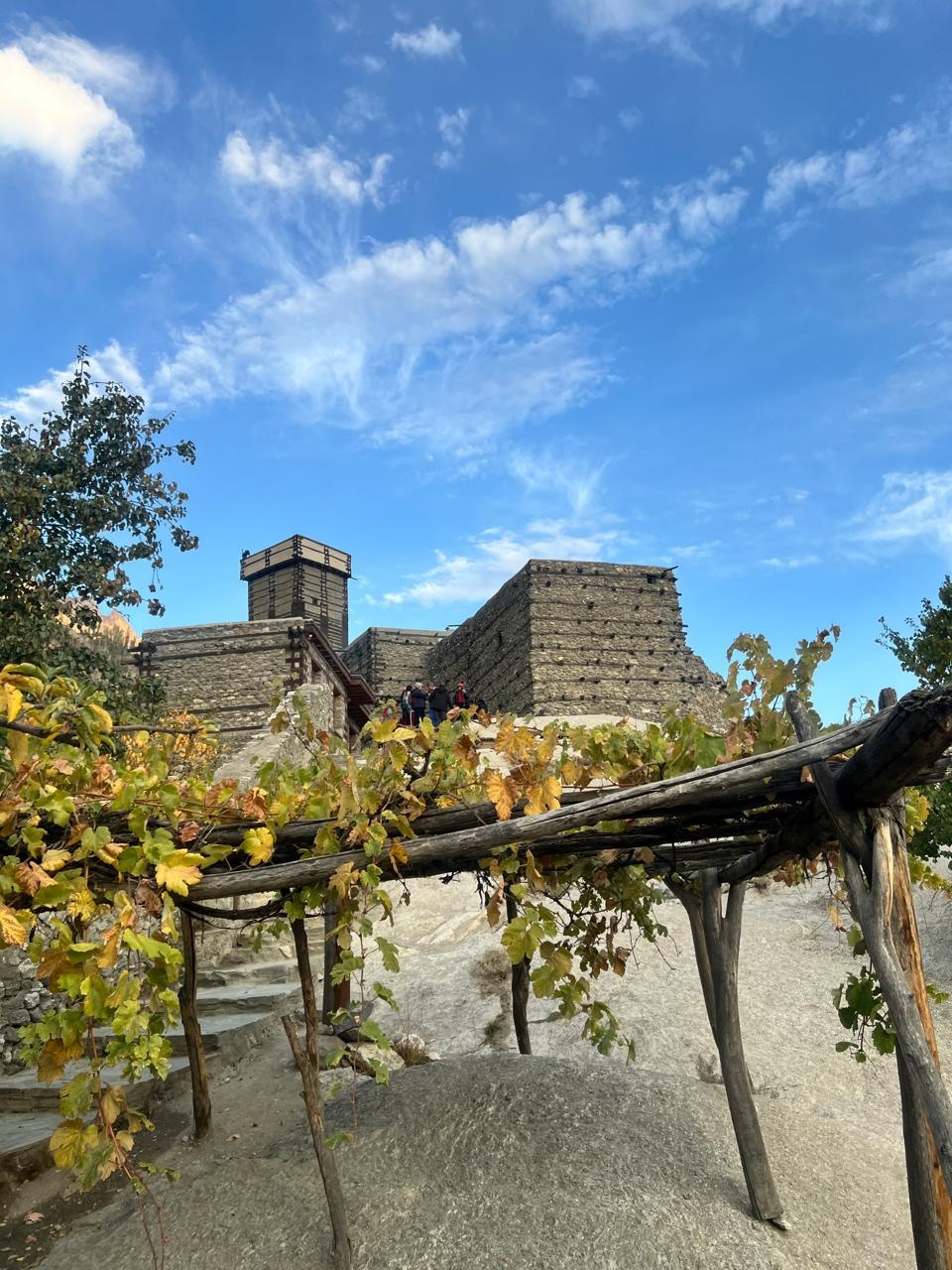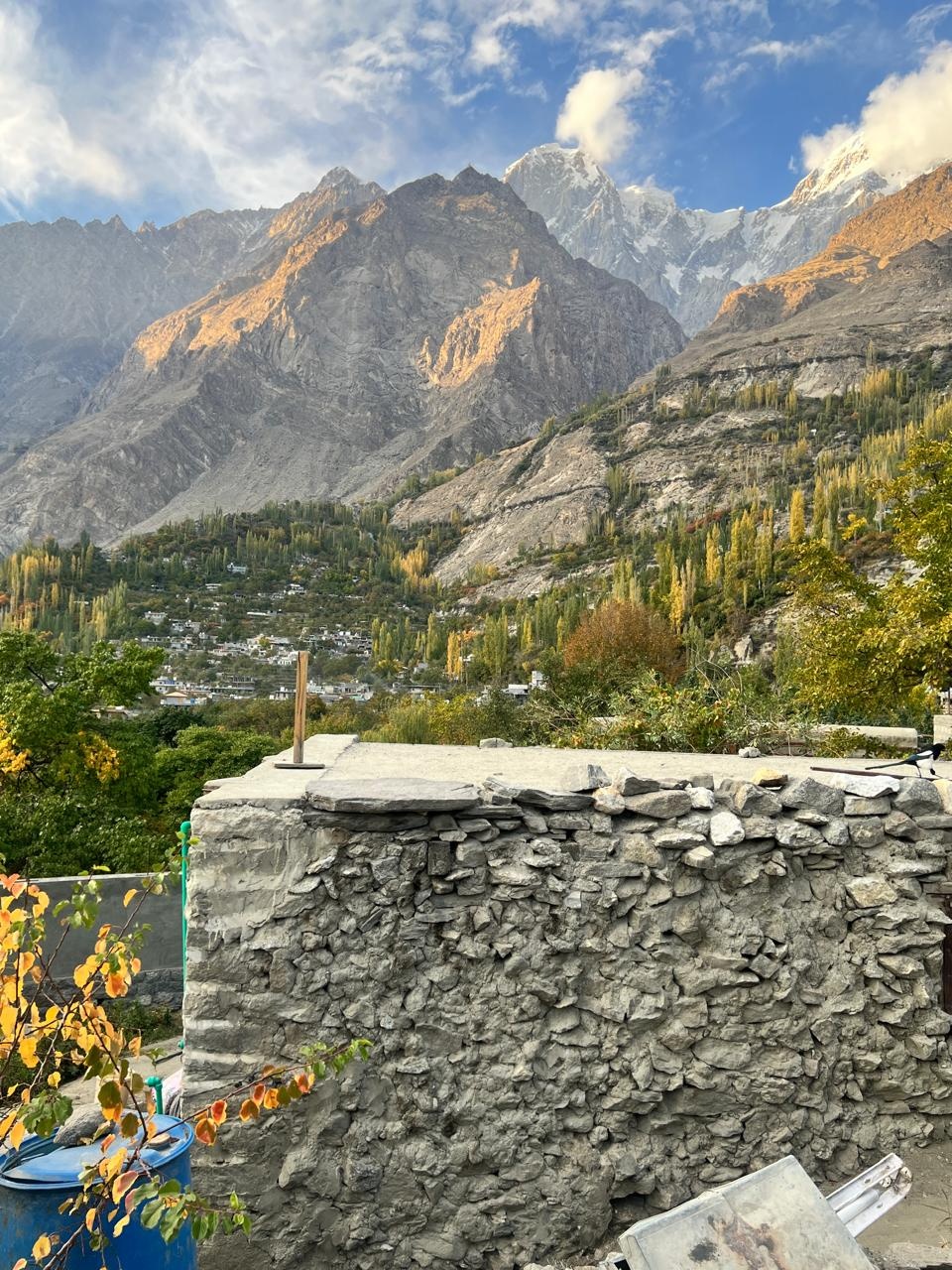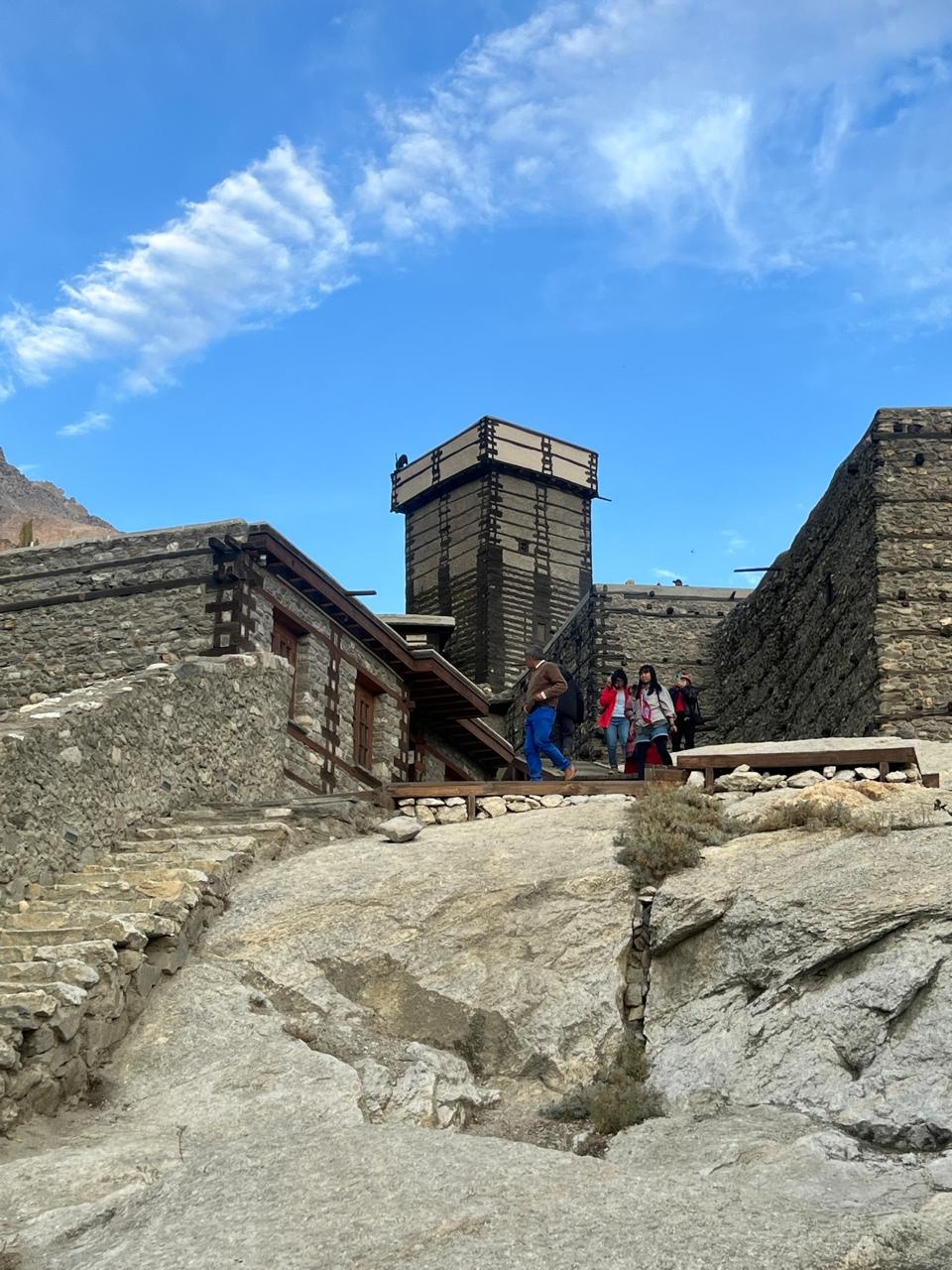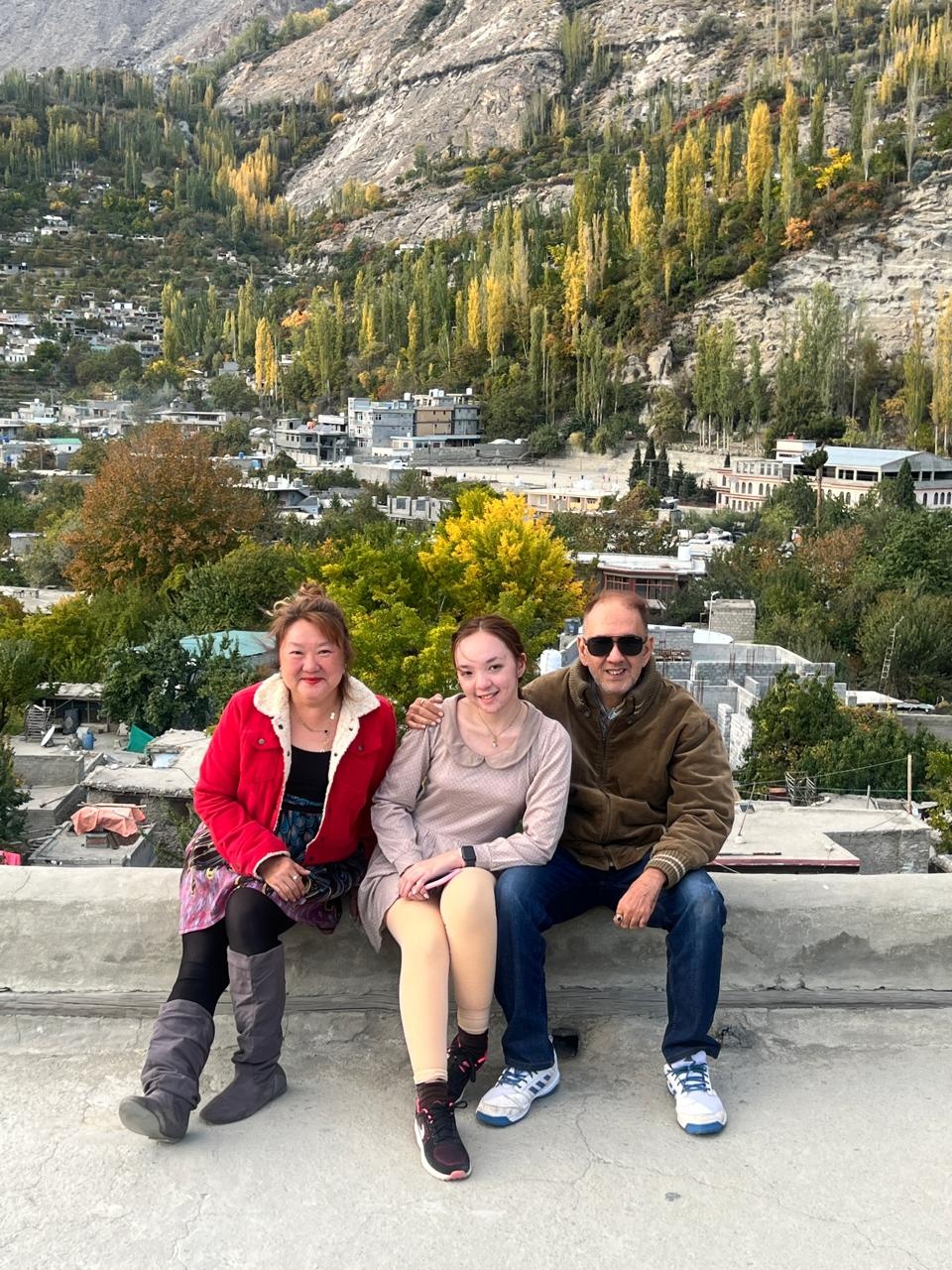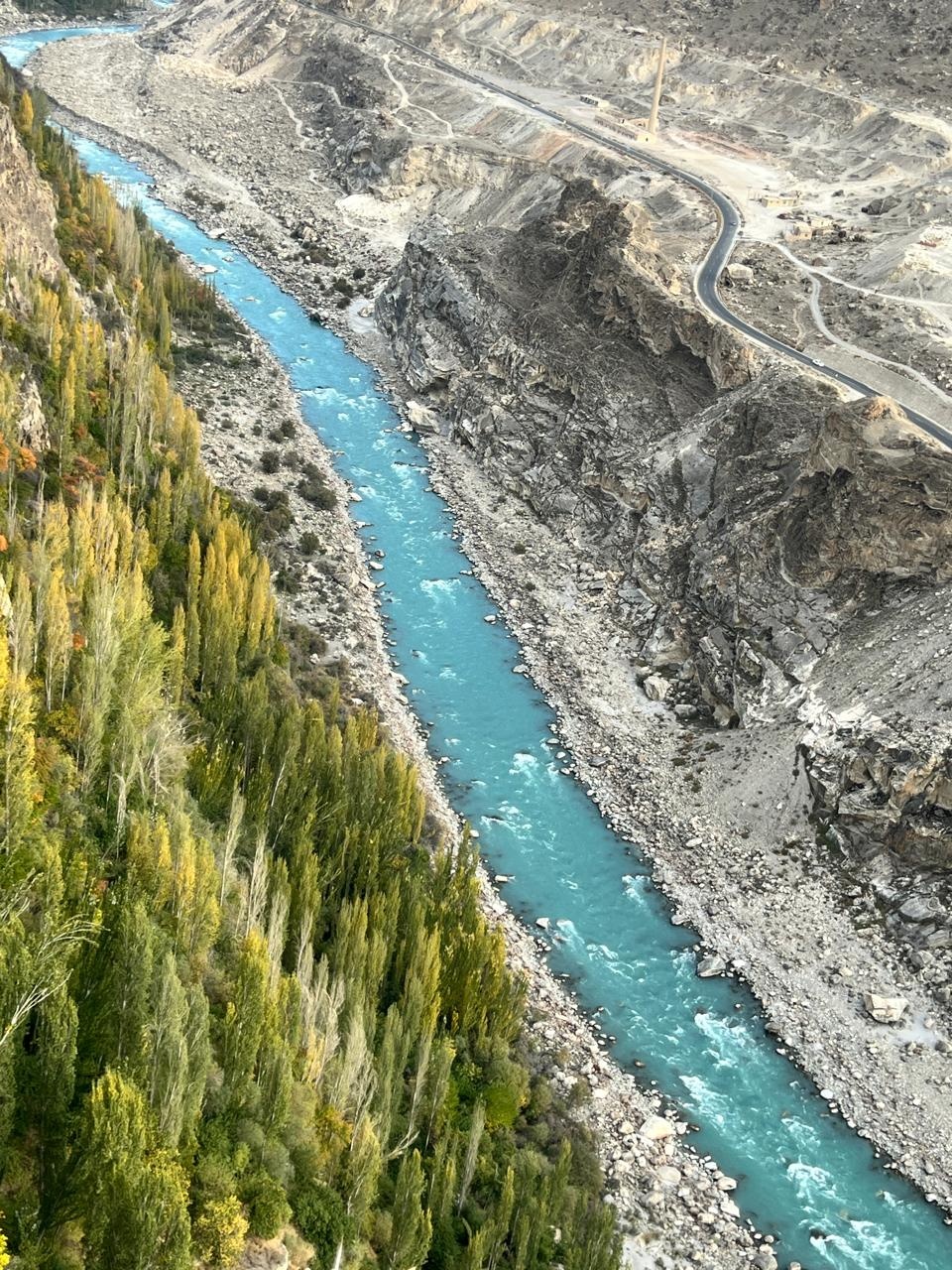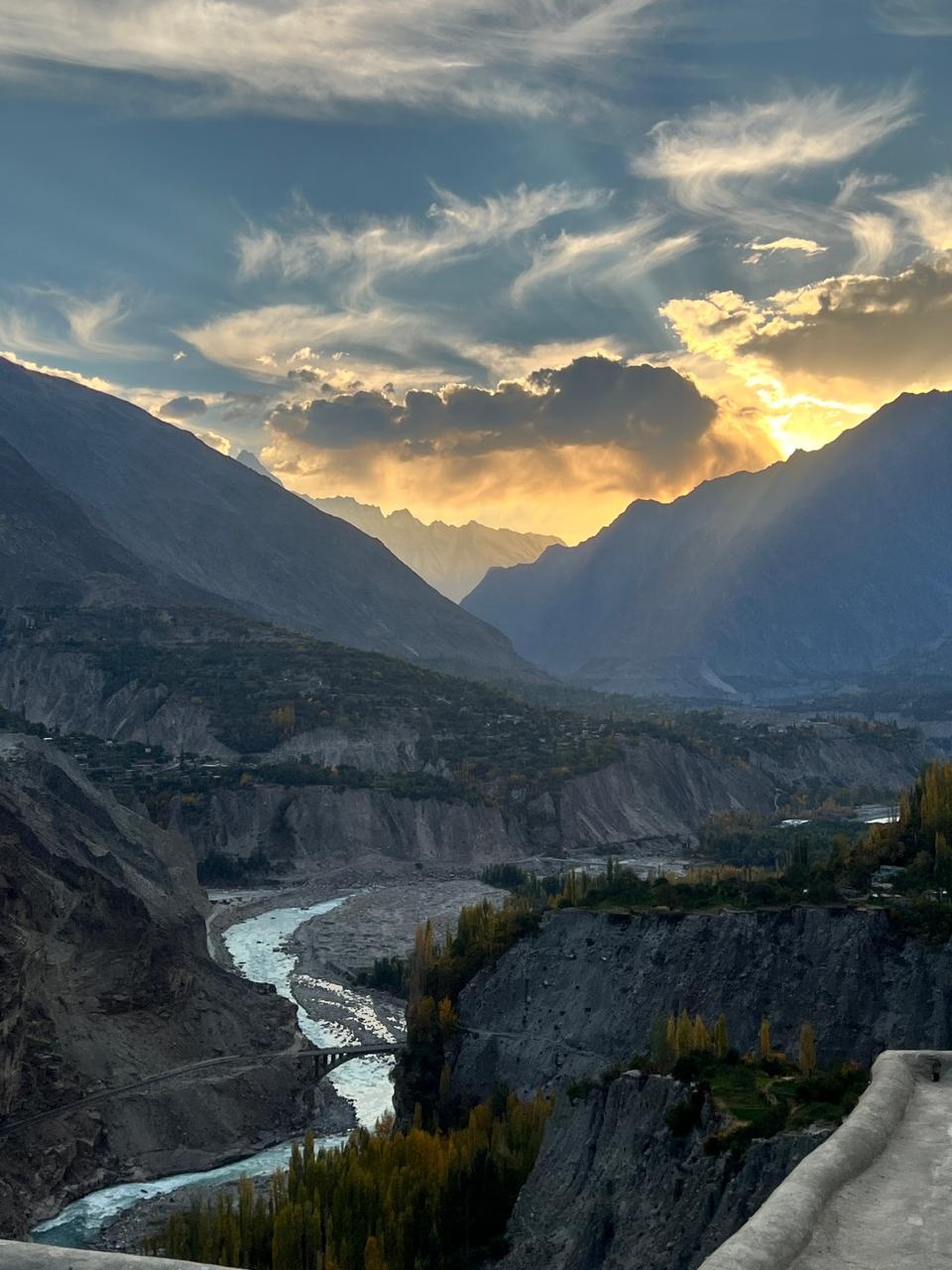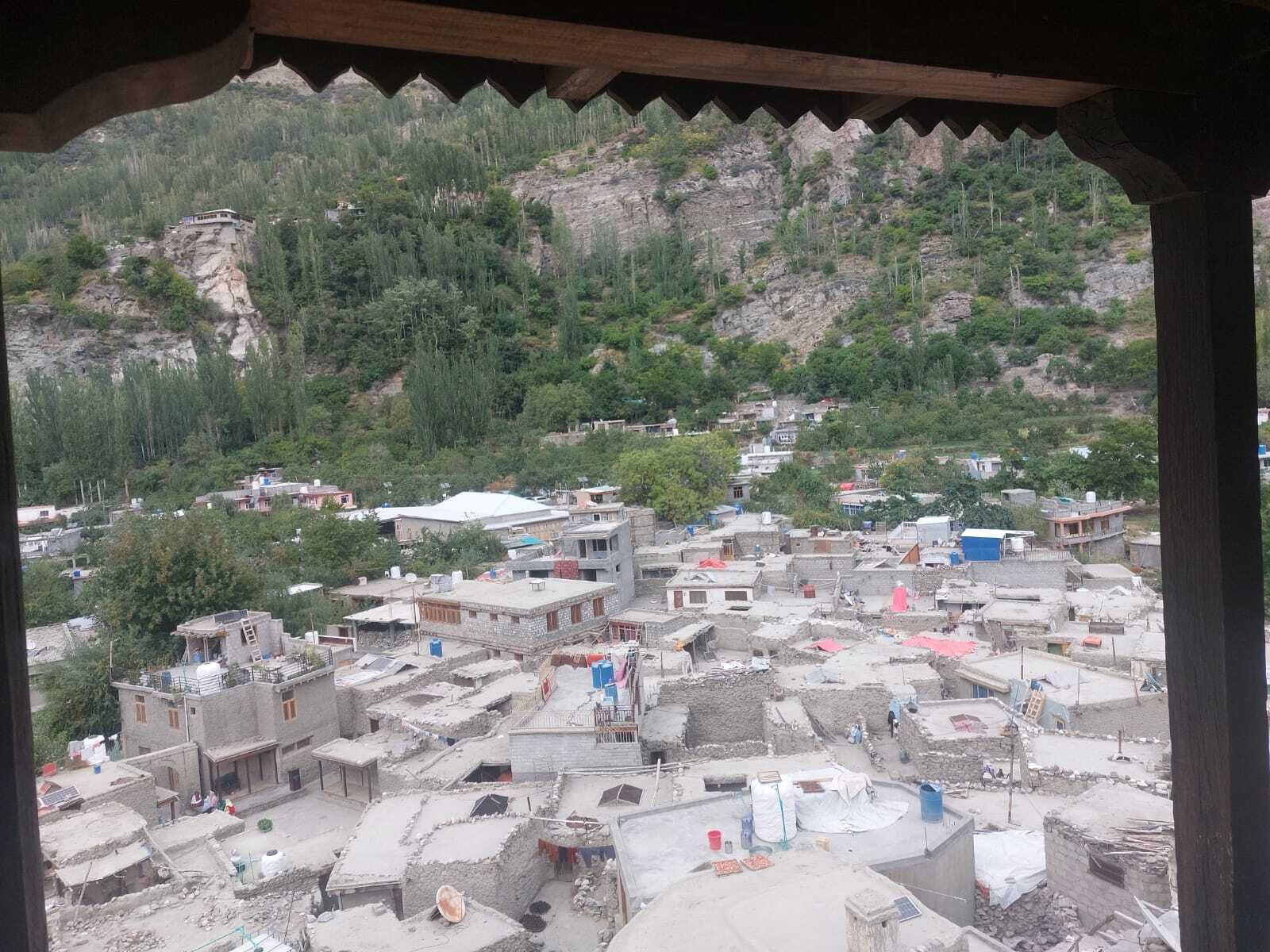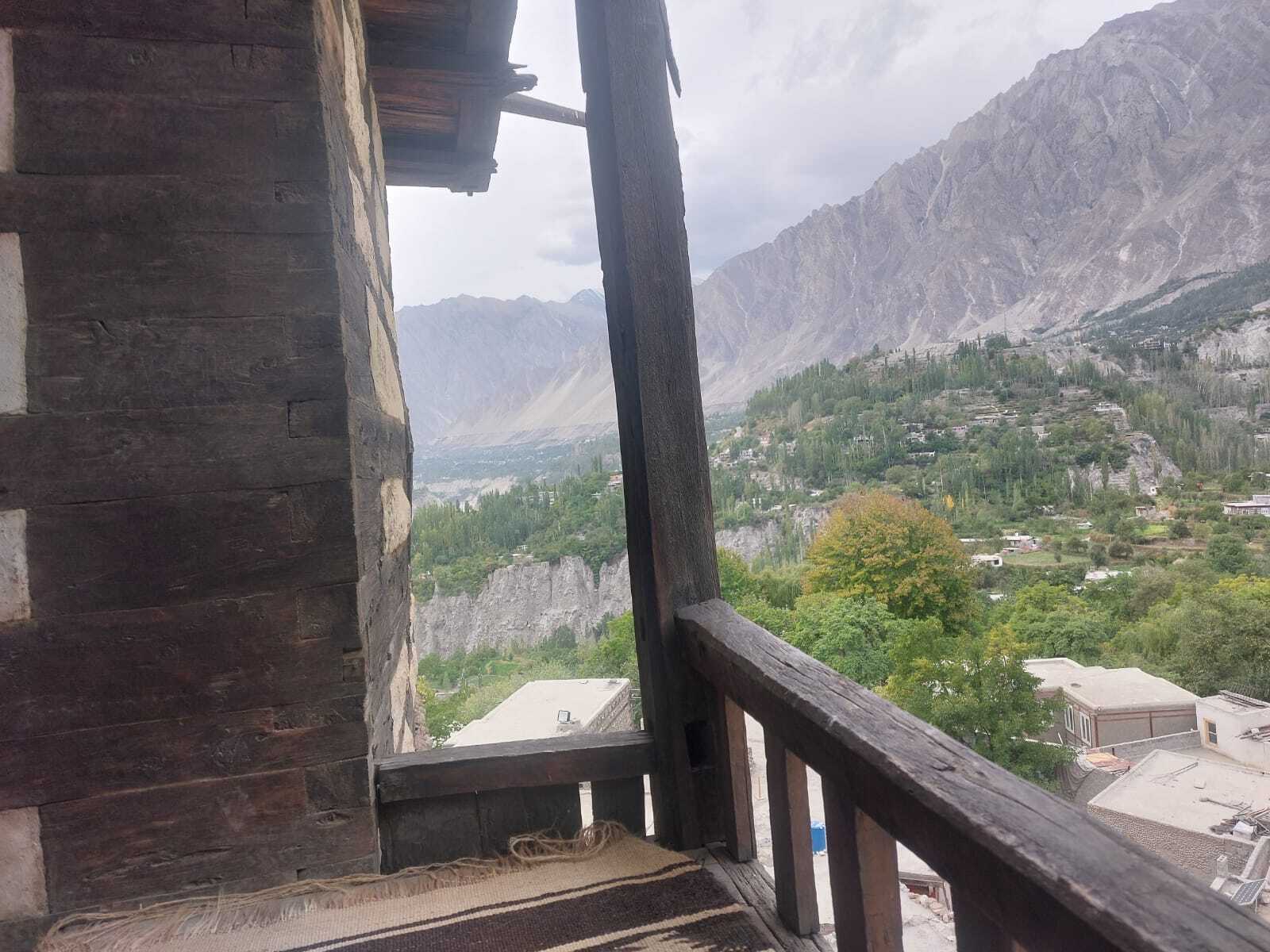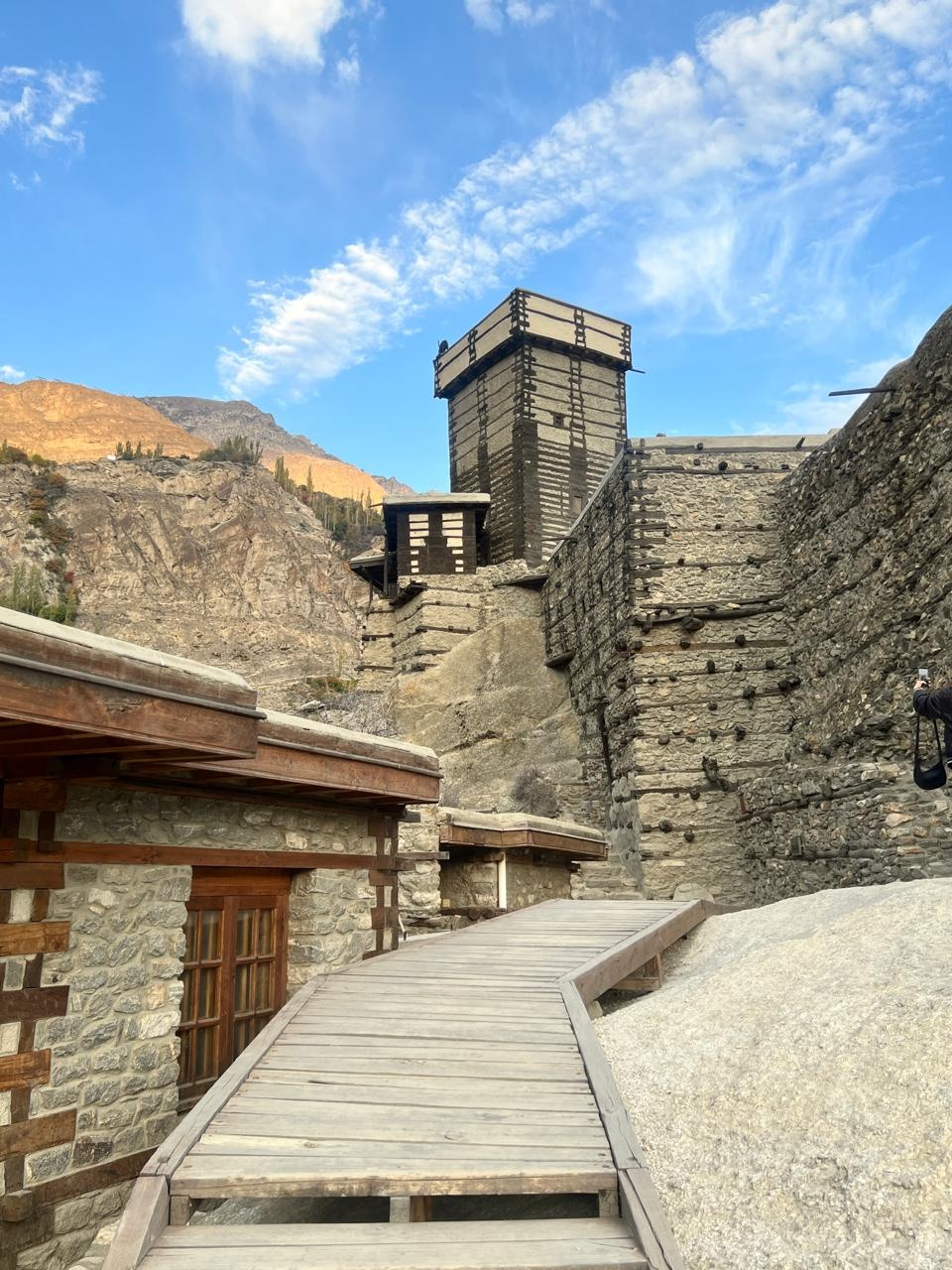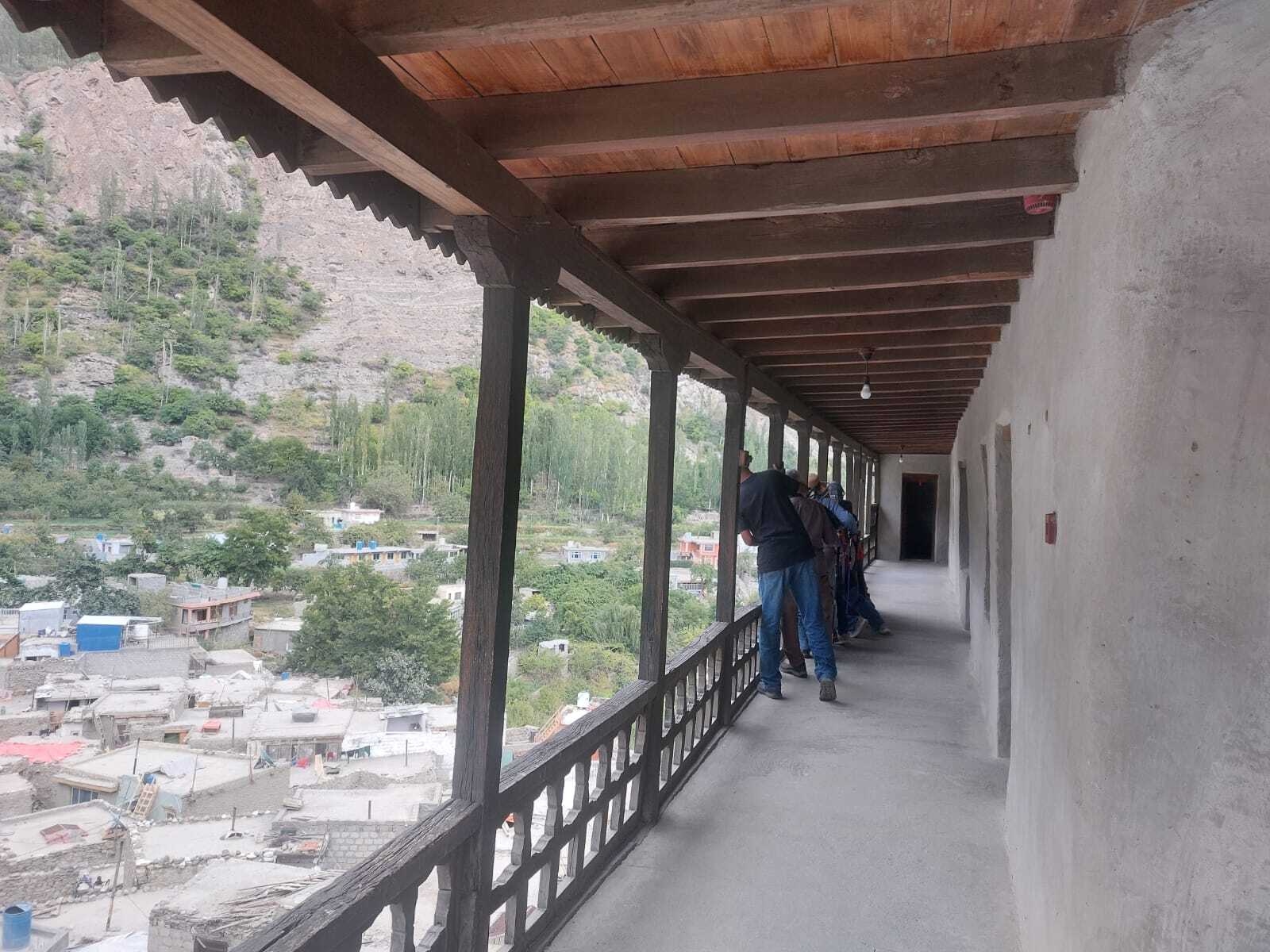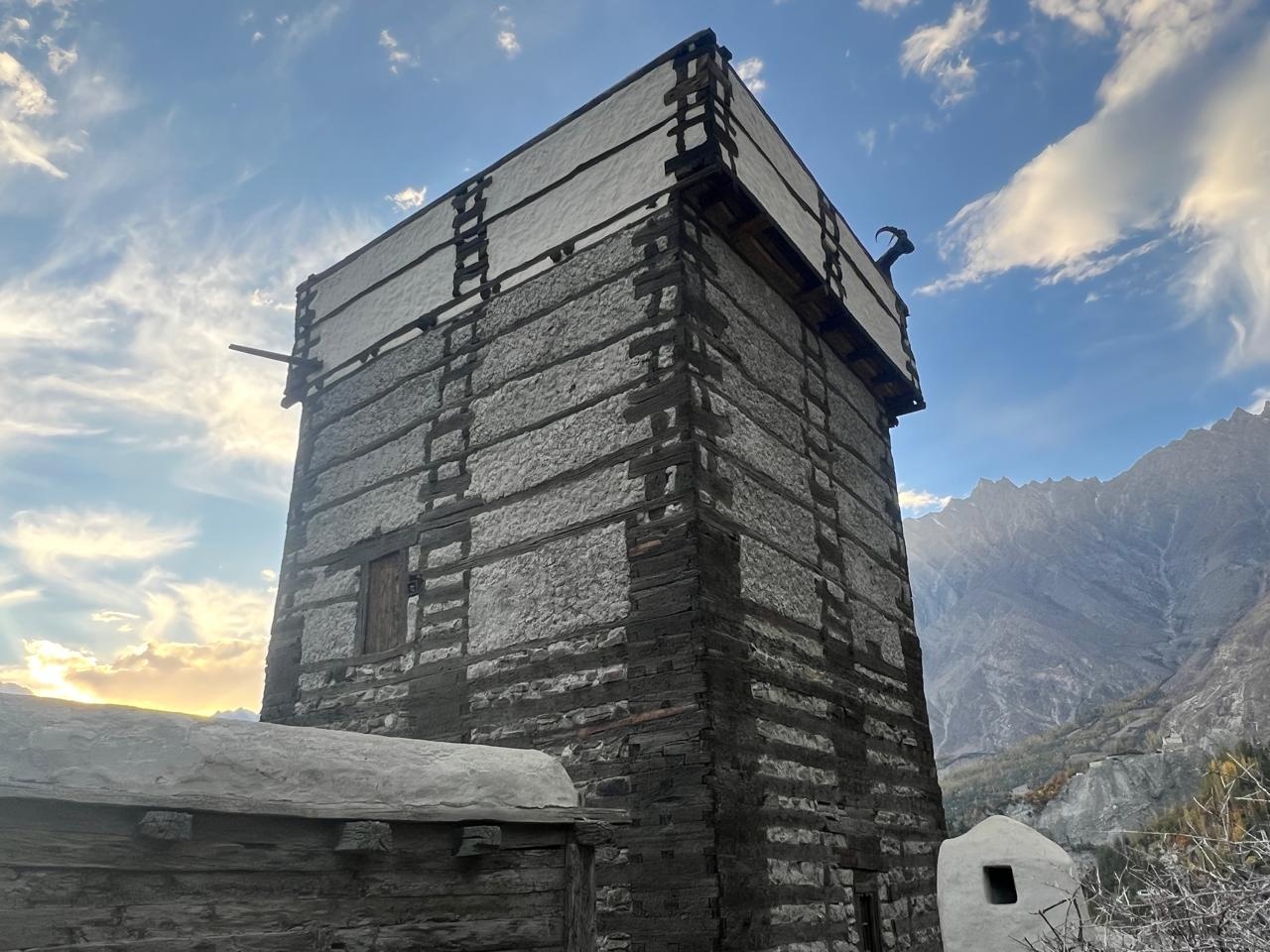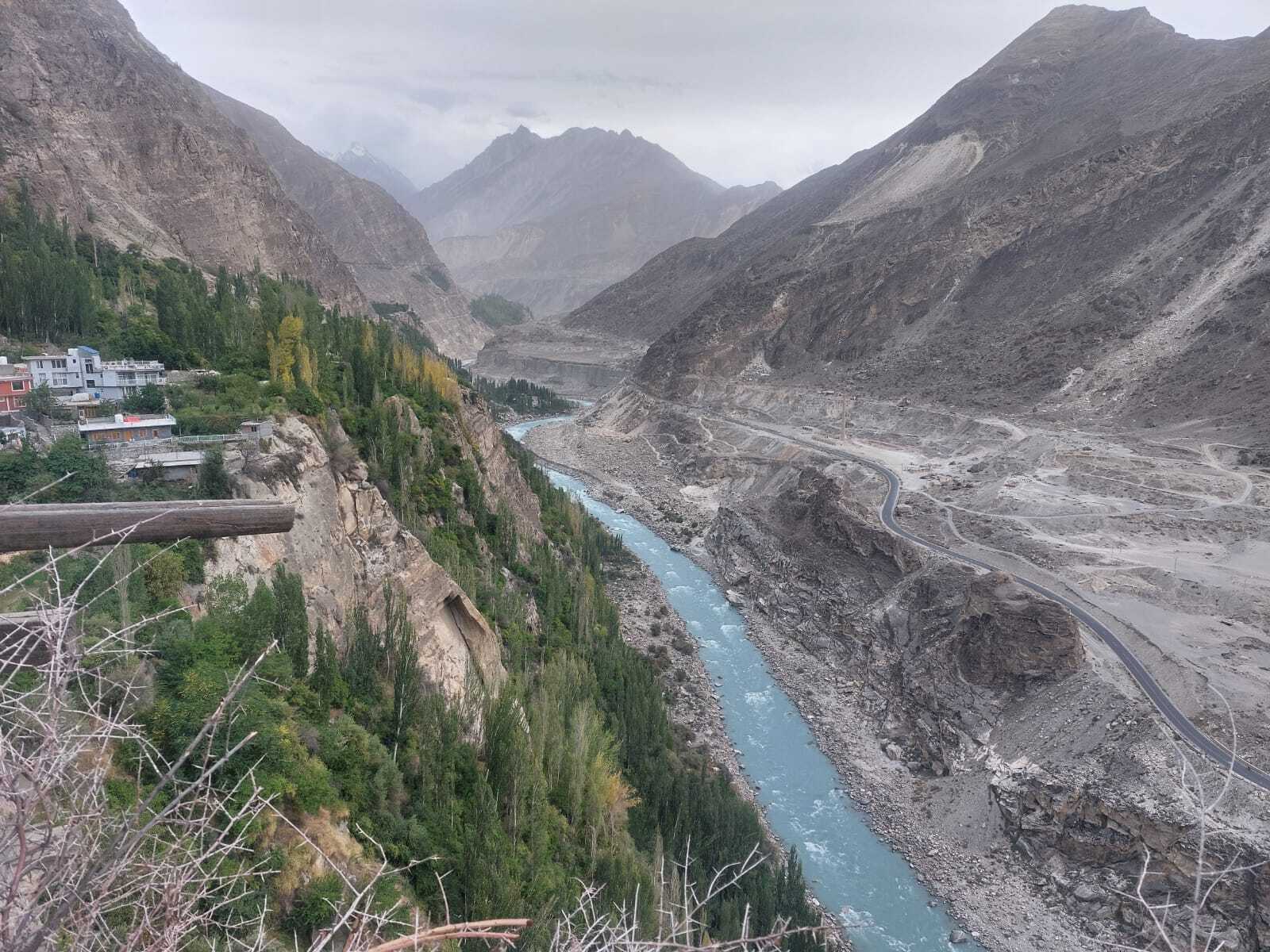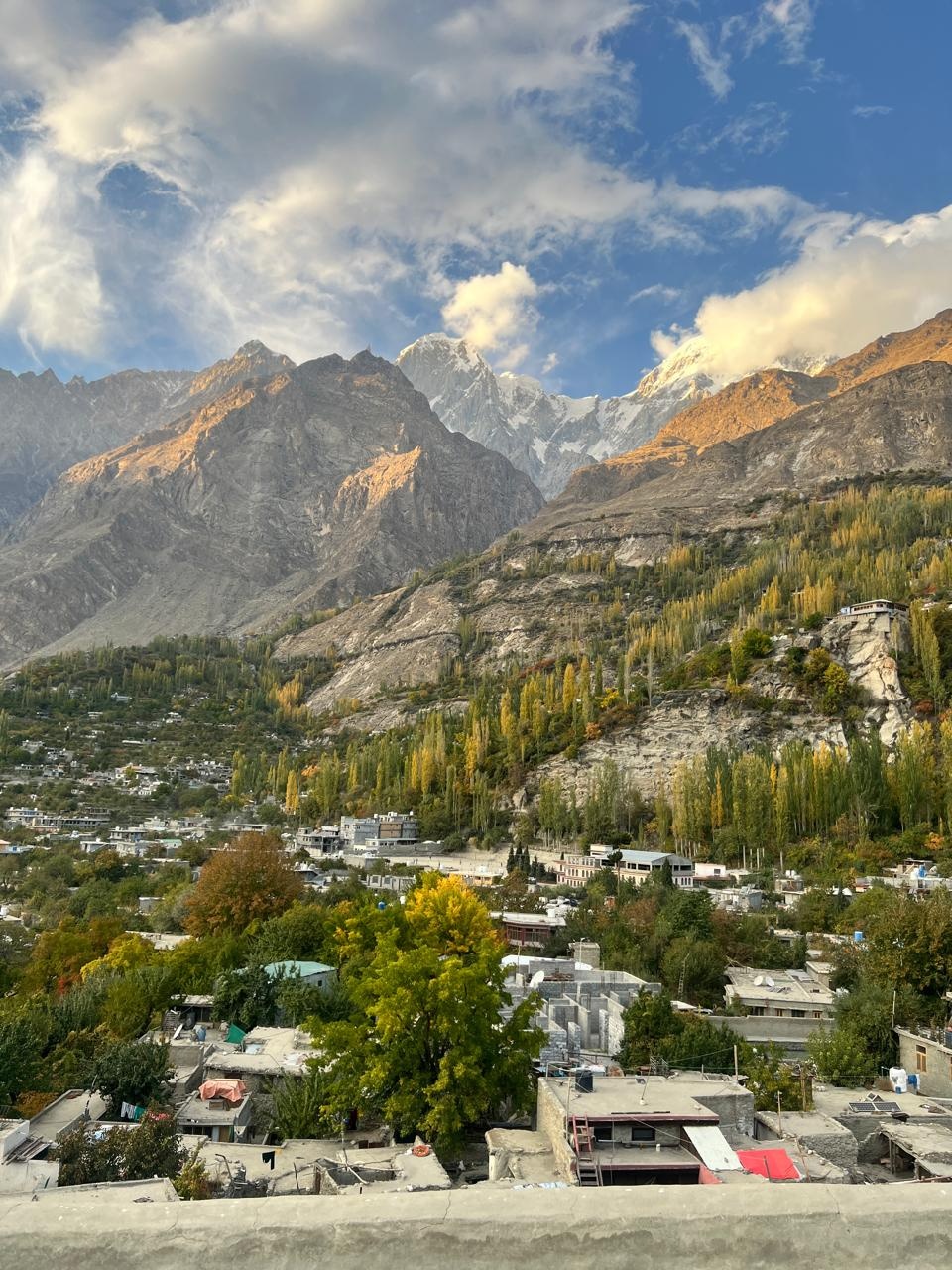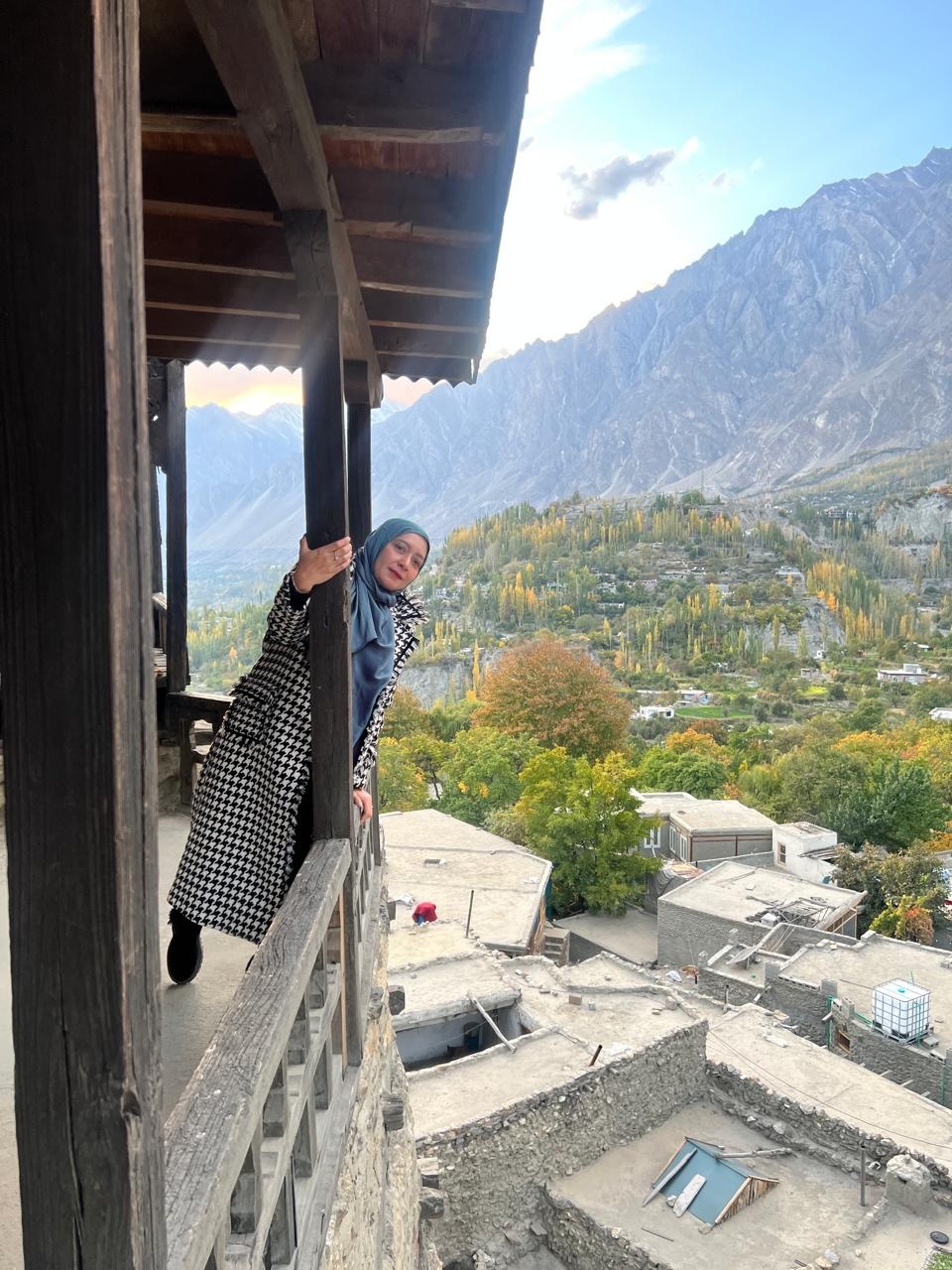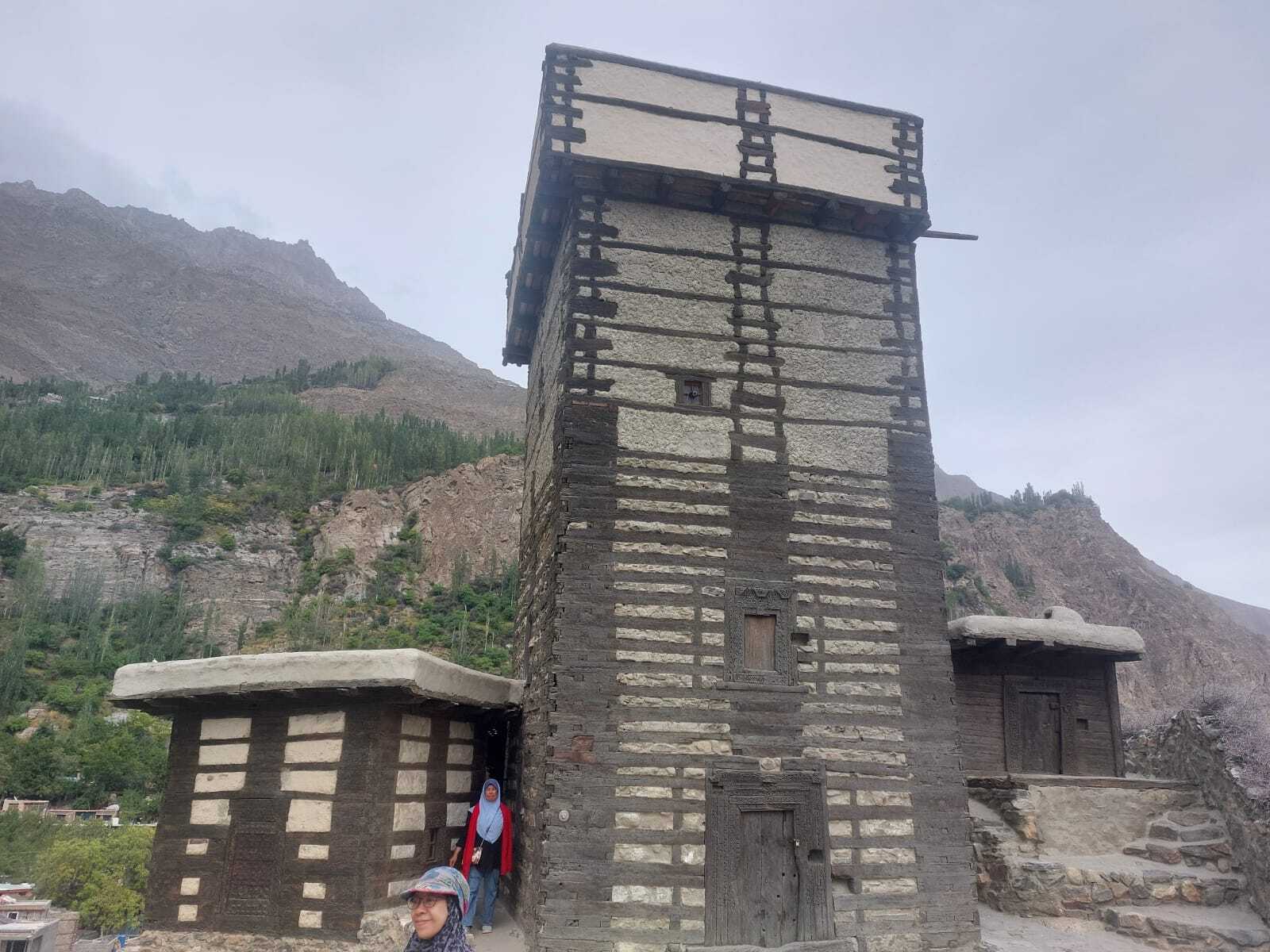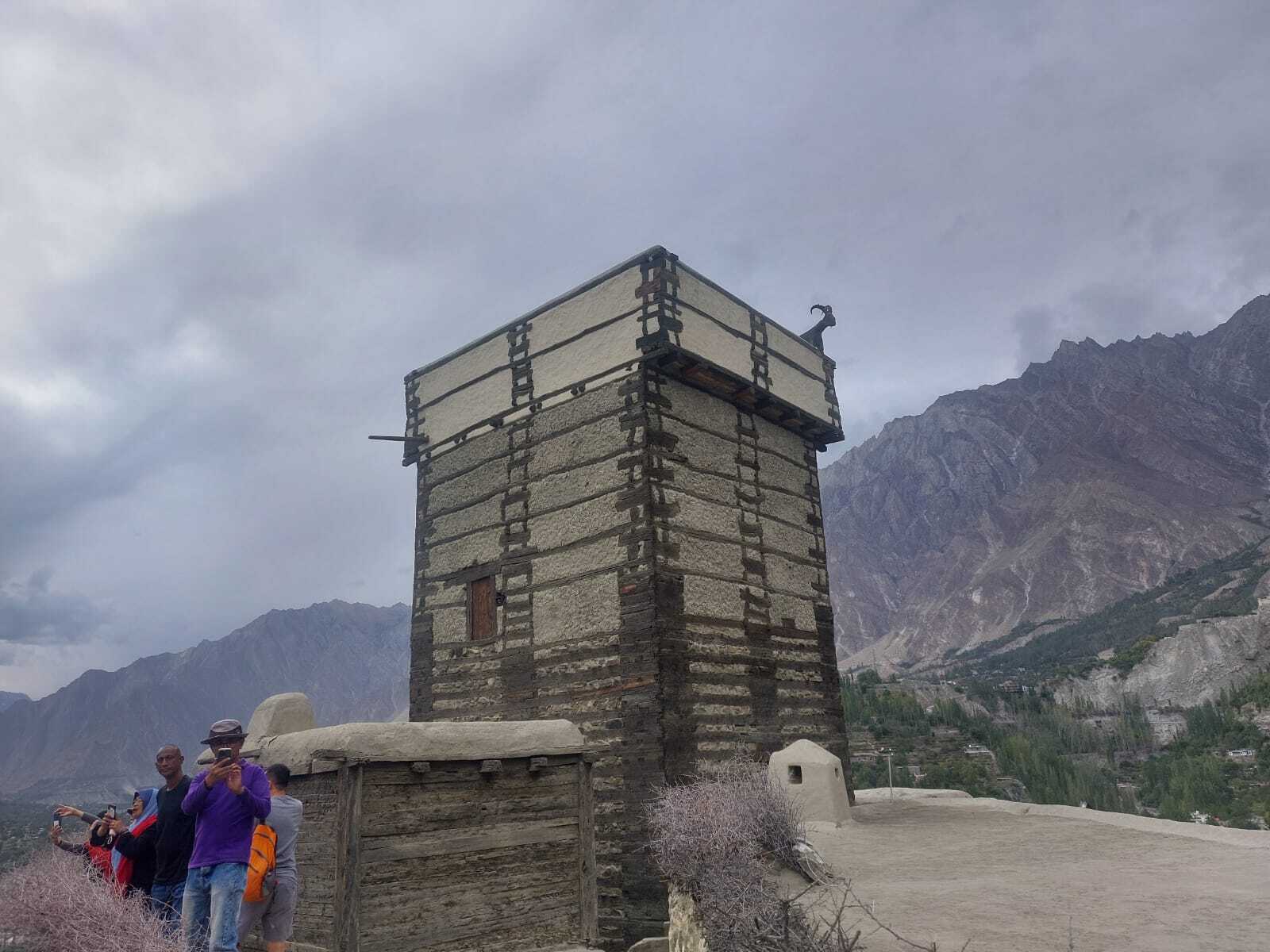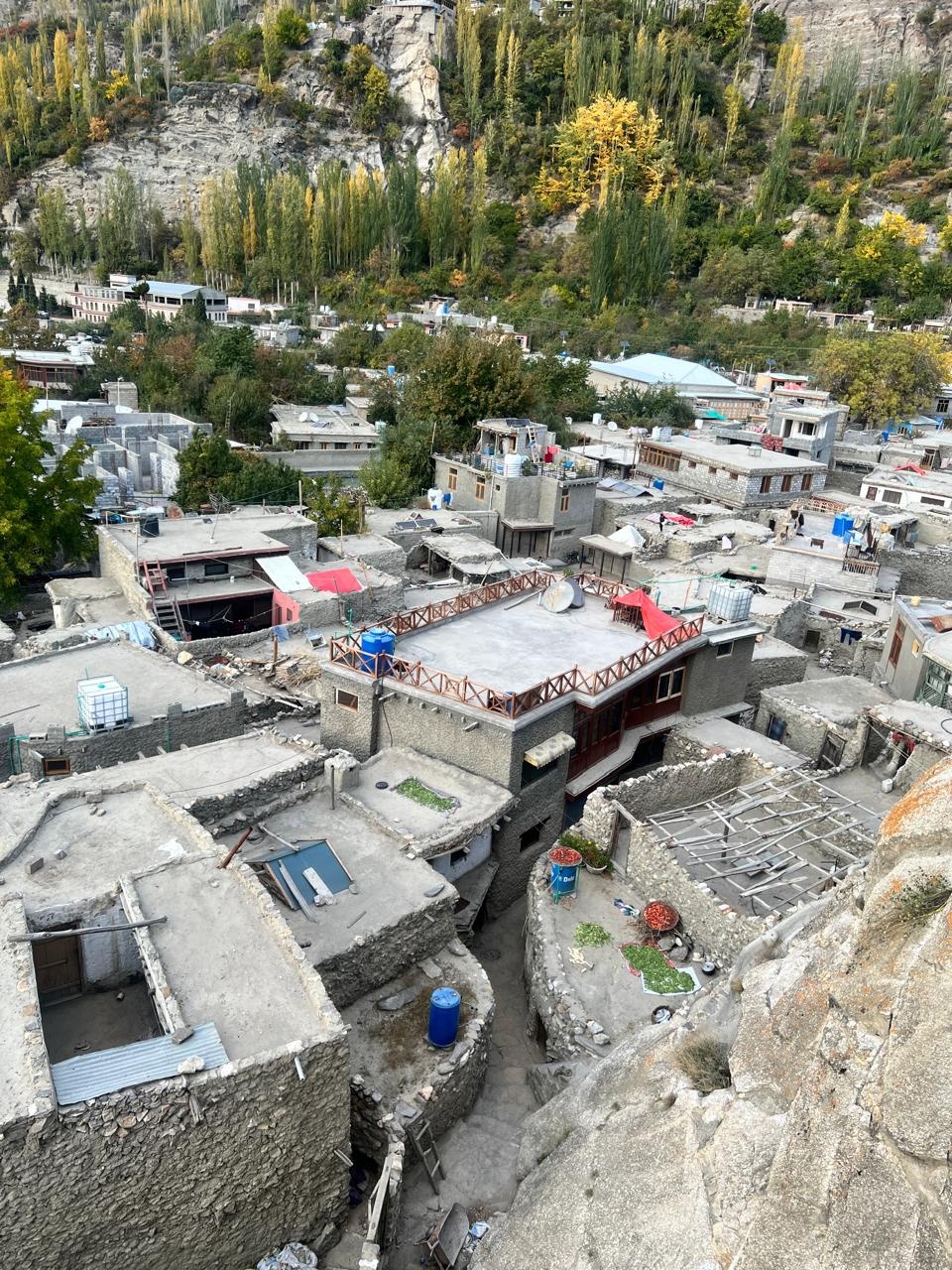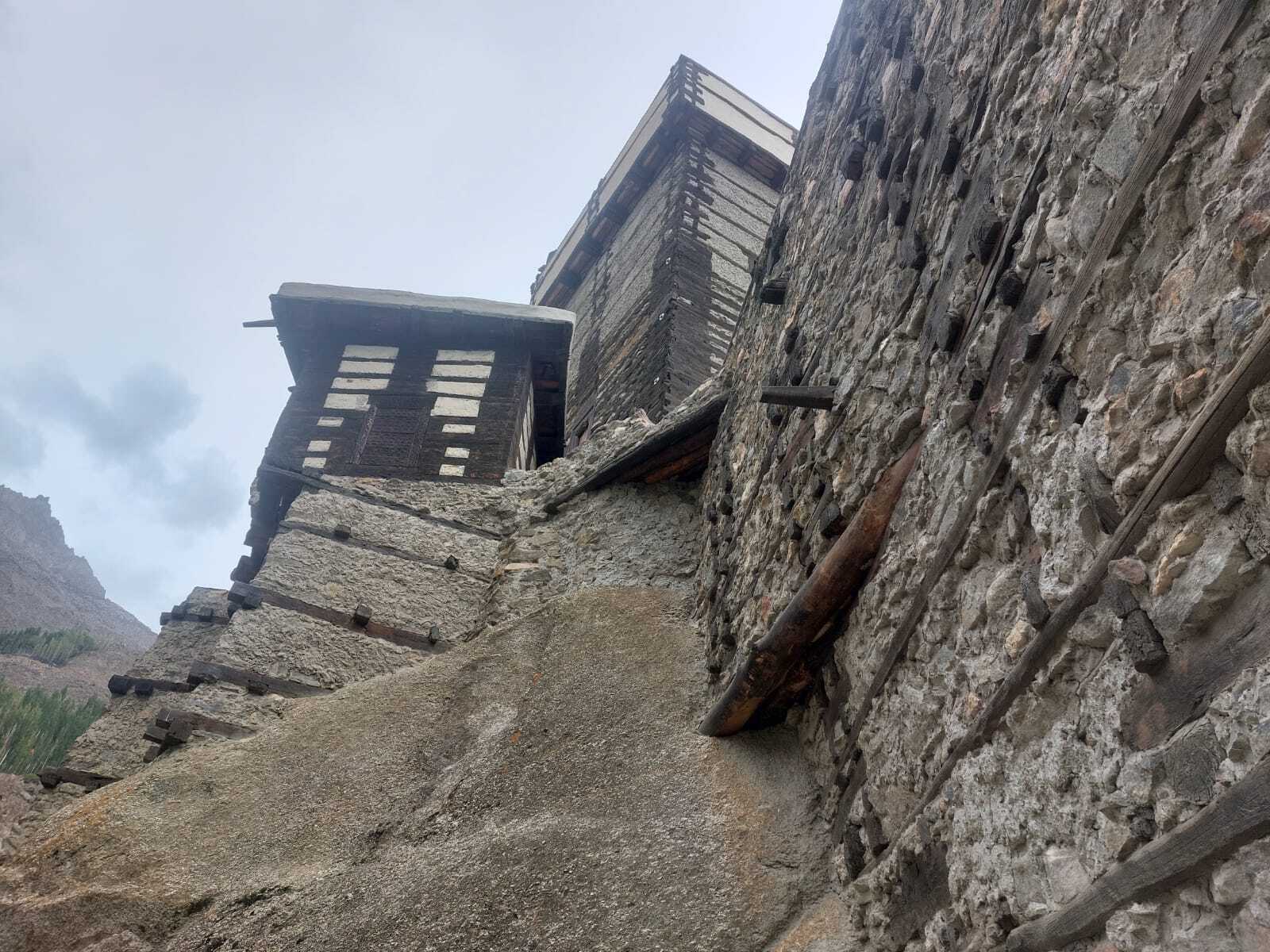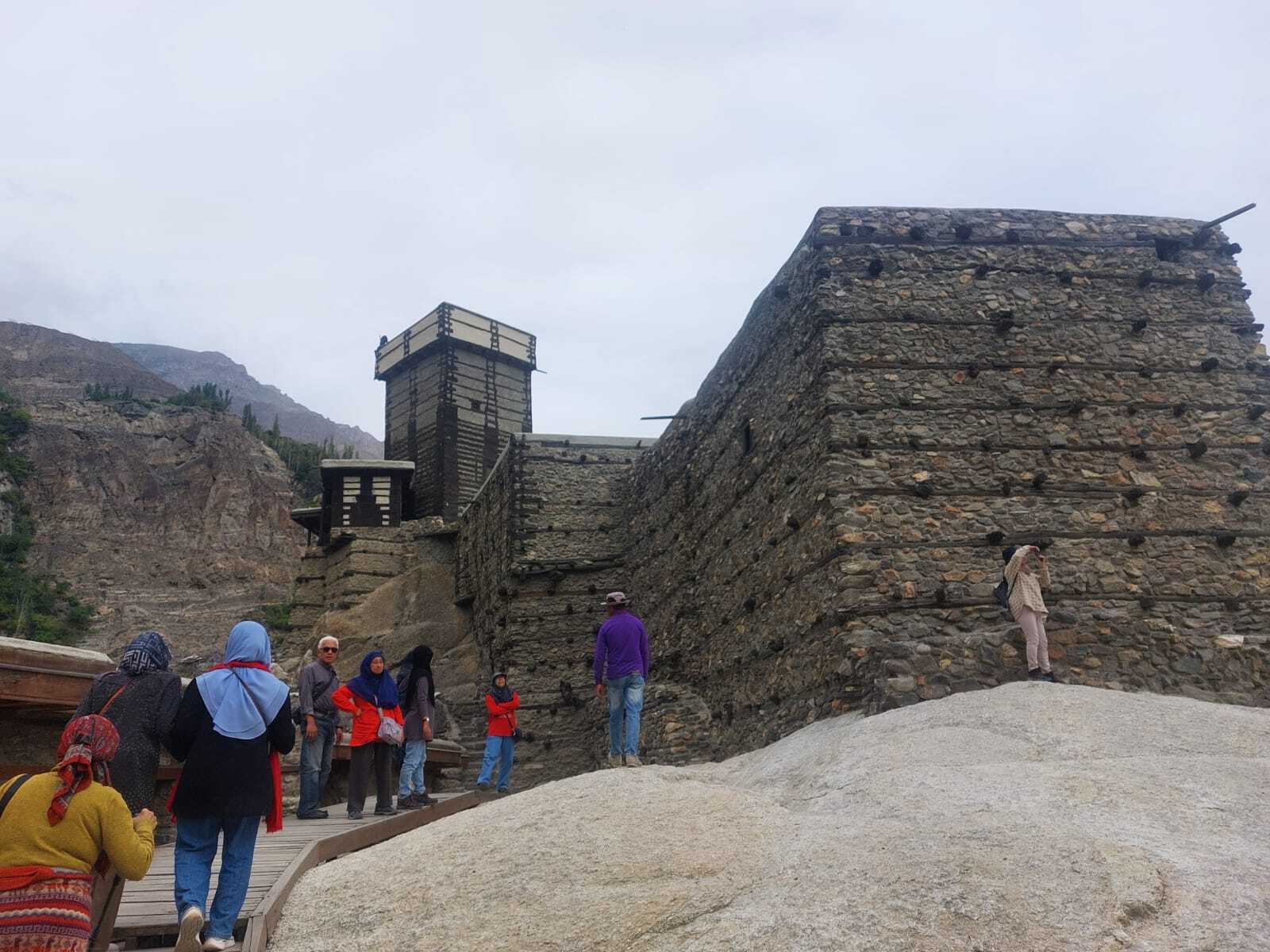
The Altit Fort is the oldest in the northern areas, which is located at the bottom of the Hunza Valley. Altit Fort was constructed under the king of Hunza, who is famous as Mir.
It has its historical value. It is considered the birthplace and capital of Hunza. It was built in the 11th century and is also a wonder of ancient art and technology. Not only has it survived many attacks from aggressors, but it has also withstood several earthquakes since it was built, perhaps making it one of the most astonishing architectural structures of its time.
In its early days, the fort was surrounded by the city’s settlers and traders who brought goods from across the world, making their way to the land from China via the ancient Silk Road, and it soon became a cultural hub of the region. But since 1990, the fort has been under the Aga Khan Foundation and has been operating as a tourist museum.
The 700-year-old Baltit Fort is located at the top of Karimabad in Hunza Valley. In ancient times, the Baltit Fort used to be the seat of governance for the ‘mirs’ time. The royal family used to live in Altit Fort before moving to Baltit Fort. They ruled for 1000s of years in the surrounding areas.
Its unique structure was destroyed by the Maharaja of Kashmir and many other rulers during the war, but later the Aga Khan Development Foundation rebuilt it to its original appearance.
Today, it stands as a symbol of the region’s history and is one of the major tourist attractions in Gilgit-Baltistan.
A visit to Baltit Fort in Hunza encompasses more than just observing ancient architecture. The site offers a comprehensive, immersive experience that engages multiple senses and leaves a lasting impression.
Explore the museum galleries, which feature meticulously curated exhibits spanning centuries of Hunza history, including royal artifacts, traditional weapons, musical instruments, and ancient manuscripts. Each gallery presents a distinct aspect of the fort’s historical narrative.
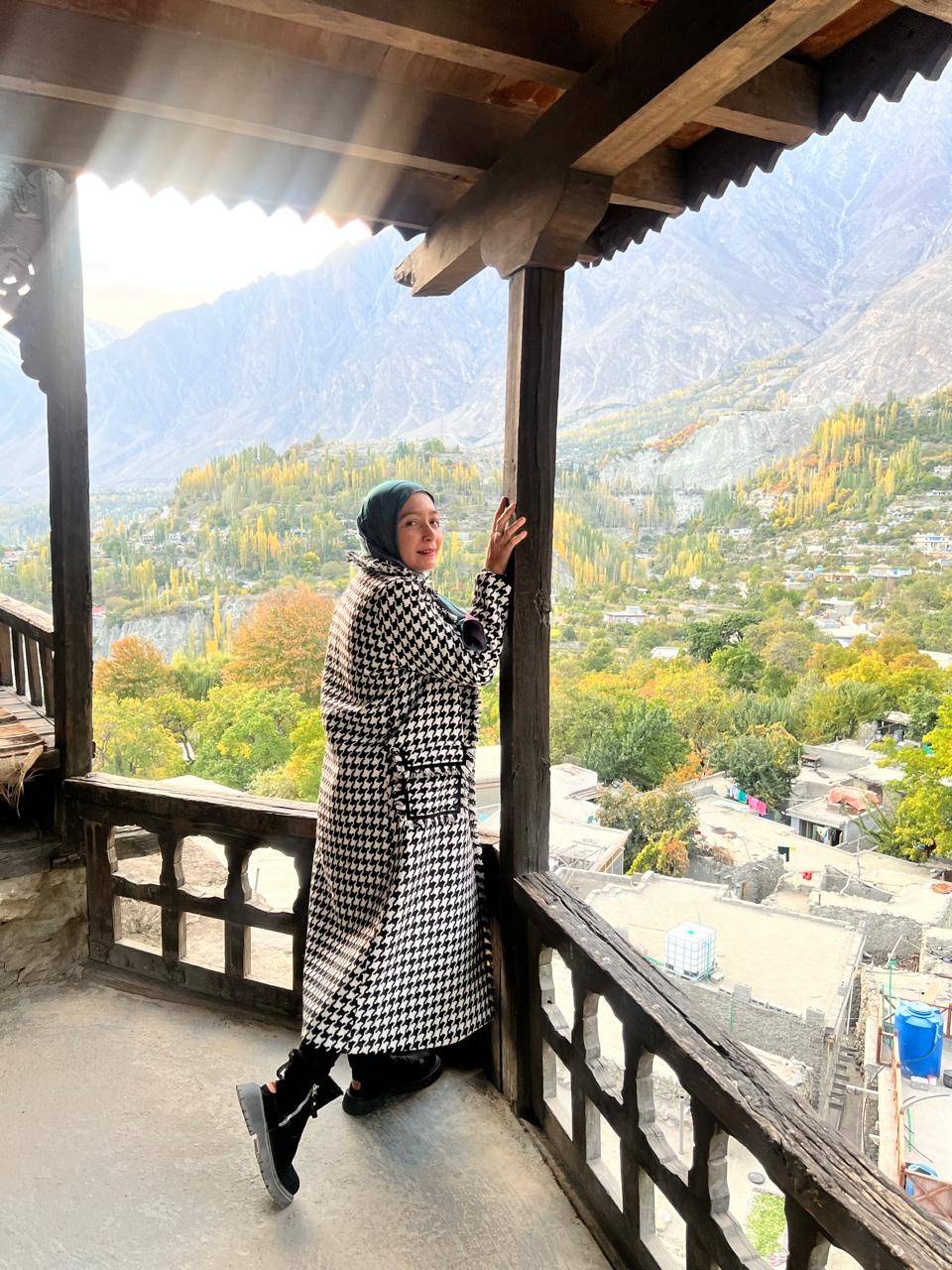
Photography opportunities abound, with the fort’s distinctive Tibetan-style architecture, intricate woodwork, and panoramic views of Hunza Valley providing compelling subjects. The period just before sunset, known as the golden hour, offers particularly favorable lighting conditions for photography.
Guided historical tours, led by knowledgeable local guides, provide detailed accounts of the fort’s history, including narratives about the Mirs, royal ceremonies, and daily life in medieval Hunza. These tours typically last 45 to 60 minutes and offer essential historical context.
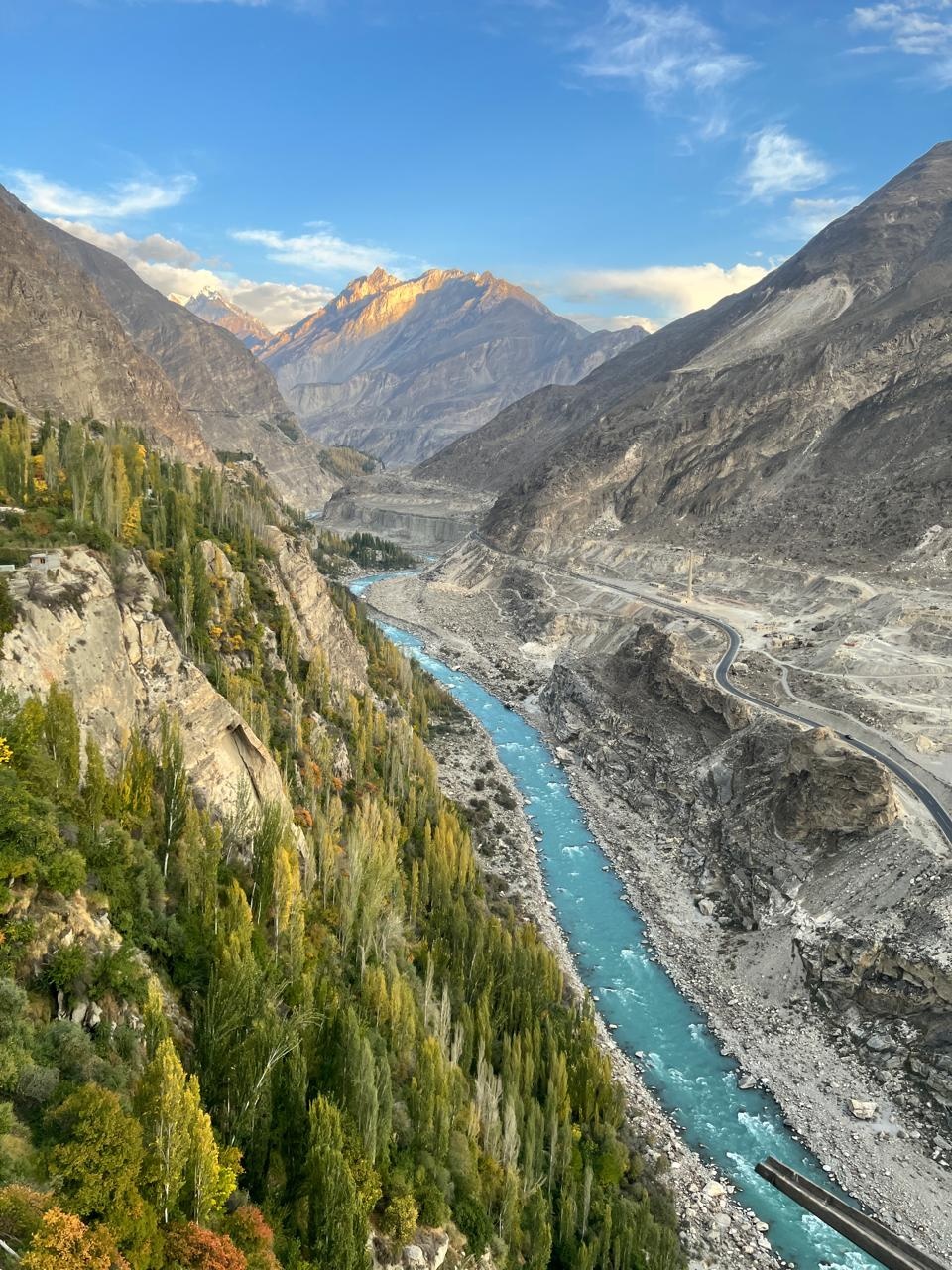
The fort’s terraces and balconies provide expansive 360-degree views of the Karakoram peaks, including Rakaposhi and Ultar Sar, as well as the terraced agricultural fields and the village of Karimabad.
During peak season, the fort occasionally hosts traditional music and dance performances that highlight Hunza’s cultural heritage. Scheduled events can be confirmed with local tourism offices.
The handicraft shop offers authentic Hunza handicrafts, including handwoven textiles, gemstones, traditional jewelry, and miniature replicas of the fort. Purchases support local artisans and serve as meaningful souvenirs.
Visiting Baltit Fort in Pakistan during the optimal season ensures favorable weather, enhanced accessibility, and a better overall experience.
Spring (April to May) is considered one of the most appealing periods to visit the Hunza Baltit Fort—the valley features blooming apricot and cherry blossoms, creating a vibrant landscape. Temperatures range from 10°C to 20°C, providing comfortable conditions for exploration. The Hunza Blossom Festival, typically held in April, adds cultural significance to visits during this season.
Summer (June to September) is the peak tourist season, with the most reliable weather. Clear skies provide excellent visibility of the surrounding peaks, and all roads and attractions are accessible. Daytime temperatures range from 15°C to 25°C, suitable for extended exploration. This period is optimal for photography, though higher visitor numbers are expected. Advance accommodation booking is recommended.
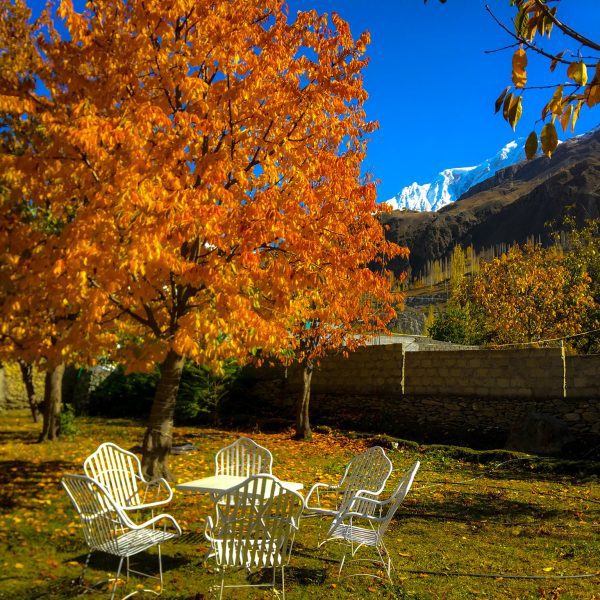
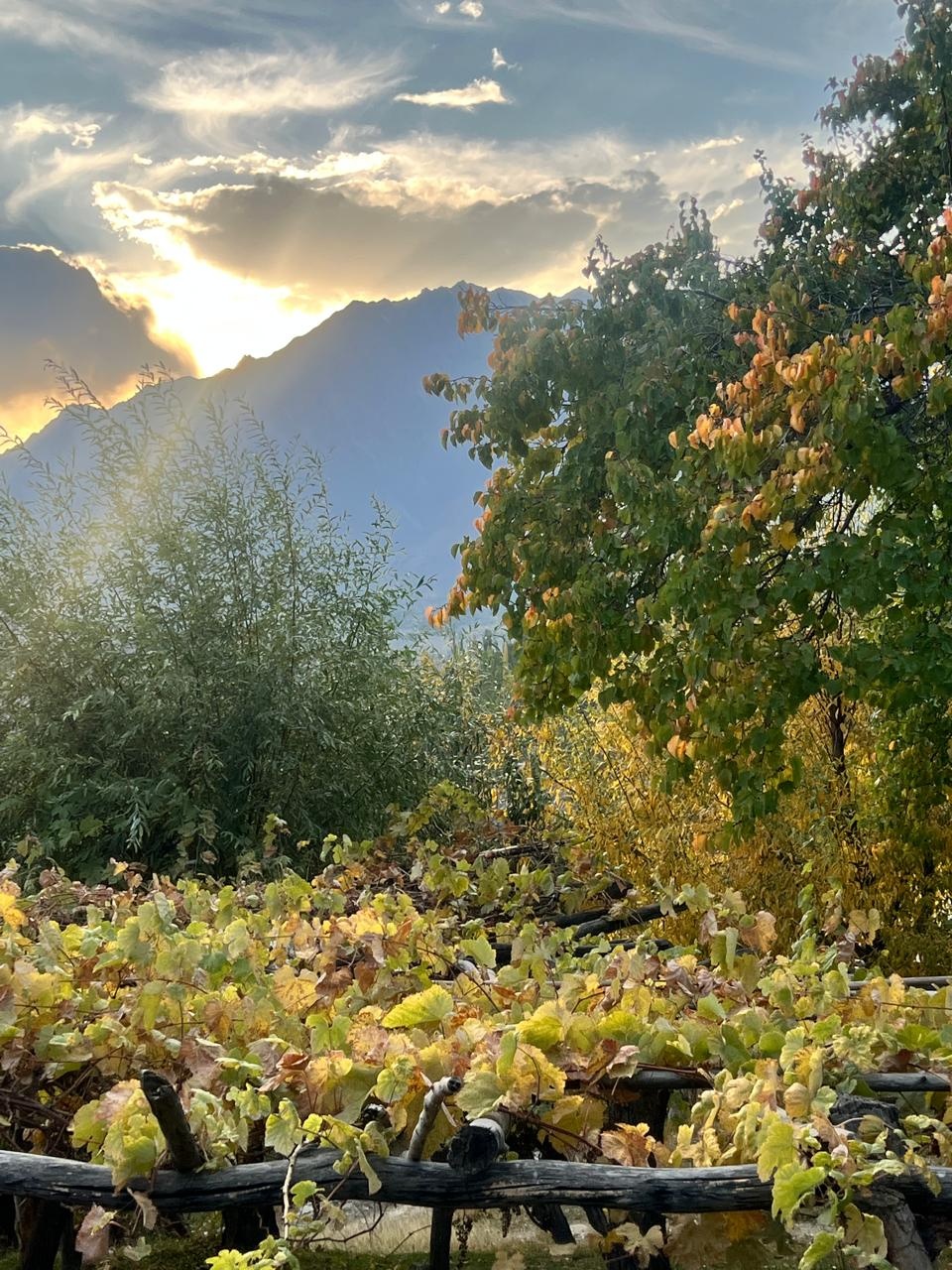
Autumn (October to November) offers a distinct atmosphere at Baltit Fort and the Hunza Valley. Orchards display vibrant shades of gold, orange, and red, and the harvest season provides fresh apples, apricots, and walnuts. Visitor numbers decrease, resulting in a more tranquil experience. Temperatures decline, particularly at night, so warm clothing is advisable.
Winter (December to March) presents snow-covered landscapes and a tranquil environment, but it is the most challenging period for visitation. Heavy snowfall may close mountain roads, and temperatures often fall below freezing, limiting outdoor activities. For visitors interested in solitude and winter photography, this season provides distinctive opportunities. The fort remains open, although some facilities may operate with reduced hours.
Recommendation: For optimal weather, scenic views, and full access to facilities, visits between April and October are advised. May and September offer favorable conditions with reduced visitor density.
The following travel tips are intended to ensure a comfortable, safe, and enriching experience at Baltit Fort, Hunza.
Acclimatization is essential, as Karimabad is situated at approximately 2,500 meters above sea level. Visitors arriving from lower elevations should allocate at least one day for acclimatization before engaging in strenuous activities. Maintaining hydration and avoiding heavy meals upon arrival is recommended.
Appropriate attire is recommended. Comfortable walking shoes with a good grip are necessary due to stairs and uneven surfaces. Modest dress, such as long pants or skirts, and covered shoulders align with local cultural norms. Layered clothing is advisable, as mountain weather can change rapidly.
Carrying cash is recommended, as ATMs in Karimabad may be unreliable. Sufficient Pakistani Rupees should be brought for entrance fees (approximately PKR 200-300 for locals, PKR 500 for foreigners), guide gratuities, handicraft purchases, and meals.
Engaging a local guide is highly recommended, as they provide historical context, highlight architectural details, and share local legends that may otherwise go unnoticed. Guides are available at the fort entrance for PKR 500-1000.
Visiting during off-peak hours is advisable. The fort operates from approximately 9:00 AM to sunset. Early morning (9:00-10:30 AM) or late afternoon (4:00-5:30 PM) visits provide a quieter environment and, in the latter case, optimal lighting for photography.
Allowing at least two to three hours for a visit to Baltit Fort in Pakistan is recommended to appreciate the museum exhibits, architecture, and views fully. Insufficient time may limit the overall experience.
Sun protection is essential due to the intensity of sunlight at high altitudes. Sunscreen (SPF 50+), sunglasses, and a hat are recommended. UV radiation at this elevation can cause sunburn even on cloudy days.
Respect for cultural sensitivities is imperative, as the site holds significant heritage value for local communities. Visitors should speak quietly inside the fort, refrain from touching artifacts or carvings, and seek permission before photographing individuals.
It is advisable to confirm opening times before visiting. Although the fort is generally open daily, occasional closures for maintenance or special events may occur. Verification with hotels or local tourism offices is recommended.
Baltit Fort’s central location in Hunza Valley provides convenient access to numerous other notable attractions in the region.
Altit Fort (3 km away) predates Baltit Fort by several centuries and offers a complementary historical perspective. Recently restored, it features notable architecture, terraced gardens, and a community-run guesthouse. The route between the two forts through Karimabad village is both scenic and culturally informative.
Karimabad Town, which surrounds Baltit Fort, offers opportunities for exploration. The town features narrow lanes with traditional Hunza houses, local cafes serving fresh apricot juice and regional cuisine, and family-run stores offering authentic handicrafts.
Eagle’s Nest Viewpoint (10 km), situated at an elevation of 2,800 meters, provides panoramic views of Hunza. Sunrise illuminates Rakaposhi, Diran, and Golden Peak, while the valley below comes into view. The viewpoint is accessible by a 4×4 vehicle.
Duikar (1 km) is an ancient settlement located below Baltit Fort, featuring centuries-old irrigation channels and traditional Hunza homes inhabited by families practicing longstanding agricultural methods. Sunset views from Duikar, with Baltit Fort silhouetted against the mountains, are particularly notable.
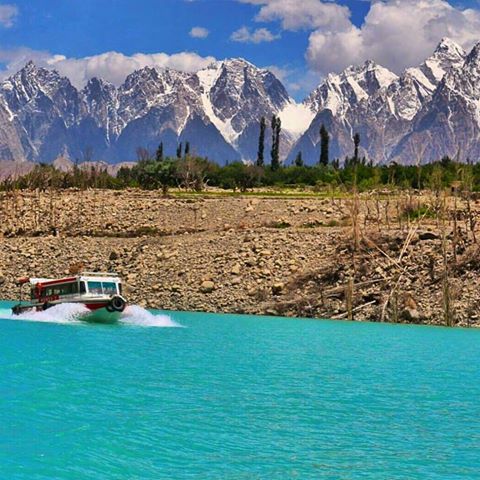
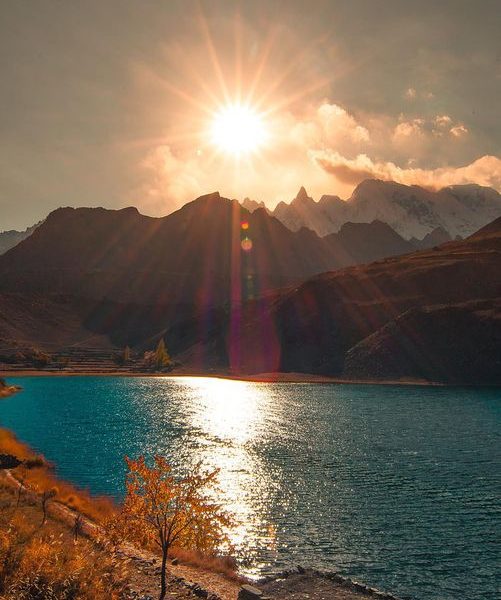
Attabad Lake (25 km), formed by a 2010 landslide, is a prominent turquoise lake and one of Hunza’s most photographed attractions. Activities include boat rides and jet skiing, with the lake’s blue-green waters set against a backdrop of mountain peaks.
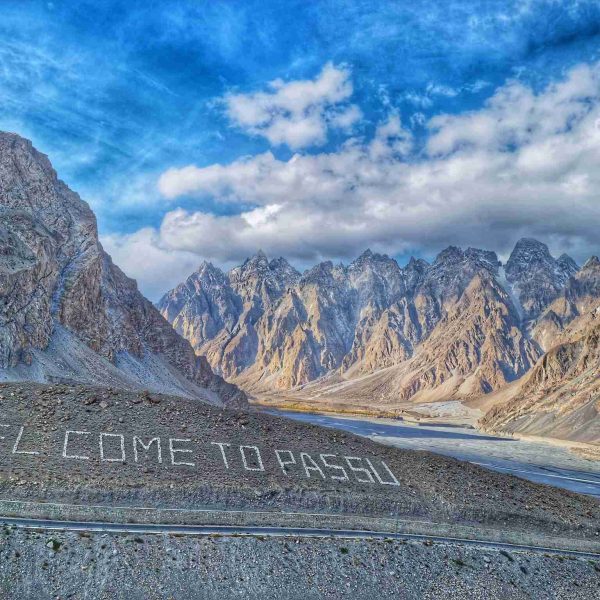
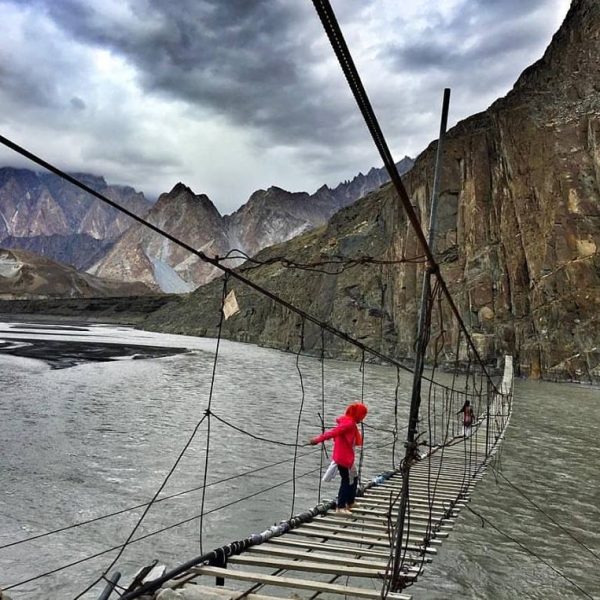
Passu Cones and Hussaini Bridge (60 km) are located further north. The Passu Cones are notable for their dramatic, cathedral-like peaks, while the Hussaini suspension bridge is recognized as one of the world’s most challenging bridges to cross.
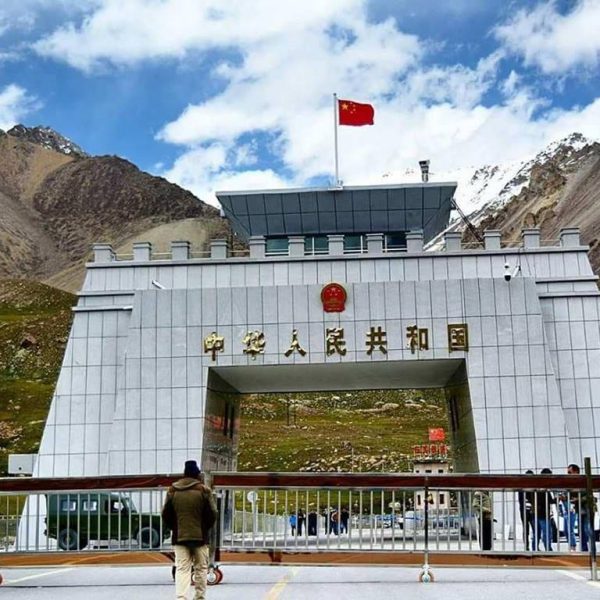
Khunjerab Pass (100 km) is the world’s highest paved border crossing at 4,693 meters, connecting Pakistan and China. The route along the Karakoram Highway features notable mountain scenery and opportunities for wildlife observation.
Baltit Fort is the ancient fort of Hunza Valley and it is about 1100 years old. Thousands of tourists visit this oldest monument in this valley every year.
Baltit Fort timings are from 9:00 AM to 4:00 PM according to PST. All travelers should follow the time frame to enjoy the historical and scenic site of Hunza Valley.
Baltit Fort entry ticket price is Rs.500 per head for local tourist and Rs.1500 for foreign tourists.
Both forts have their own beauty and ancient structures with scenic beauty. One should visit both of these forts if you want to relish the charm of historical sites.
A stunning example of ancient architecture perched high above Karimabad, the Baltit Fort reflects Hunza’s history and cultural heritage. Fort Hunza is thought to be over 700 years old and used to be the royal residence of the Mirs of Hunza, who ruled the region for many centuries.
Baltit Fort is located at 380 m beginner trek from Baltit Chowk Karimabad. It takes 15 to 20 minutes to reach the fort with short stays for shopping on the way.
Altit Fort entry ticket price for local persons is Rs.500 with a local tour guide. For foreigners and other nationals, it costs Rs.1500 per person with a complete guided tour of the fort.
Altit Fort is about 2 kilometers away from Karimabad and you can reach there just in 15 to 20 minutes road drive.
The oldest monument and master piece in Gilgit-Baltistan is Altit Fort in Pakistan, which is around 1,100 years old.
You can visit many places near to Attabad Lake to explore the surroundings. Most of the sightseeing places are: