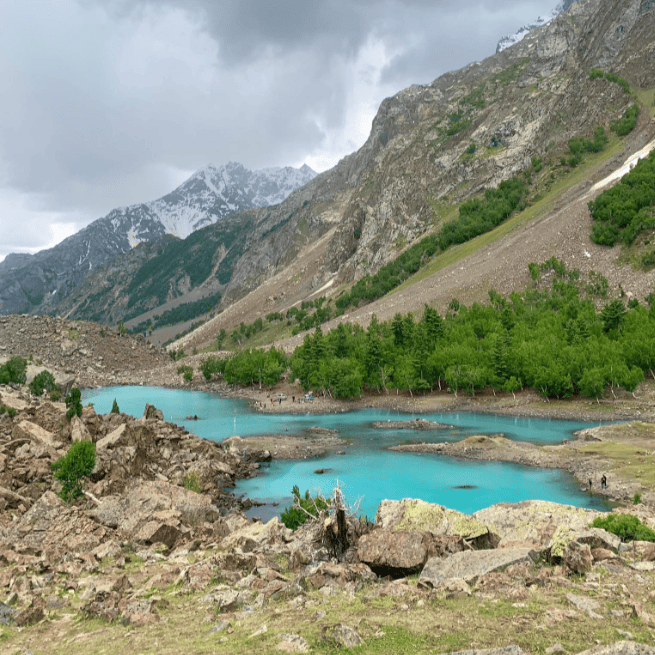
Nestled deep within the captivating Naltar Valley, just 40 km from Gilgit City, lies a cluster of alpine lakes that invite explorers to discover their hidden wonders. Known as the Satrangi (Rainbow) Lakes, these gems are among Pakistan’s most extraordinary natural marvels. This guide equips adventurous travelers with essential insights for seeking out the untamed beauty of the Satrangi Lakes and charting less-traveled routes.
Gilgit to Naltar Valley: ~2 hours on a blacktop road
Naltar Valley to Satrangi Lakes: Expect an exhilarating 1.5-hour journey via 4×4 jeep along an unpaved, rocky trail that challenges even the most seasoned adventurers.
Altitude: Between 10,575 ft and 11,350 ft above sea level
Pro Tip: The final stretch tests your grit. Venture through rocky, muddy paths flanked by rivers and dense pine forests. Jeeps are available in Naltar Bazaar or Gilgit; make sure yours is up for the adventure.
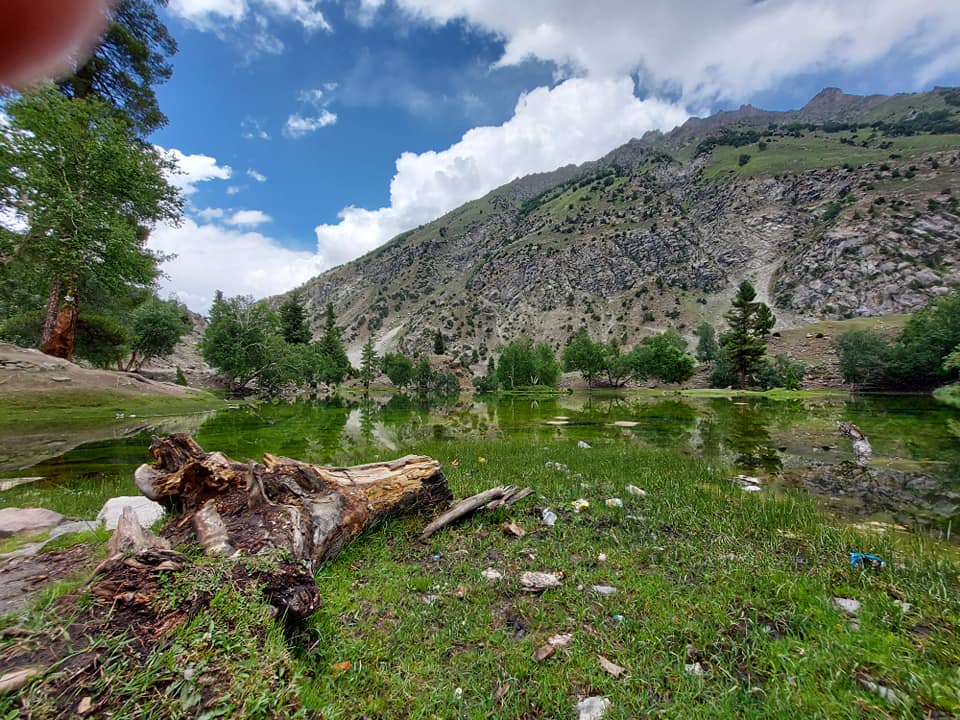
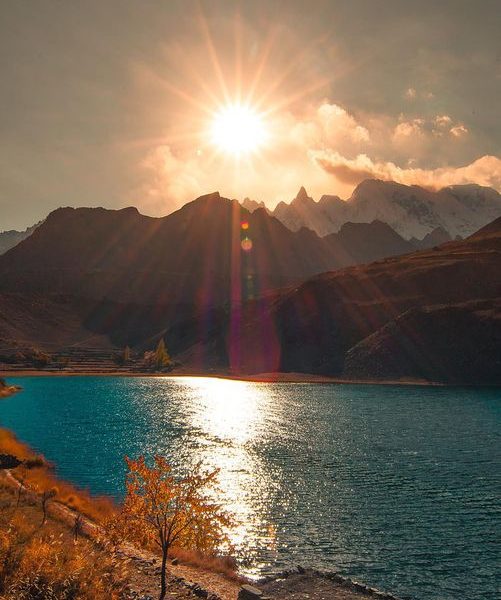
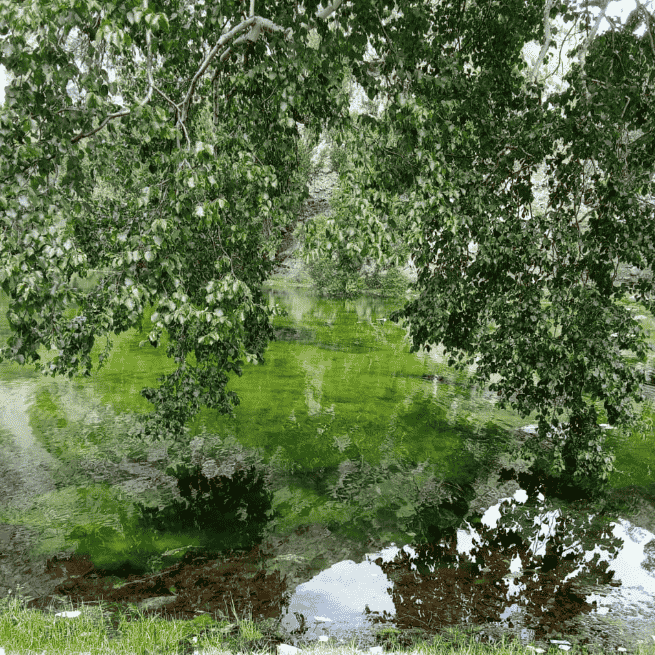
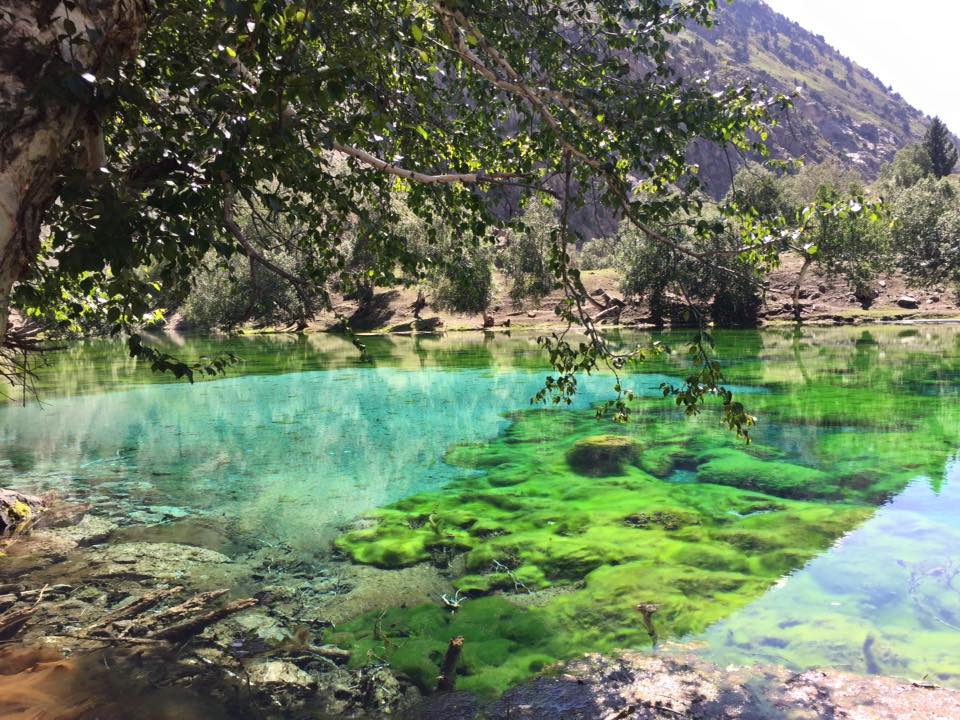
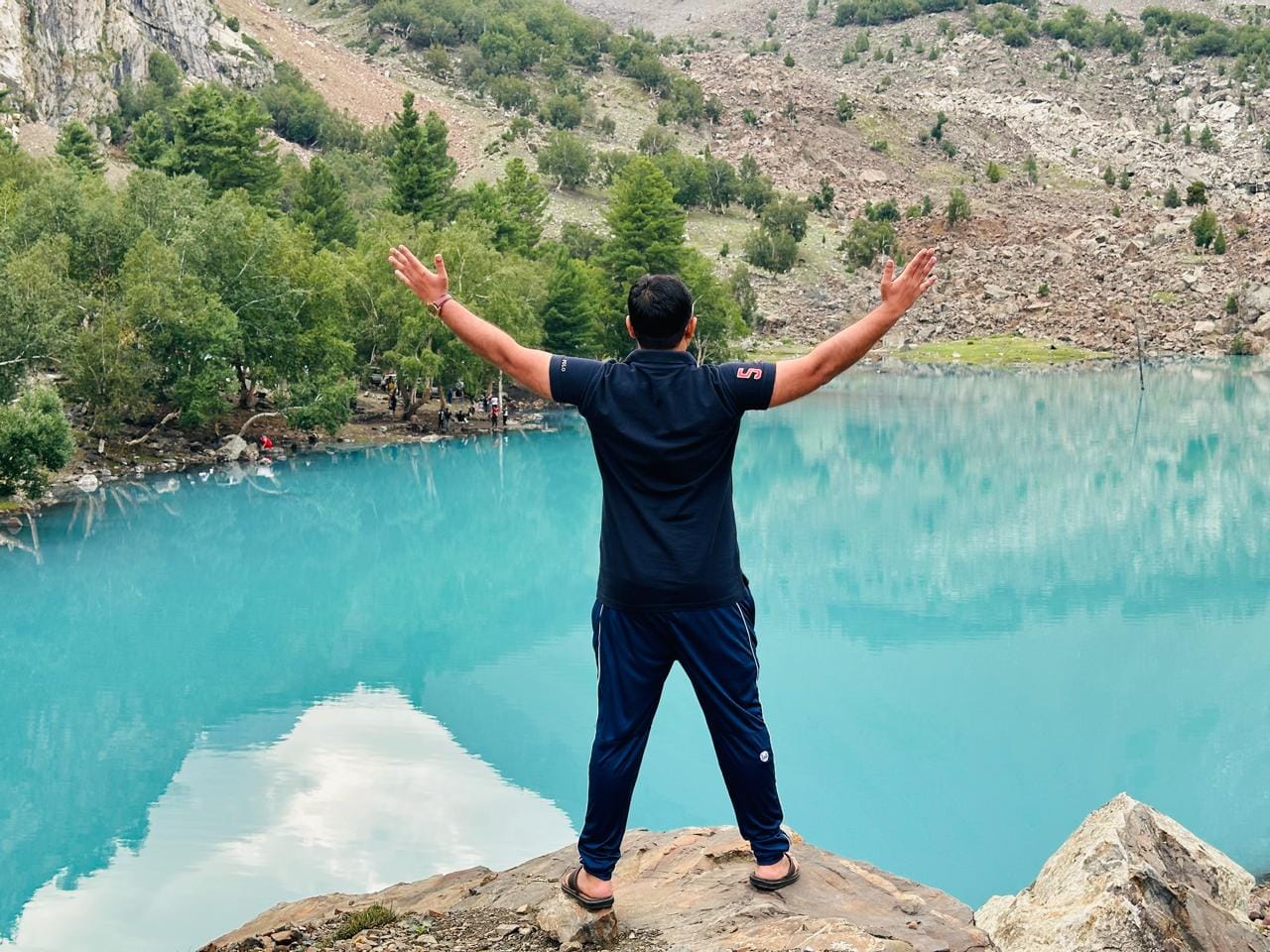
Satrangi Lake, the most famous in the group, features seven noticeable colors in its water: green, yellow, blue, turquoise, orange, and red, which appear most vividly at dawn and dusk. Algae, nourished by an underground spring, create these colors. The lake’s warm green tone stands out among the others and often draws photographers.
The other four lakes in the cluster offer distinct appearances. They are fed by natural springs and have striking turquoise-blue waters with no algae, resulting in less color variation. Their hue intensifies during morning and evening light. The fifth lake, which sits at the highest altitude, is the largest and turns greyish-green in summer because glacial streams feed it.
Travelers usually reach Satrangi Lake by jeep due to poor road conditions and challenging terrain. Durable commercial jeeps, maintained for rough trails, are common among locals. Adventurous visitors can hike directly to Blue Lake and return via Satrangi Lake.
Blue Star Lake is located 1 kilometer north of Rainbow Lake, and is known for deep, clear, and calm blue water. Nearby, Blue Lake and Feroza Lake can be reached by a short jeep ride; Blue Lake features vivid blue water, while Feroza Lake, cooler, has a distinctive turquoise hue. All three lakes are surrounded by pristine scenery ideal for camping and landscape photography.
Traveling to Blue Lake is a highlight, offering views of pine forests, streams, and snow-capped peaks. Despite its modest size, its scenic beauty appeals to nature enthusiasts and photographers.
Firoza Lake, named for its turquoise color, is fed by springs, remains cooler than neighboring lakes, and stands in stark contrast to the blue tones of Blue Star and Blue Lake.
Crystal Lake, the fourth in the group, lies further from the main cluster. With its icy-blue water and quiet surroundings, it attracts those seeking solitude and stands out visually from the nearby turquoise and warm green lakes.
The fifth and highest lake is glacially fed and appears greyish-green in summer. It requires a short but challenging hike to access and offers unique high-altitude views not found at the other lakes.
Naltar Valley’s ski resort is the country’s first organized facility, known for its extended snow season and excellent conditions for skiing competitions.
The resort regularly hosts national ski championships and international training. Muhammad Abbas, Pakistan’s first Winter Olympian, trained here, making Naltar a key training ground.
For visitors who do not ski, the resort offers a distinctive winter experience. The quiet forests, snow-covered slopes, and clear mountain air contribute to a tranquil environment that contrasts sharply with urban settings.
The ski slopes’ high-altitude location allows snow to persist longer than in lower regions. During winter, skiers and snowboarders visit the Valley for practice and competition. Non-skiing visitors often come to experience the snowy landscape and engage in activities such as snowshoeing and Photography.
Established in 1975, the Naltar Wildlife Sanctuary protects one of the richest ecosystems in Gilgit-Baltistan.
The Valley was designated a wildlife sanctuary to protect its forests and wildlife. The sanctuary includes large areas of pine and juniper forest, which serve as habitat for several rare animals.
Wildlife includes snow leopards, Himalayan brown bears, ibex, and red foxes. These animals avoid humans and are rarely seen, but their presence highlights the Valley’s ecological importance.
Naltar Valley is recognized not only for its lakes and mountains but also for its association with Lolly, the snow leopard, a prominent wildlife ambassador in Pakistan. Snow leopards are extremely rare and elusive, often referred to as the “ghosts of the mountains,” with only a few hundred estimated to survive in Pakistan’s highland regions.
Lolly was rescued as a young cub after being separated from her mother. Having grown up in close proximity to humans, she cannot be reintroduced to the wild and now resides in a secure, protected environment in the Naltar Valley. Her presence enables visitors to observe this species closely, providing a rare opportunity to encounter one of the region’s most iconic animals.
Observing Lolly reveals features of snow leopards living in Pakistan’s mountains. Her fur patterns, eyes, and physique demonstrate the species’ adaptations. Lolly symbolizes conservation, emphasizing the need to protect these predators and their habitats.
Visiting Naltar Valley and observing Lolly underscores the importance of wildlife preservation. Such experiences can encourage support for ongoing efforts to protect Pakistan’s snow leopards for future generations.
The Valley is inhabited by small communities belonging to the Yashkun, Sheen, and Gujjar ethnic groups, who speak Shina, Gojari, and Urdu.
Life here revolves around:
Naltar villages are described as peaceful, welcoming, and rich in culture, fostering strong connections among residents.
The road to Naltar is scenic yet considered one of the most difficult routes in northern Pakistan. Landslides, narrow cliffs, and rough sections make it unsuitable for most vehicles.
Travelers should:
Accommodation in Naltar is generally basic but comfortable.
Most accommodations are located in Naltar Bala, the Valley’s primary tourist center.
Winter travel: Snowfall transforms the lakes into a dramatic winter wonderland, but treacherous conditions await. Brave the elements with snow boots and thermal gear to stay protected.
4×4 vehicles required: Only rugged vehicles survive this wild terrain—jeeps with tough suspensions are your allies for safe passage.
Wildlife: There is a possibility of observing the well-known snow leopards, Leo and Lovely, a mother-cub pair cared for near the forested area.
Pack essentials: Stock up on water, snacks, garbage bags, sunblock, and warm clothing. Expect limited mobile signal; only SCOM may occasionally connect. Stay prepared for wild adventure.
Leave no trace: Littering is increasingly common. To help preserve the environment, ensure all waste is disposed of properly.
May to October: During this period, the Valley is lush and in full bloom, making it the optimal time for Photography, sightseeing, and camping.
Winter visits (November to February): Reserved for experienced adventurers. Snow-blocked roads demand local guides for safe passage into the wild unknown.
Naltar Valley is located 40 km from Gilgit city. It takes 2 hours to reach the Naltar Valley from Gilgit. Nomal village is located between Naltar and Gilgit city. Naltar Valley is located just opposite Nomal Valley. A jeep road connects Naltar Valley with Nomal village.
After crossing Nomal Village, you will reach Naltar Valley. Naltar Valley is a beautiful pine-forested valley. Naltar is divided into two villages: Naltar Bala and Naltar Pain. From Naltar Bala, a jeep track leads to Bashkiri Lake or Naltar Lake. However, in winter this place is inaccessible due to snow. Extra trekking is needed to reach this place in winter.
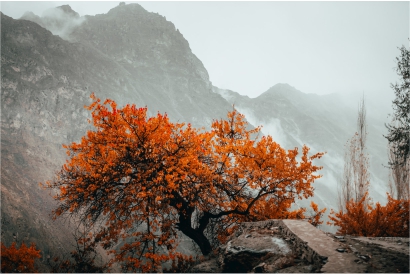
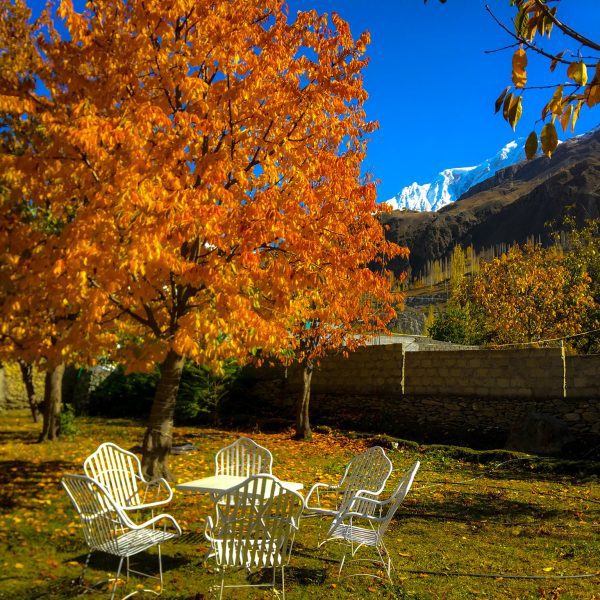
The best season to visit Naltar Lakes is May to October. In summer, the whole Naltar Valley looks like a fairyland. The fresh, crystal-clear water of the Naltar streams, the green Valley, and the snow-capped peaks are just amazing. So we recommend visiting Naltar Lake in the summer. Autumn is also the best season for trees to start changing color. The colorful trees in Autumn make the whole Valley like a dreamland.
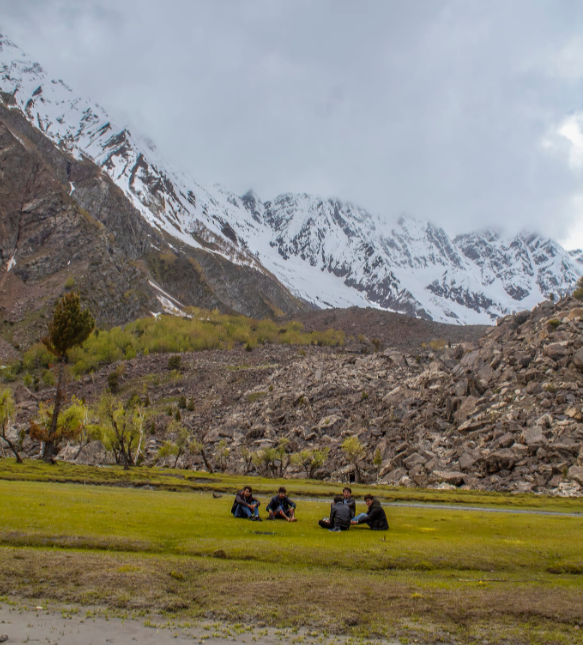
Several lakes are separated by short hikes of 45 to 60 minutes. The trails traverse alpine meadows and forests.
Camping beside the lakes invites adventure beneath the stars.
The dynamic colors of the lakes, surrounding mountain peaks, wildlife, and natural light provide excellent opportunities for Photography.
Local trout can be caught in these lakes; however, it is important to obtain the appropriate fishing license from local authorities before Fishing.
Hotels, accommodations, and guest rooms are readily available in Gilgit, with prices starting from Rs 3000 per day and varying by season. For affordable options, consult reputable travel resources.
We offer a variety of hotels and guesthouses, from luxury to budget options. Travelers can select accommodations that best meet their preferences and budget.
Network: Only SCOM and the Telenor network are available in the Valley.
Road Condition: Till Naltar Valley, the road is Black Top. If you want to go towards Naltar Lakes, you must take a 4×4 (Available in Naltar Valley).
Snow Leopard: It is highly recommended to visit the infamous Snow Leopard and the Chair Lift near the PWD Mess, which is close to the main Naltar Ski Track (No Fee).
Weather: The night air bites even in summer. Adventurers must pack warm clothes to face the cold.
Camping: If time permits, set up camp and enjoy a bonfire with friends under the starry night.
Bank: Keep enough cash with you. No ATM is available in Nalter Valley.
The lakes of Naltar Valley beckon those who crave adventure and tranquility amidst unspoiled beauty. Whether you seek thrilling exploration, stunning Photography, or moments of relaxation, these lakes promise unforgettable journeys for true adventurers.
Naltar Valley is famous for its greenery, forests, and beautiful lakes. Besides lakes, Naltar is famous for its ski resort. Pakistan Air Force PAF has installed ski chairlift at Naltar Ski Resort.
Jeep charges also depends on season and weather of the Valley. Updated prices of Prado or Land Cruiser are:
Nomal Valley to Naltar Lakes: Rs.12,000 to Rs.15,000
Hunza Valley to Naltar Lakes: Rs.17,000 to Rs.20,000
Gilgit City to Naltar Lakes: Rs.15,000 to Rs.18,000
You can visit the Naltar Valley and Naltar Lakes in a complete Day Tour. The possible itinerary as following:
Day 1: Chillas/Gilgit to Nomal Valley. Hire Prados from Nomal to cross 2 hours off-road track to reach the lakes. Spend 1 hour at both lakes (Satrangi Lake & Blue Lake). Back to Naltar Valley or Nomal. Headed towards Hunza Valley or back to Gilgit for night stay
Gilgit Baltistan is the land of many beautiful lakes. Naltar Valley has 3 scenic lakes which are:
You can visit the Naltar Valley from Hunza or Gilgit or Chillas. It also depends on weather and road condition.
From Hunza/Gilgit to Nomal Valley (2 hour drive)
Nomal to Naltar Valley (30 minutes travel)
Naltar Valley to Satrangi Lake (2-hour off-road track)
Satrangi Lake to Blue Lake (10 minutes excursion)
There are many accommodation options available at Naltar Valley. Book these scenic hotels in advance before you visit Naltar Valley. Here is the list of some hotels:
From Nomal to Naltar Valley the distance is about 15 to 20 kilometers which take 30 to 40 minutes to reach the destination. From Naltar Valley to Naltar Lakes take 2 to 3 hours with sightseeing stopovers on the way for photography and refreshment.
You can visit many places near to Attabad Lake to explore the surroundings. Most of the sightseeing places are: