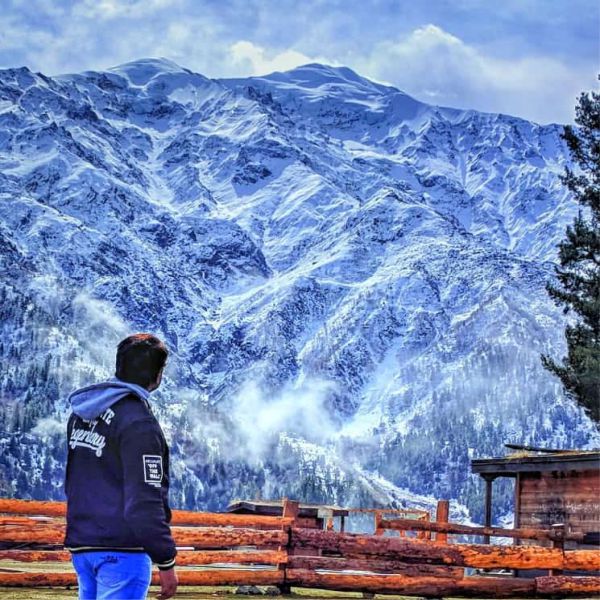
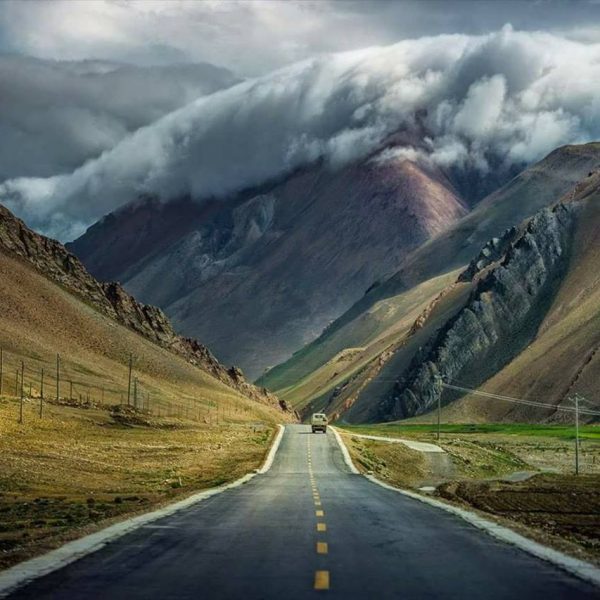
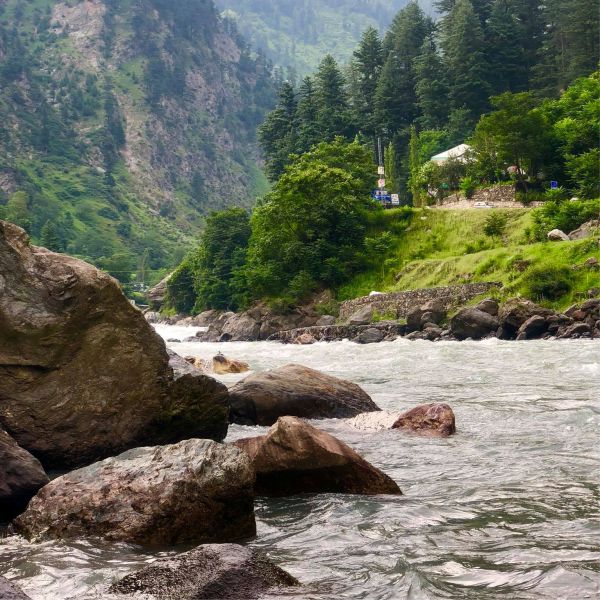
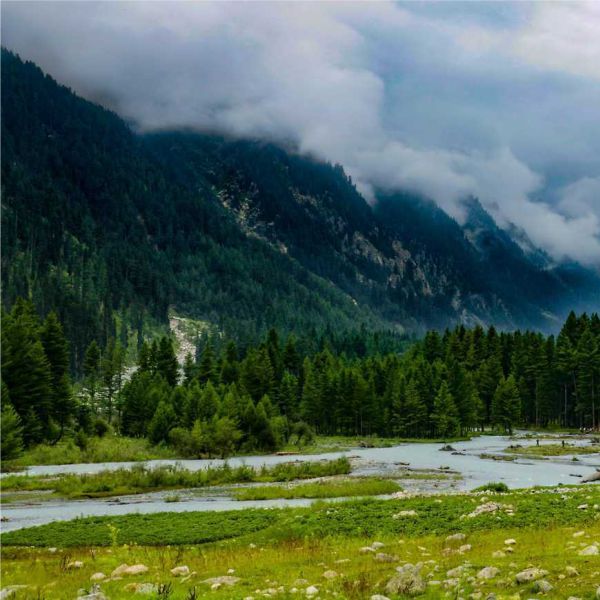
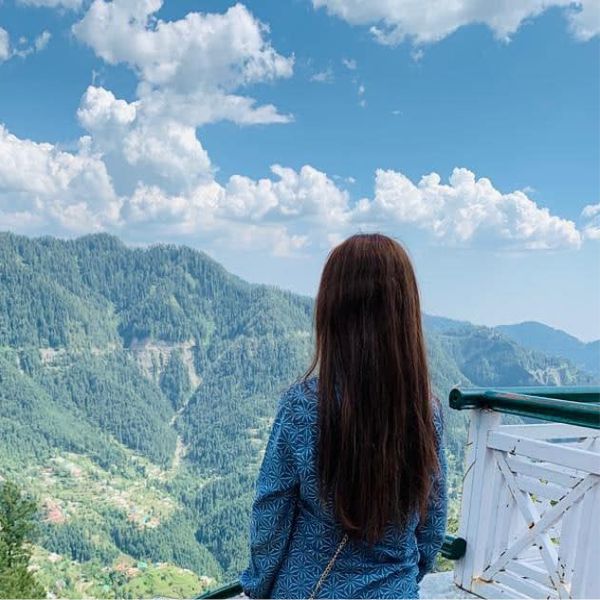
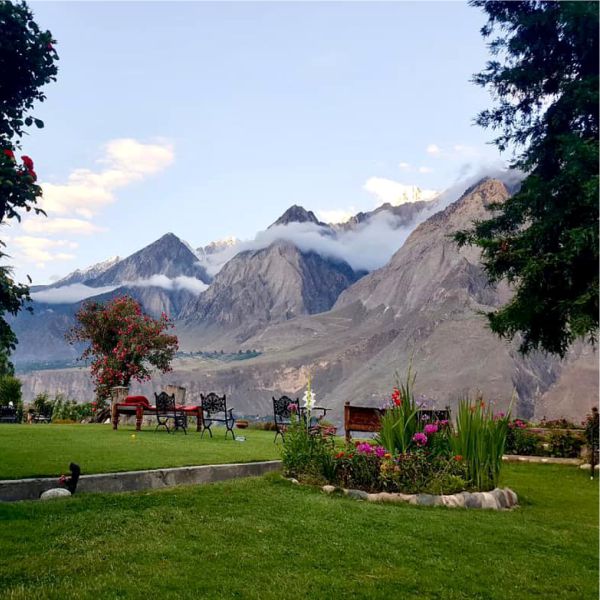
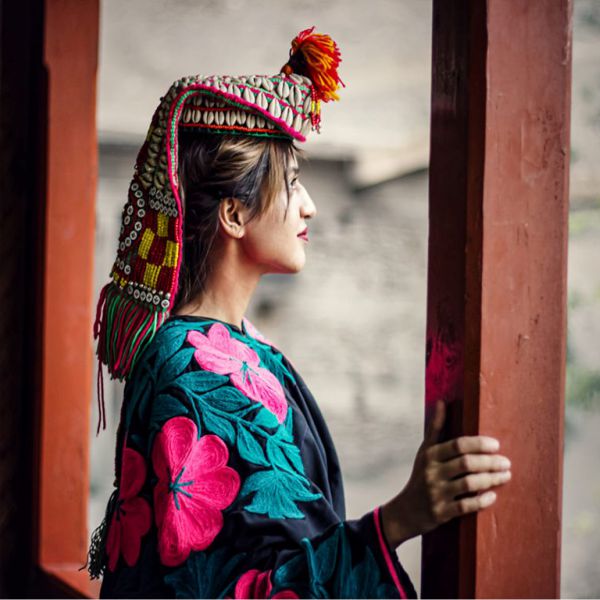
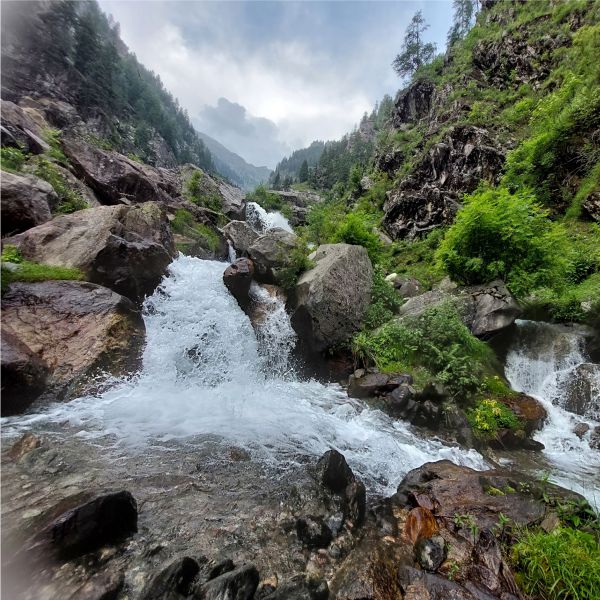
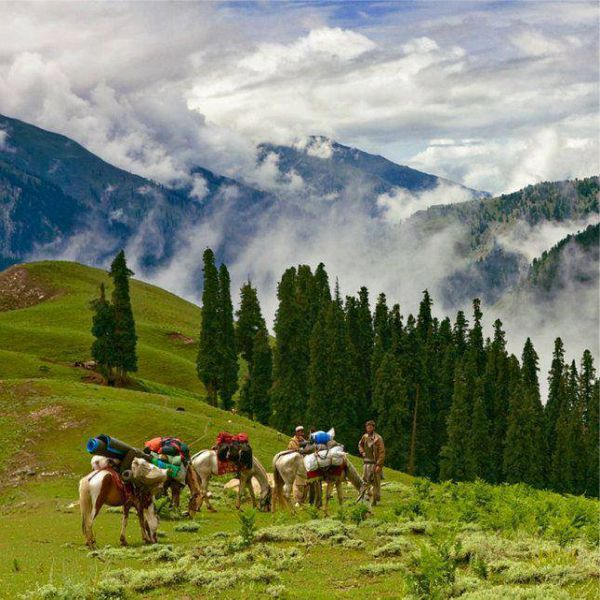
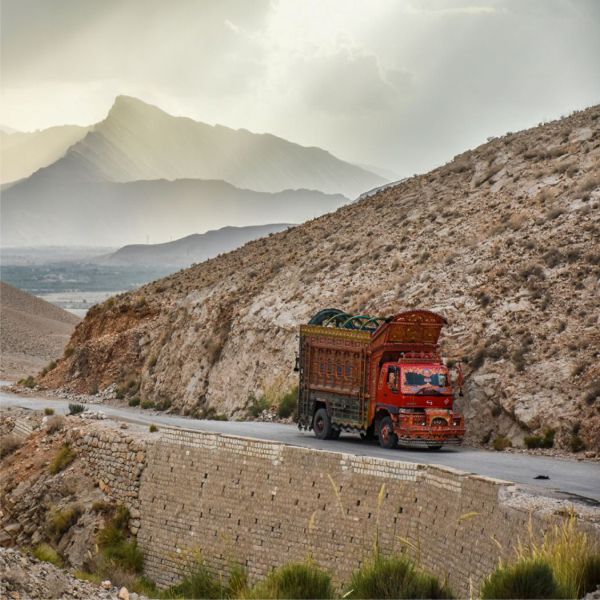
Northern Pakistan is one of the world’s last great travel frontiers, a breathtaking scenery where the Himalayas, Karakoram, and Hindu Kush mountain ranges converge to create landscapes so stunning they seem almost unreal. From the turquoise waters of Attabad Lake to the snow-capped peaks surrounding Fairy Meadows, the tourist attractions in Northern Pakistan offer experiences that rival—and often surpass—those available anywhere else on Earth.
Whether you’re an adventure seeker planning to trek to the K2 base camp, a culture enthusiast eager to explore centuries-old traditions, a photographer in search of the perfect mountain shot, or a family looking for serene retreats amidst nature’s splendor, the best places to visit in Northern Pakistan promise unforgettable memories that will last a lifetime. Select our customized tours to Pakistan, which include all-inclusive travel services.
This comprehensive guide highlights the top 20 must-visit destinations in Northern Pakistan for 2026, complete with practical travel tips, the best times to visit, and expert insights to help you plan your ultimate northern adventure.
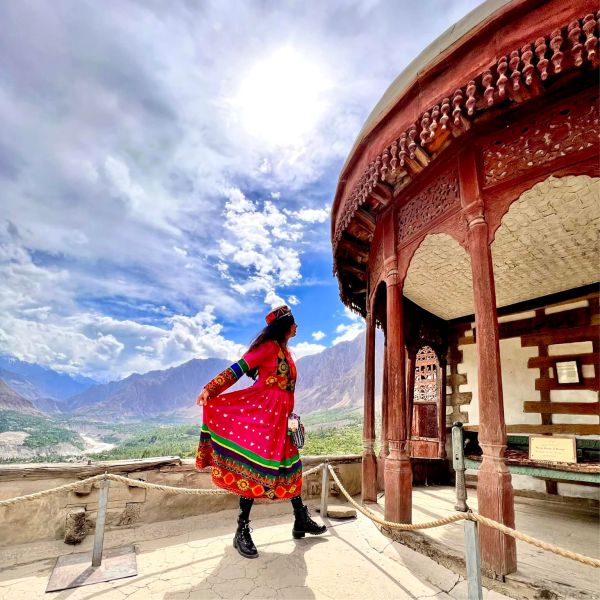
Hunza Valley is Pakistan’s most famous tourist destination for compelling reasons. This mountain paradise, located along the ancient Silk Road, offers a perfect blend of natural beauty, rich history, and warm hospitality. The valley’s stunning landscapes change dramatically with the seasons: spring brings vibrant cherry blossoms, summer boasts lush green terraced fields, and autumn transforms the landscape into a golden spectacle.
Travel Tip: Base yourself in Karimabad for 3-4 days to fully explore the treasures of Hunza Valley without feeling rushed.
Are you ready to experience the magic of Hunza Valley? Visit TripMaker.pk for expertly crafted Hunza tour packages that cover all major attractions, offer comfortable accommodations, experienced guides, and seamless logistics.
Skardu serves as the base camp for treks to K2, the world’s second-highest mountain. However, you don’t need to be a mountaineer to appreciate the stunning beauty of this region. The town is surrounded by pristine lakes that reflect snow-capped peaks, ancient forts that share historical tales, and valleys that showcase the artistry of nature.
Fairy Meadows earned its enchanting name from German climbers who dubbed this alpine paradise “märchenwiese” (fairy tale meadow). Located at the base of Nanga Parbat (8,126 meters), the world’s ninth-highest peak, nicknamed “Killer Mountain,” Fairy Meadows offers one of Pakistan’s most dramatic mountain viewpoints.
The adventure begins with a thrilling jeep ride on one of the world’s most dangerous roads, followed by a scenic 3-4 hour trek through pine forests and meadows. While challenging, the journey itself becomes a memorable experience.
Camping under star-filled skies, with Nanga Parbat’s massive south face towering overhead, creates a spiritual connection with nature that few places can match. The sunrise illuminating the mountain in golden-pink hues is a sight that justifies every challenging step taken.
Pro Tip: Book accommodations (cottages or campsites) in advance during peak season (June to August), as options fill quickly.
Naran and Kaghan Valley represent Northern Pakistan’s most accessible tourist destination, offering spectacular alpine scenery without requiring extreme trekking. The 150-kilometer valley follows the Kunhar River and passes through pine forests, meadows, and dramatic mountain landscapes.
Things to do: Hiking, horse riding, trout fishing, boating, camping, and fully immersing yourself in the mountain atmosphere.
If you’re planning a Naran and Kaghan adventure, TripMaker.pk offers Naran tour packages that include travelling, comfortable hotels, and optional excursions to Babusar Pass with experienced mountain drivers.
Once favored by the British as “the Switzerland of the East,” the Swat Valley has regained its status as one of Pakistan’s premier tourist destinations after overcoming years of security challenges. The valley’s lush forests, crystal-clear rivers, snow-capped peaks, and rich Buddhist heritage offer diverse attractions for visitors.
Swat’s ancient Buddhist heritage, evident in numerous archaeological sites, adds historical depth to its natural beauty.
Chitral is unique for its Kalash Valley, home to the Kalash people, one of Asia’s smallest and most distinctive indigenous communities. Their pre-Islamic animist traditions, vibrant festivals, and unique culture offer experiences unlike any other in Pakistan.
Chilam Joshi (Spring), Uchao (Summer), and Choimus (Winter)—colorful celebrations featuring traditional dances, music, and rituals.
Respect: When visiting the Kalash valleys, dress modestly, ask permission before photographing people, and respect the traditions and spaces of this unique culture.
Neelum Valley, which runs alongside the Neelum River for 144 kilometers, boasts Kashmir’s most spectacular scenery. Named after the river’s blue-green color, the landscape features emerald meadows, sapphire skies, and pristine forests.
Adventure: The valley provides excellent opportunities for trekking, trout fishing, and exploration for those seeking active experiences.
Deosai is famously known as one of the world’s highest plateaus, where the landscape unfolds into endless rolling golden-brown meadows, dotted with wildflowers and glacial streams. The name “Deosai” translates to “Land of Giants,” reflecting both the immense scale of the landscape and the presence of the Himalayan brown bears that inhabit these heights.
Wildlife: The park is home to approximately 300 Himalayan brown bears, along with Himalayan ibex, red foxes, golden marmots, and numerous bird species, including golden eagles.
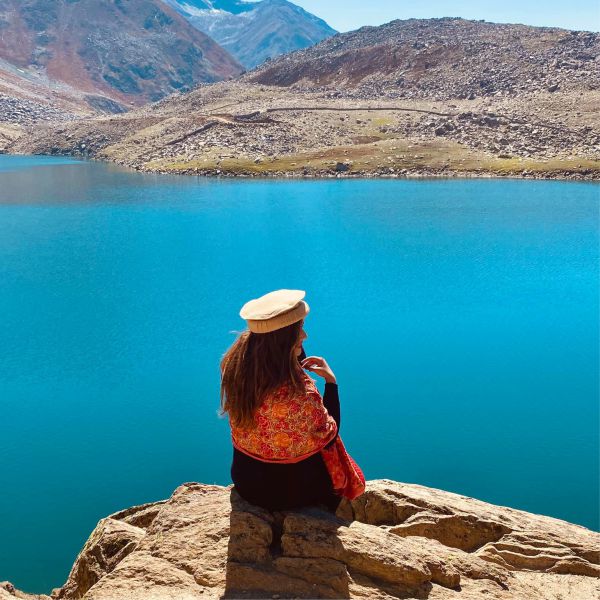
Sheosar Lake: Often considered the park’s crown jewel, this pristine alpine lake mirrors the surrounding mountains in its impossibly clear waters.
There is no permanent accommodation available in Deosai; visitors must either camp or make day trips from Skardu or Astore. It is essential to carry warm layers, as the weather can change rapidly at this altitude.
Attabad Lake emerged from a tragic event in 2010, when a massive landslide blocked the Hunza River. Since then, it has become one of Pakistan’s most photographed destinations. The 21-kilometer-long reservoir is renowned for its vividly turquoise color, produced by glacial silt, creating a stunning contrast with the surrounding barren mountains.
Why Visit: In addition to its breathtaking beauty, Attabad Lake offers many water sports, lakeside cafés serving Hunza cuisine, and the iconic Karakoram Highway, allowing visitors to enjoy views from both land and water.
Photography Tips: To capture the lake’s magical color, visit during golden hours—early morning or late afternoon—when the light enhances its vivid turquoise hue.
Khunjerab Pass is the highest paved border crossing, connecting Pakistan and China via the Karakoram Highway. The journey to this high-altitude wonder showcases increasingly dramatic landscapes, offering spectacular mountain views and opportunities for wildlife sightings.
Rama Meadows present stunning views of Nanga Parbat from a different perspective than Fairy Meadows. And offer easier access with beautiful camping opportunities surrounded by pine forests. The meadows serve as a base for several trekking routes and offer breathtaking sunset views over Nanga Parbat.
This beautiful alpine lake needs a 2-3 hour trek from the meadows and is surrounded by wildflowers during the summer months.
Naltar Valley is renowned for its three differently colored lakes, which result from varying mineral compositions. This stunning valley offers opportunities for summer trekking and winter skiing, with dense pine forests and a dramatic mountain backdrop contributing to its year-round beauty.
Unique Feature: Each of Naltar’s three lakes showcases a distinct color—one appears green, another blue, and the third a beautiful turquoise—making it a natural wonder that photographers and nature lovers find irresistible.
Shigar Valley is the traditional gateway for K2 expeditions, but it offers rich cultural experiences even for those who are not mountaineers. The restored Shigar Fort, now a heritage hotel, showcases traditional Balti architecture and warm hospitality.
Visitors can explore ancient and intricate mosque woodwork, visit traditional Balti homes, and observe centuries-old irrigation systems still in use today.
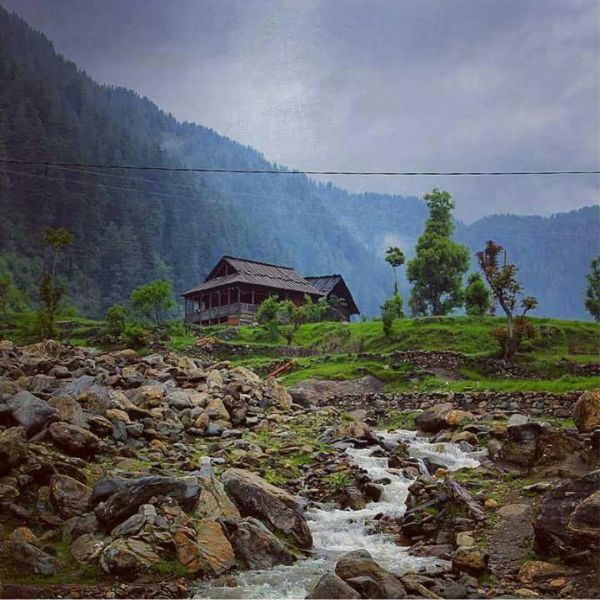
Despite its stunning landscapes that rival more famous destinations, Kumrat Valley remains relatively undiscovered. This valley features lush deodar forests, crystal-clear rivers, and challenging treks that lead to high-altitude lakes, providing an authentic mountain experience.
A challenging 2-3 day trek leads to a breathtaking glacial lake situated at over 4,000 meters elevation, suitable for serious trekkers.
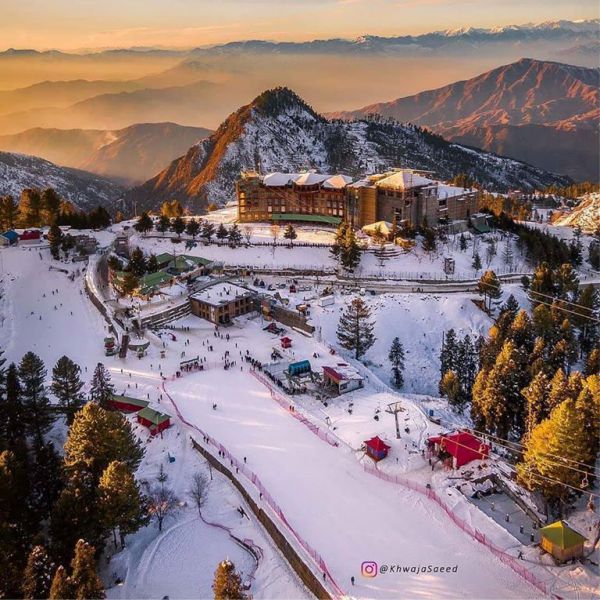
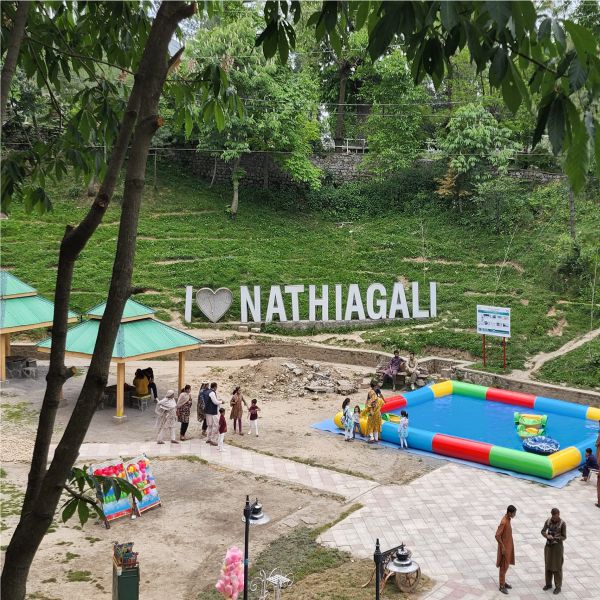
While less dramatic than northern valleys, Murree is Pakistan’s most accessible hill station, located just 2 hours from Islamabad. The town boasts a colonial-era charm, pleasant summer weather, winter snowfall, and a range of family-friendly activities.
This area features Pakistan’s longest chairlift ride, offering stunning aerial views of pine forests and the surrounding hills.
Astore Valley offers the southern approach to Nanga Parbat and provides access to its Rupal Face, the world’s highest mountain face, which rises 4,600 meters from base to summit. The valley offers a quieter experience compared to better-known destinations.
The Upper Hunza region, also known as Gojal, offers more remote and adventurous experiences compared to the Lower Hunza region. The famous Hussaini Suspension Bridge, known as one of the world’s most dangerous bridges, attracts thrill-seekers, while the dramatic mountain scenery of the Passu Peaks captivates photographers.
Trekking to Passu Glacier, crossing challenging bridges, exploring Wakhi villages, and immersing yourself in authentic mountain culture.
Minimarg offers true off-the-beaten-path travel in northern Pakistan, characterized by minimal tourist infrastructure and spectacular scenery. Travelers seeking solitude and authentic mountain experiences will find Minimarg’s remote beauty worth the challenging journey.
Requires 4×4 vehicles and sometimes special permissions; it’s best to arrange your visit through experienced tour operators.
While technically part of Skardu attractions, Shangrila deserves special mention as Pakistan’s most famous resort. The distinctive red-roofed restaurant, built on an old airplane, provides Instagram-worthy photographs, while the surrounding lake and gardens offer peaceful retreats.
Stay at the resort for the full Shangrila experience, with comfortable rooms overlooking the lake and mountains.
The Karakoram Highway (KKH) is not just a route connecting destinations; it is a tourist attraction. This engineering marvel, built through some of Earth’s most challenging terrain, offers continuously spectacular scenery, including mountain views, river gorges, glaciers, and diverse landscapes.
Sightseeing Stopovers: Besham, Chilas (Indus River viewpoints), Rakaposhi viewpoint, Gilgit, various spots in Hunza, leading to Khunjerab Pass.
Travel Tip: Break the journey with overnight stops to avoid fatigue and fully enjoy the scenery; rushing through can diminish the experience.
This is the peak season, offering the best weather, full accessibility, and all facilities in operation. Expect to encounter crowds at popular destinations.
This season offers breathtaking cherry blossoms in Hunza, a blooming of wildflowers, pleasant temperatures, and fewer tourists compared to the summer season.
Enjoy stunning fall colors, clear skies, and comfortable temperatures.
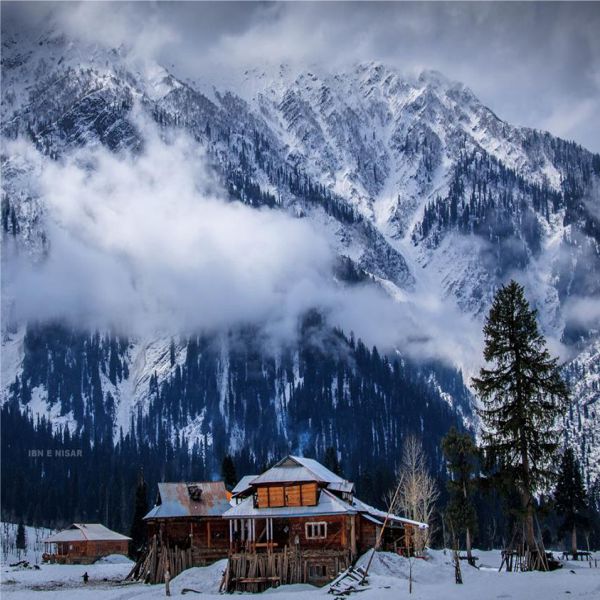
Many high-altitude areas become inaccessible during winter. However, lower valleys like Swat and Murree offer beautiful snow experiences.
Layered Clothing: Mountain weather can change rapidly, so it’s important to dress in layers.
Sturdy Shoes: For trekking and navigating uneven terrain.
Sun Protection: The high-altitude sun can be quite intense.
Warm Layers: Even chill weather on summer nights.
Camera Equipment: Capture the stunning scenery, so don’t forget your camera.
Cash: ATMs are scarce in remote areas, so bring enough cash.
First Aid Kit: Include medication for altitude sickness.
Power Bank: Charging facilities may be limited in remote locations.
Altitude Awareness: Many destinations exceed 3,000 meters, where altitude sickness can happen. Ascend gradually, stay hydrated, and be aware of symptoms.
Security: Northern Pakistan is generally safe for tourists, known for its hospitable locals. Always follow standard travel precautions and check current conditions for remote areas.
While independent travel in Northern Pakistan is possible, the complex logistics, challenging terrain, and remote locations make professional tour operators invaluable—especially for first-time visitors.
TripMaker.pk, the best tour operator and a recognized leader in the northern area of Pakistan, offers adventures and simplifies complicated planning into seamless experiences. Here’s why travelers choose TripMaker.pk:
Affordable Packages: They offer complete tours of northern Pakistan, covering multiple destinations with flexible itineraries customizable to your interests and timeframe.
Local Expertise: Their experienced guides know every trail, understand weather patterns, and share interesting stories about culture, history, and legends.
Safety First: They provide proper 4×4 vehicles for mountain roads, staff trained in first aid, emergency protocols, and communication systems, along with comprehensive insurance coverage and weather monitoring with contingency planning.
Hassle-Free Logistics: All necessary permits and permissions are arranged, accommodations are of high quality, transportation is comfortable with experienced drivers, meals include local specialties, and activity arrangements (like trekking and boating) are all taken care of.
Sustainable Tourism: We are committed to environmental conservation, supporting local communities, and promoting responsible tourism that preserves the natural and cultural heritage of Northern Pakistan.
Value of Money: We offer competitive pricing that includes everything you need, eliminating surprise costs and allowing you to focus entirely on experiencing the wonders of Northern Pakistan.
Ready to explore the spectacular north of Pakistan? Visit TripMaker.pk or contact our expert team to design your perfect adventure in Northern Pakistan. Whether you are looking for a comprehensive tour covering all the top attractions or focused experiences in specific regions, TripMaker.pk creates journeys that exceed expectations.