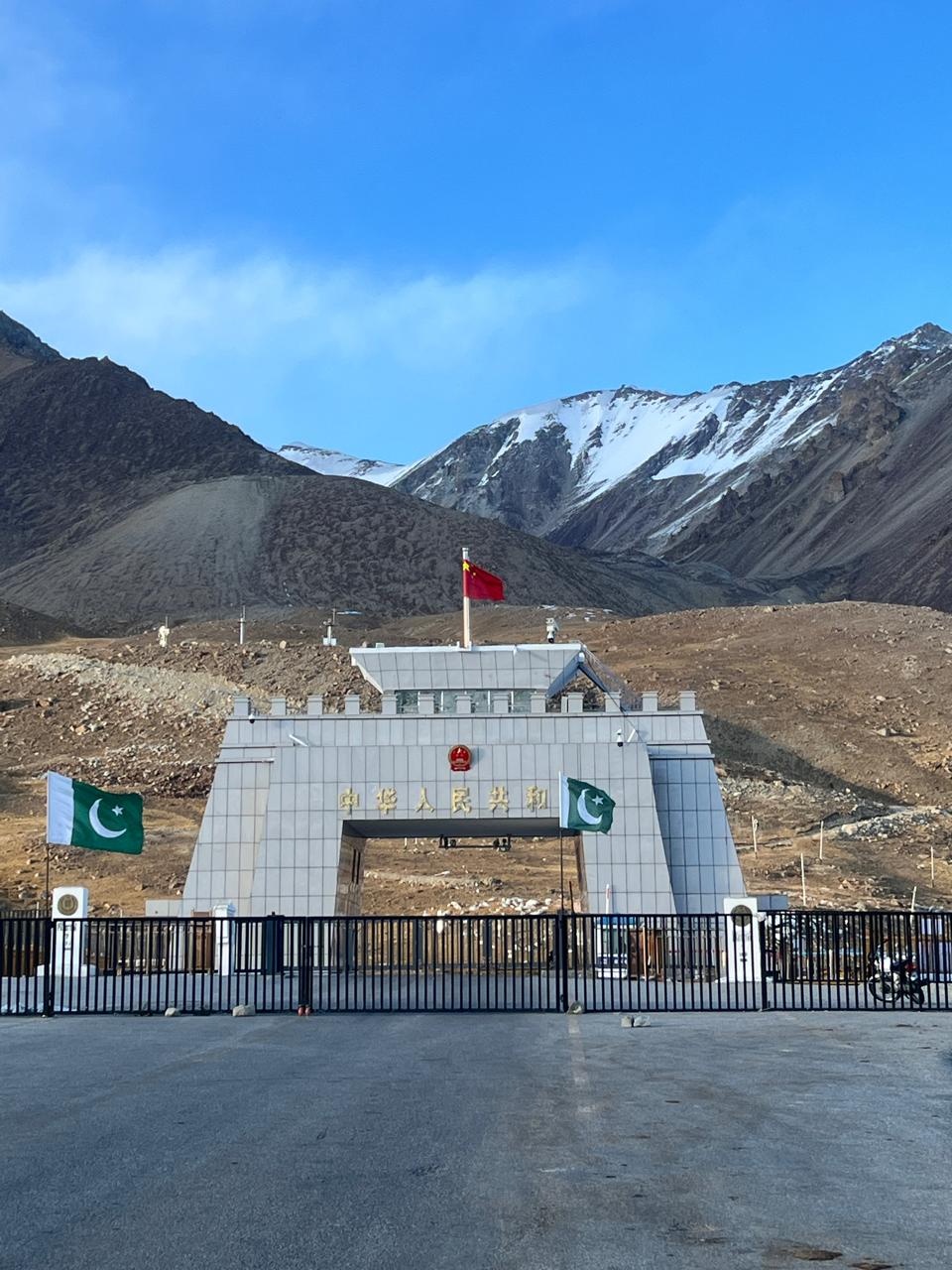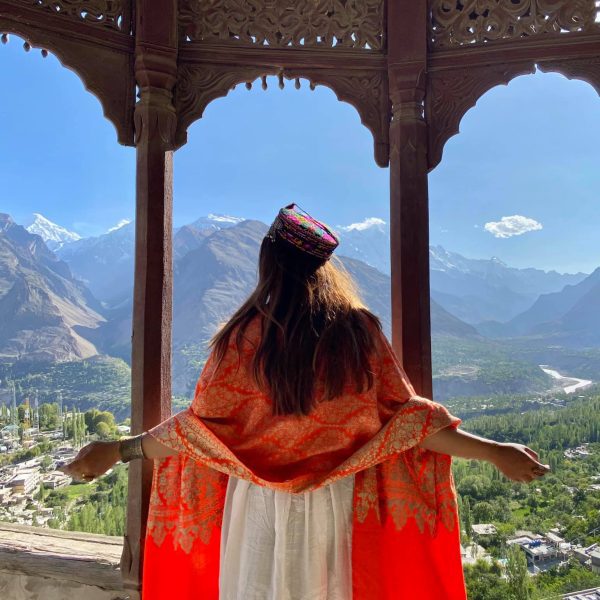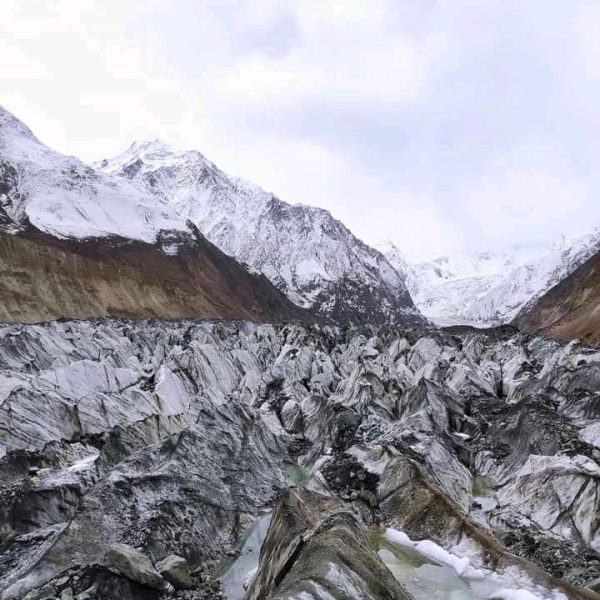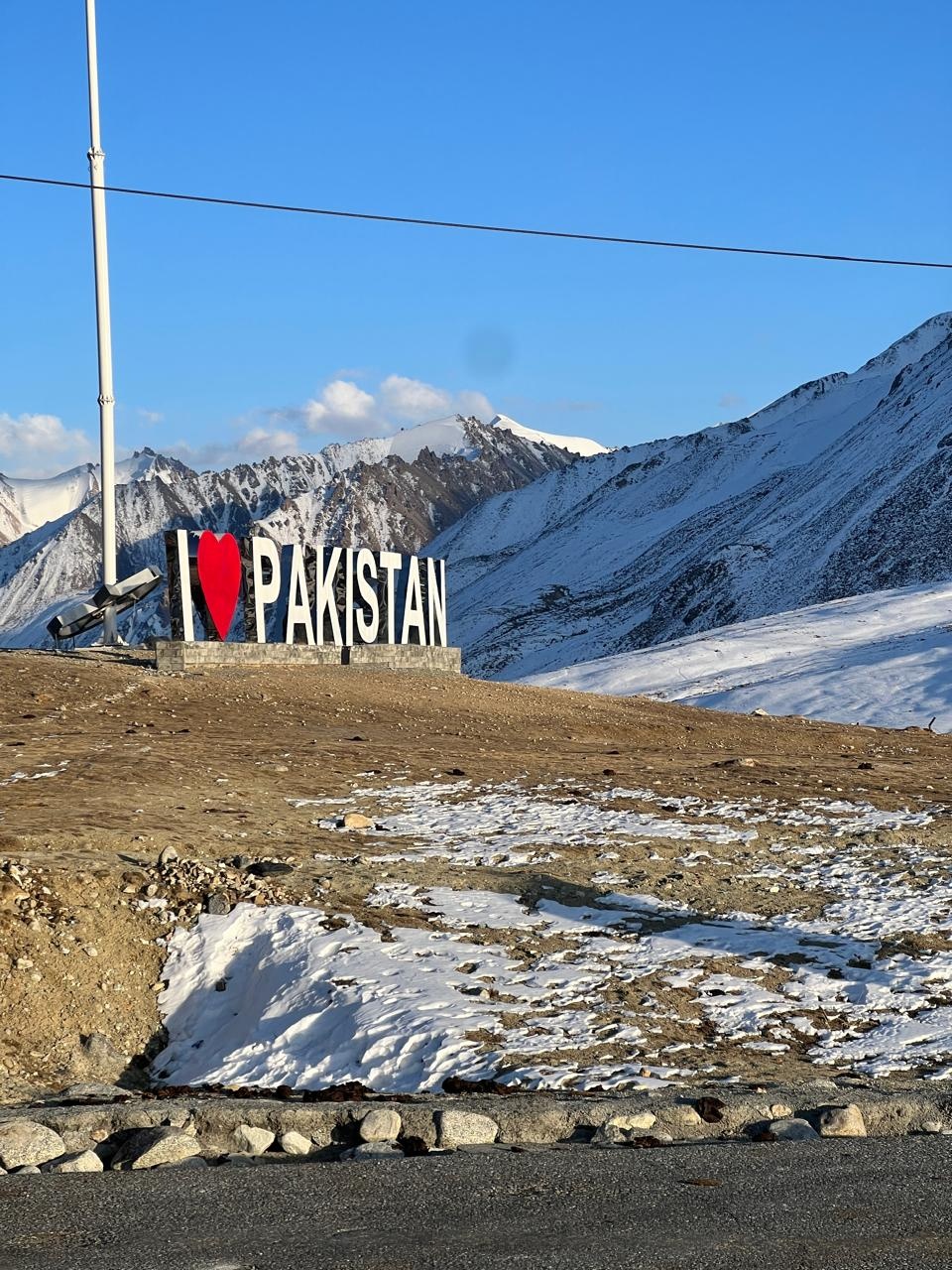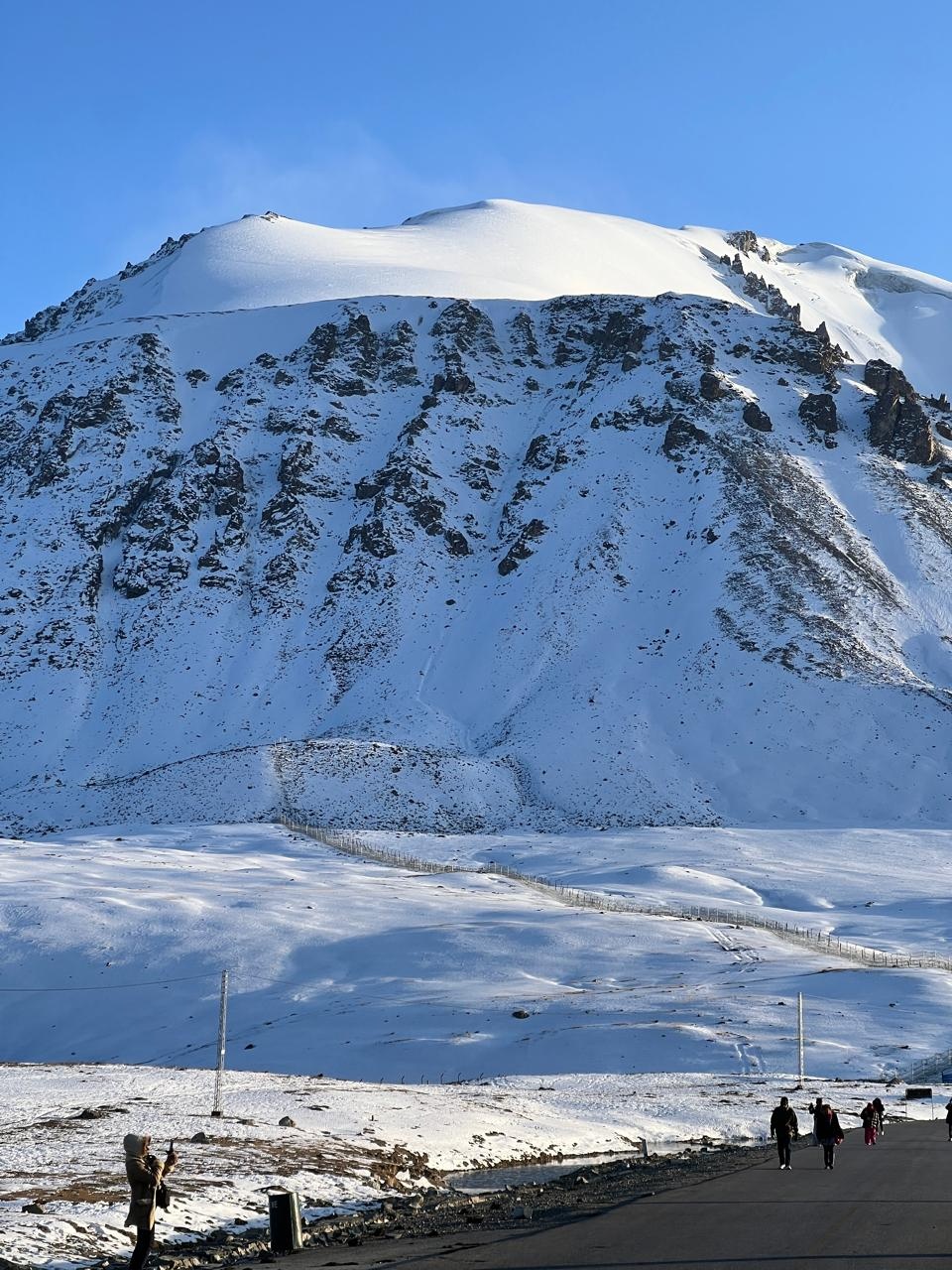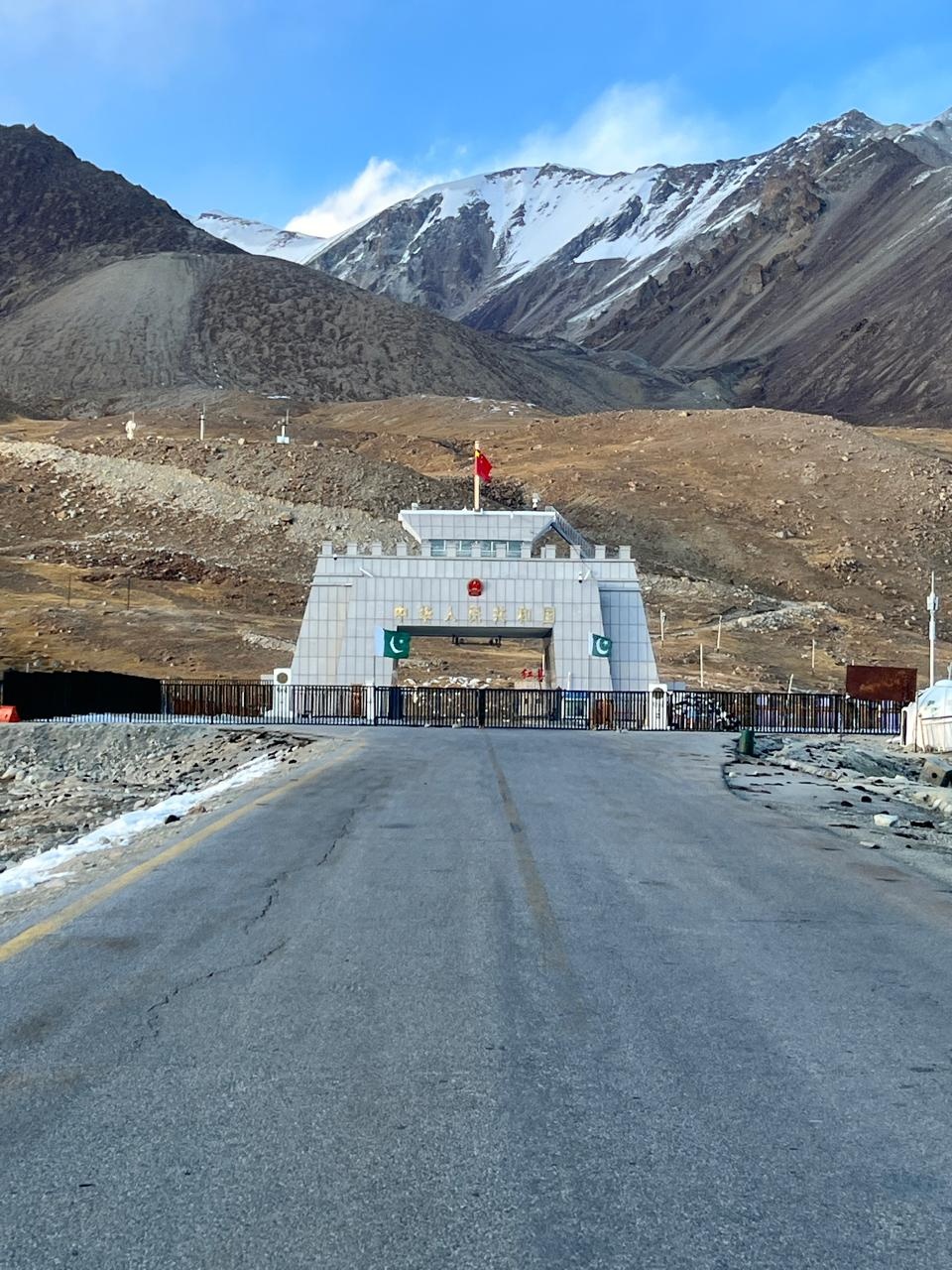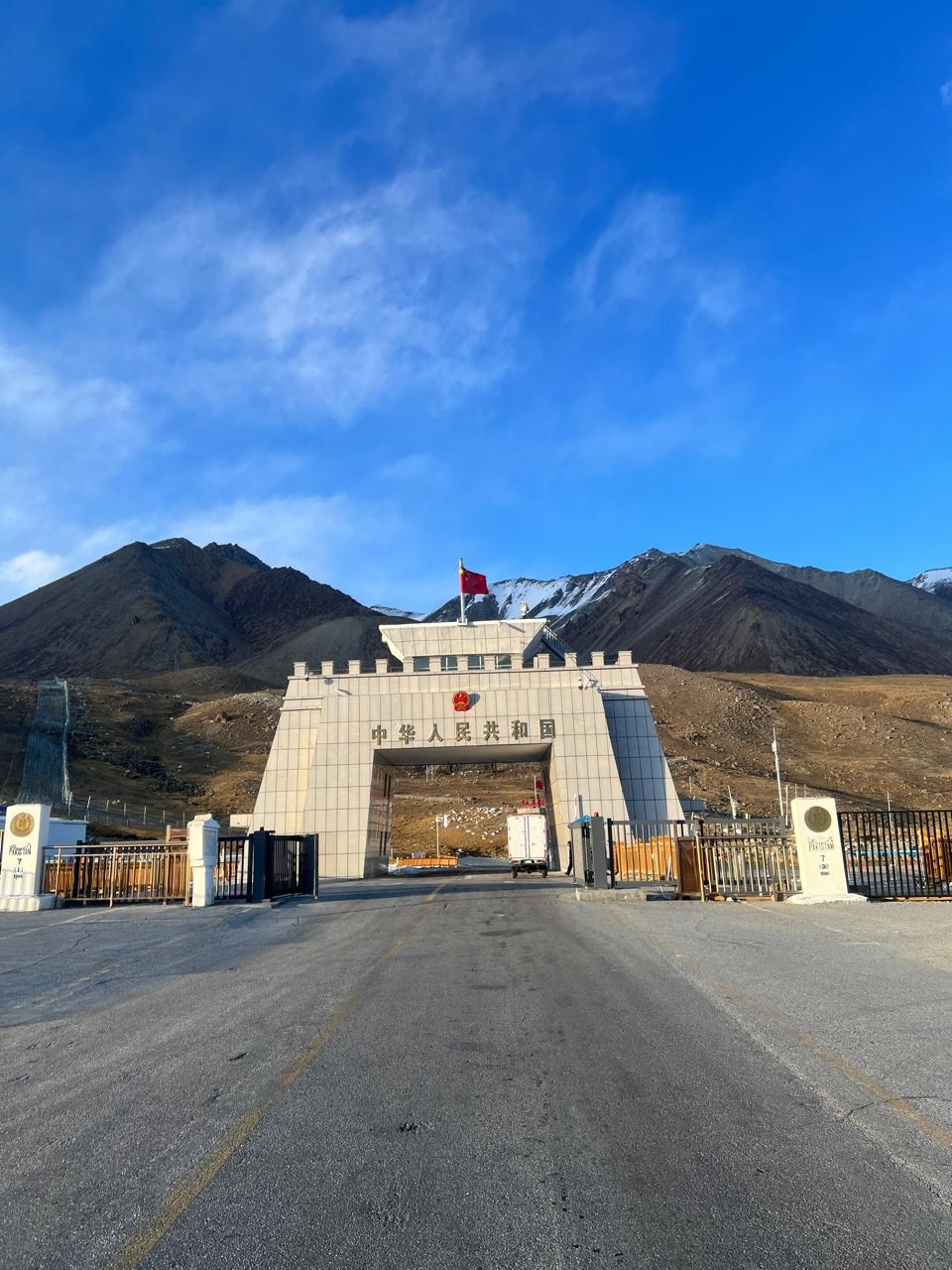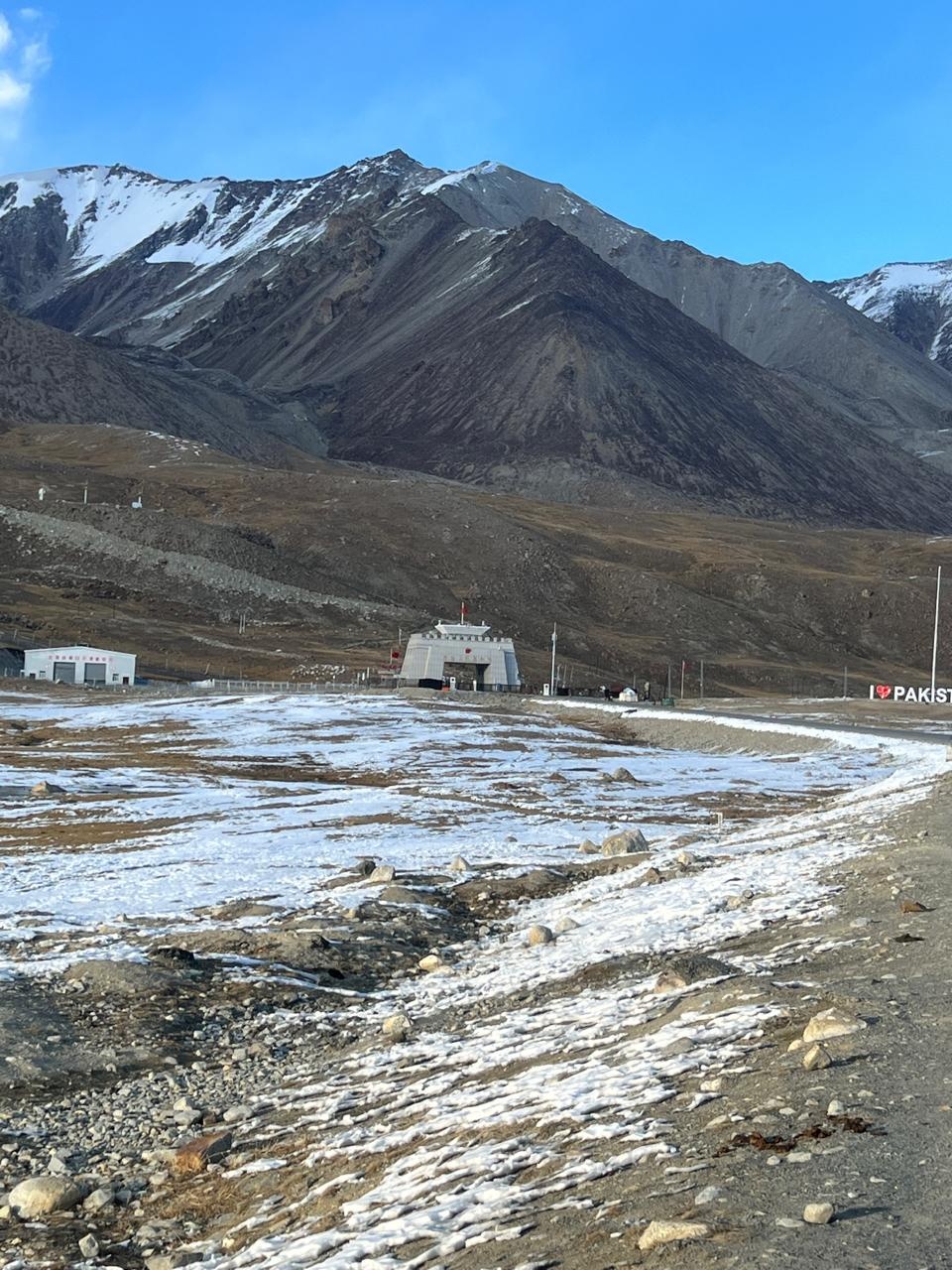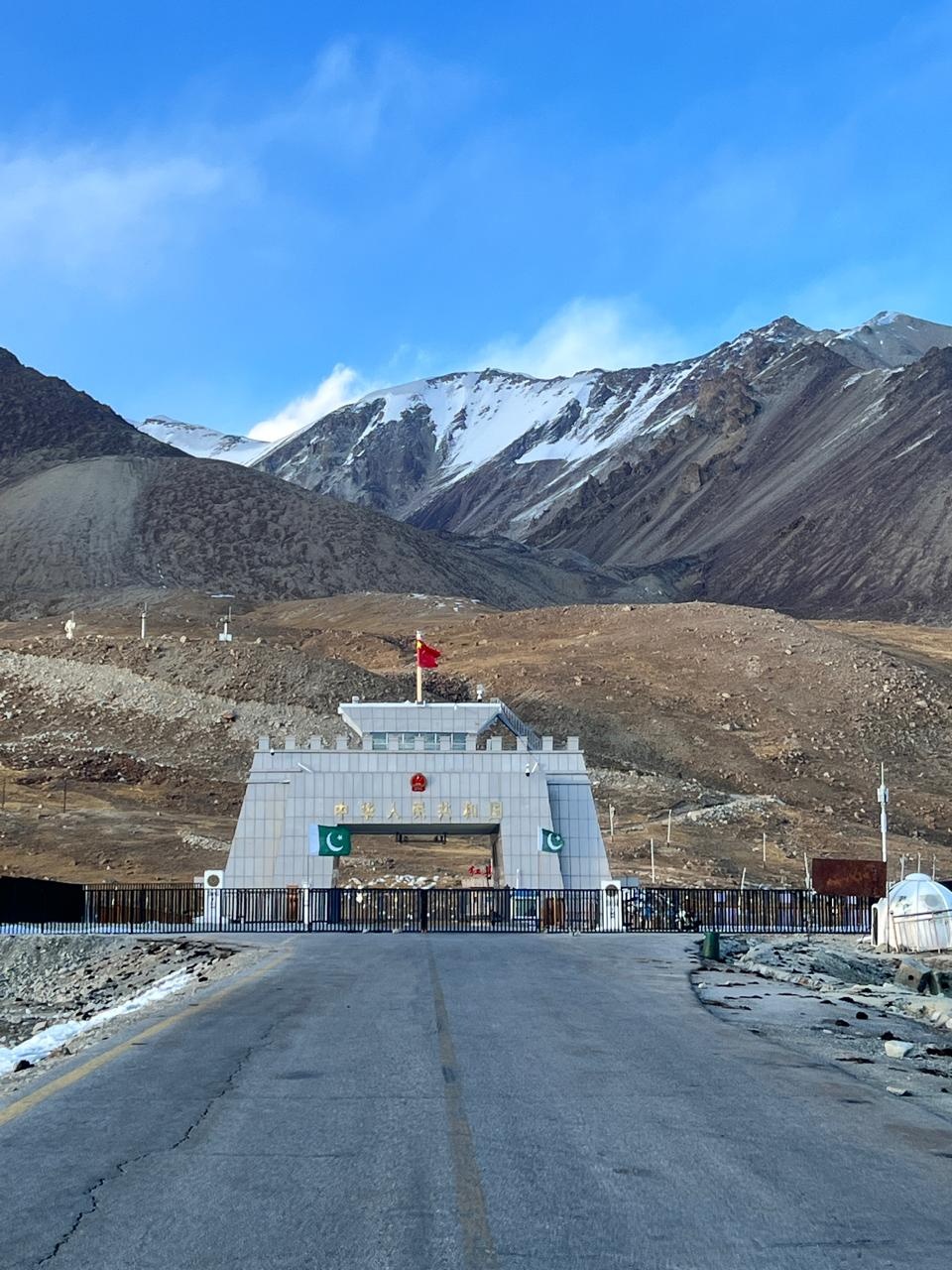
Khunjerab Pass is a vital gateway for China-Pakistan relations. This region rises from 2,800 meters at Sost to 4,693 meters at Khunjerab Pass. The valley gently ascends and is surrounded by hills. There is an open alpine habitat above the tree line. The world’s highest paved border crossing draws visitors who enjoy mountain scenery. Gilgit Baltistan is known for its mountains and rare wildlife. We offer the best Hunza Khunjerab Tour Packages at affordable prices, with all-inclusive services.
Pasu is often chosen as a base for exploring Khunjerab National Park and the border, thanks to its beauty. The area is quiet, with rugged ranges, glaciers, village communities, and walking routes. Passu is more engaging and picturesque than Sost. The road is well-maintained, so a day trip to the border is feasible. From Passu, travelers can hire taxis or private cars to reach Khunjerab Pass. Some local tour operators also offer trips to the border. Public buses do not operate directly from Passu to the border, so arranging private transport or joining a tour is recommended.
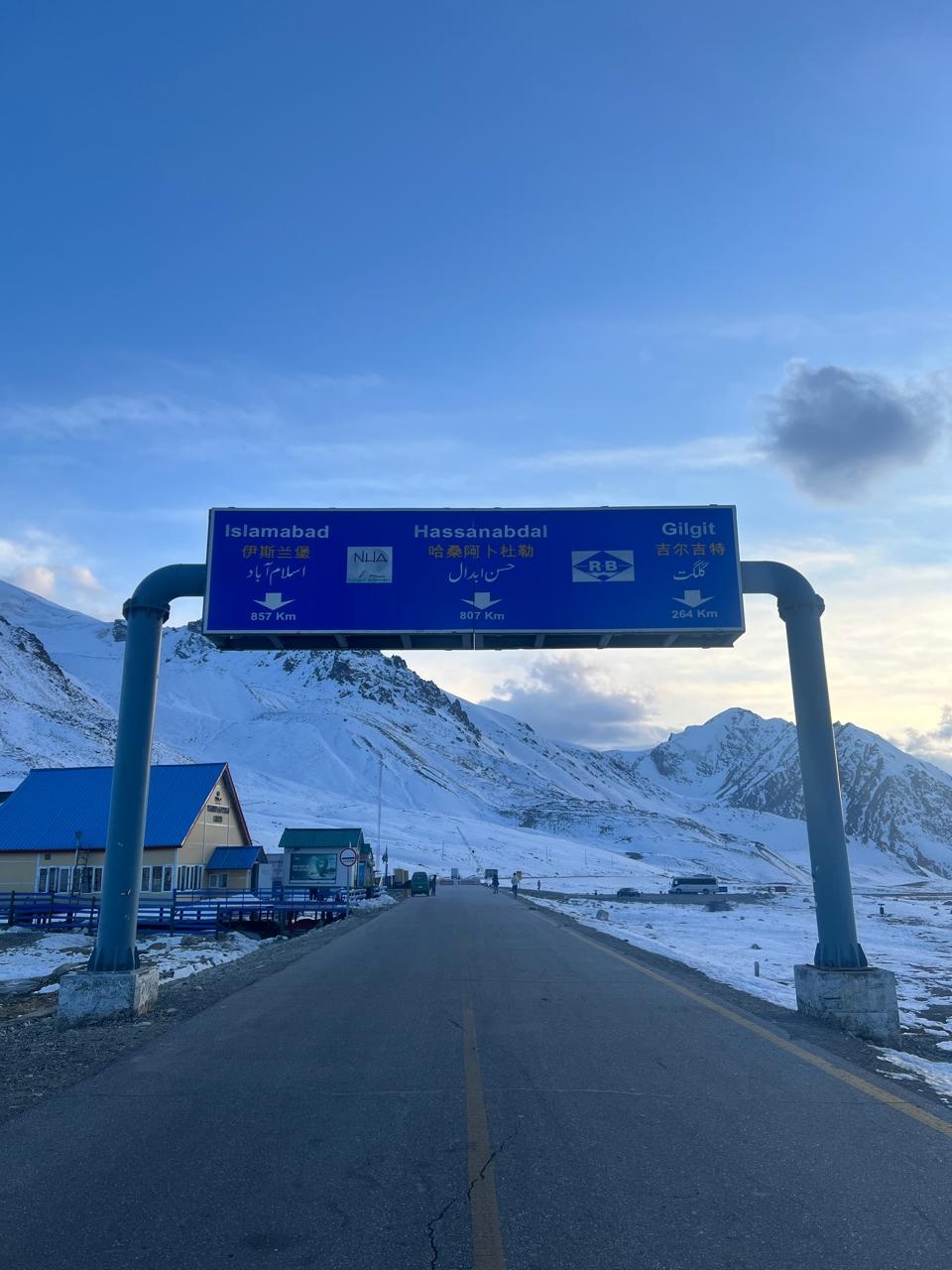
People often ask which Chinese city is nearest to Khunjerab Pass. The Karakoram Highway starts in Pakistan at Hassan Abdal in Punjab and ends in Kashgar, Xinjiang, China.
Khunjerab Pass can reach 30°C in summer. Heavy winter snowfall closes the border from November to April. Opening and closing depend on the weather, so travelers should call the highway helpline before planning a trip. For updated information about border status and road conditions, contact the Karakoram Highway Helpline at [insert helpline number here] or check the official National Highway Authority website.
The border is open Monday to Friday, 9 am to 5 pm on the Pakistani side and 11 am to 8 pm on the Chinese side (Beijing time). We offer tailor-made and group tours to Hunza and Khunjerab Pass at economical prices.
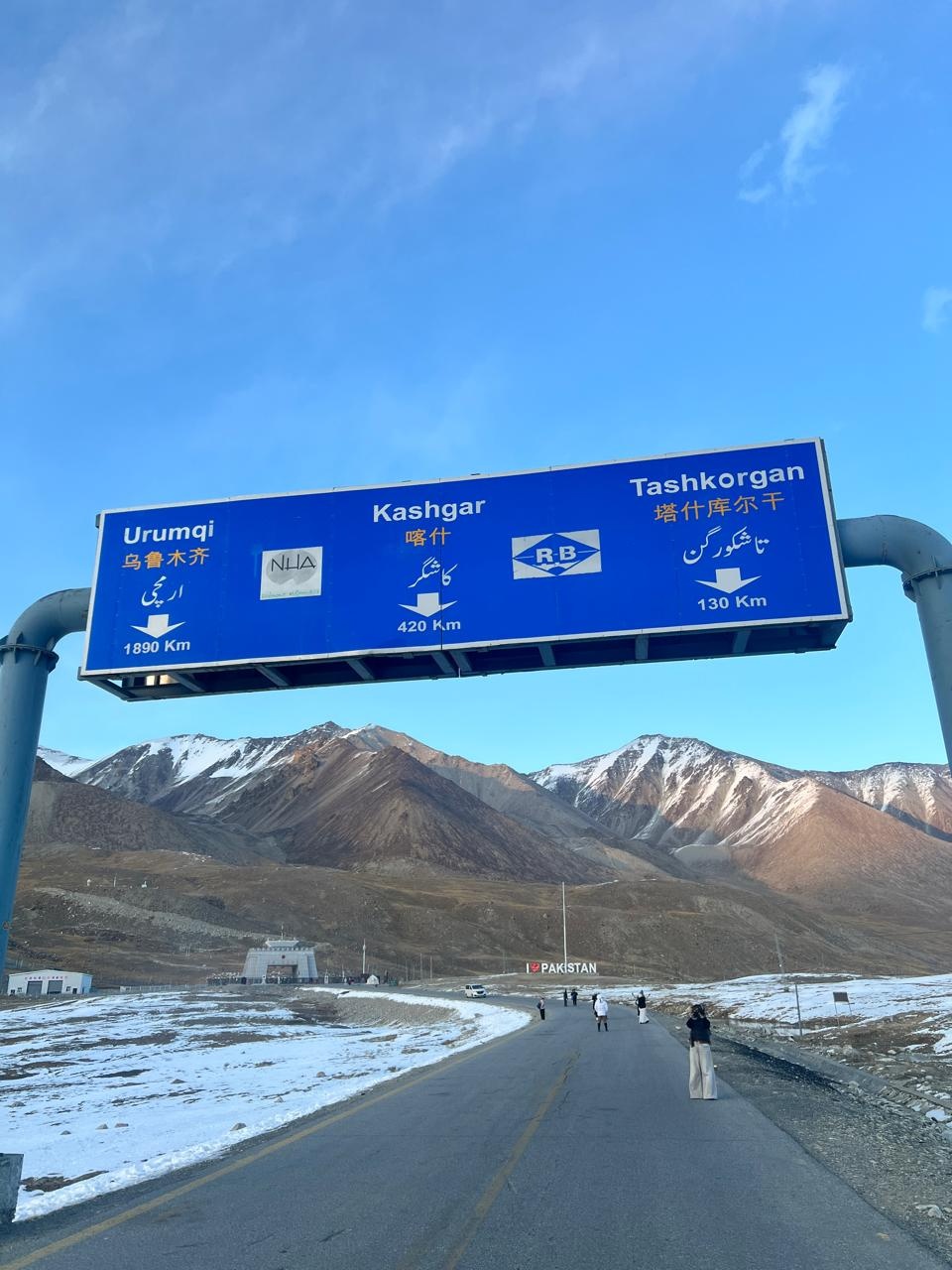
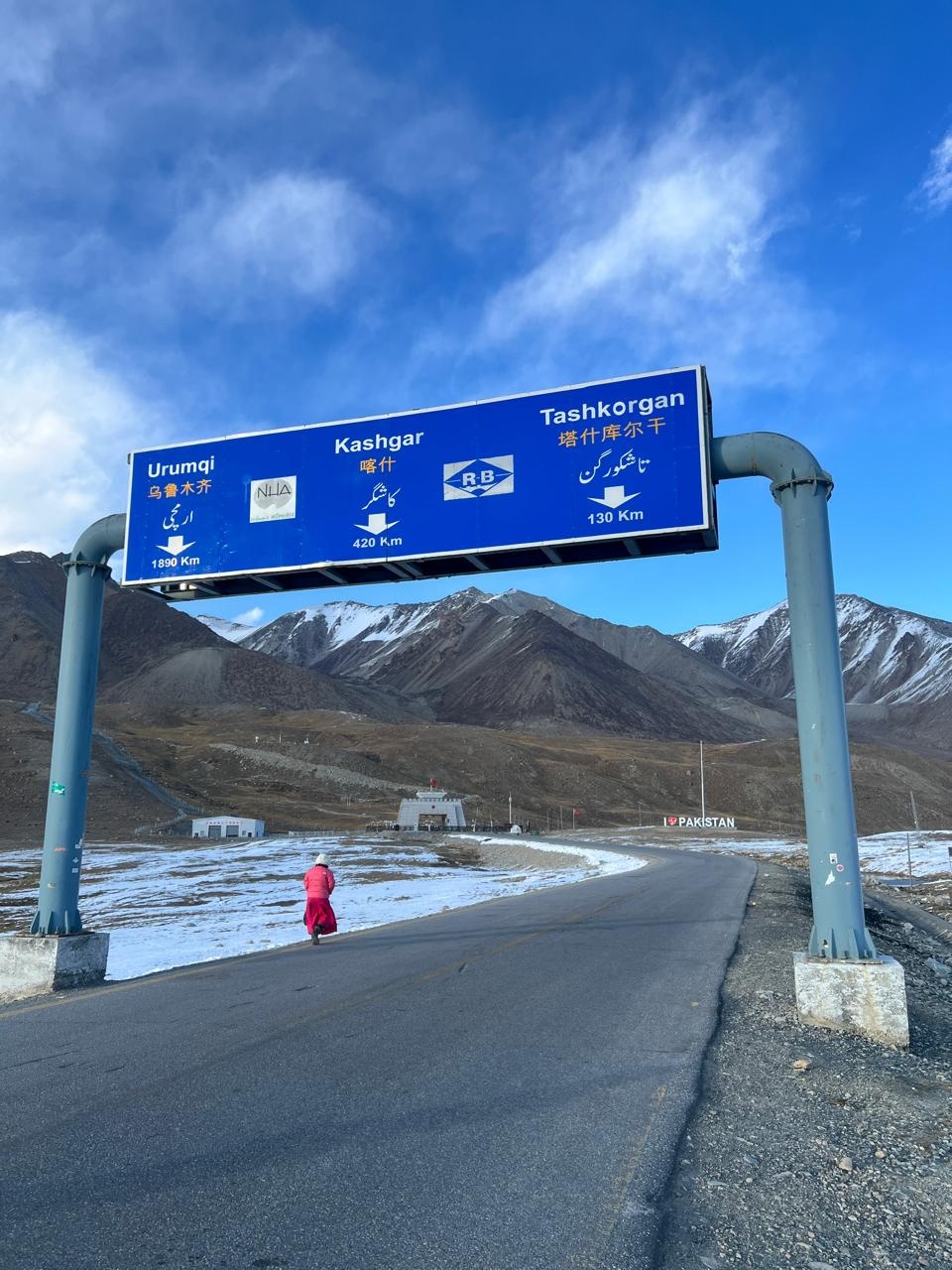
Sost is the nearest town to Khunjerab Pass on the Pakistan side and serves as a dry port. Kashgar, the closest city in China, is 1,890 kilometers away via the Karakoram Highway.
The road from Sost to the border is fully paved and mostly in excellent condition. There may be some cracks, potholes, or wear. Water or ice may appear due to snowmelt.
Remember: Public washroom facilities are available at the entry checkpoint to Khunjerab National Park.
The weather at Khunjerab National Park is unpredictable. Snow may fall at any time of year. Thick clouds and rain can appear quickly, making temperatures colder than in Passu. Do not travel in heavy rain or snow. To stay comfortable and safe, bring warm layers, a waterproof jacket, and sturdy shoes. Sun protection, such as a hat and sunscreen, is also recommended due to the high altitude. Packing gloves and a warm hat is advised, even in summer, as temperatures can drop suddenly.
Khunjerab Pass sits at 4,693 meters above sea level, and nearby peaks are even higher. Spend only about 20 minutes at the pass to reduce the risk of altitude sickness. Common symptoms of altitude sickness include headache, nausea, dizziness, shortness of breath, and fatigue. If you start to feel unwell, descend to a lower altitude and rest. Drink plenty of water and avoid strenuous activity while at high elevation.
The border crossing is open from mid-April to mid-November. Exact dates depend on the weather and snow. It is closed on weekends. Visit between Monday and Friday. On the Pakistan side, hours are 9 am to 5 pm; on the China side, 11 am to 8 pm (Beijing Time).
Pro Tip: Find the nearest fuel station in Sost.
There is an ATM at the border, often called the highest in the world. Do not rely on this ATM for cash as it is not always functional or may run out of money. Sost has more ATMs and money exchange services, but these can also be unreliable. To avoid being stranded without money, bring enough cash with you from major cities. You can also use money changers in Sost to exchange currency before heading to Khunjerab Pass.
Border customs processing takes place in Sost, where carnet papers and passports are checked for passage. At Khunjerab Pass, there is only a small checkpoint for crossing.
All travelers must stop at the entry point to Khunjerab National Park. The entry fee is $40 USD for foreigners and 500 rupees for locals, sparking discussion. Buy tickets in the office and pay in cash.
Local buses are available for the border crossing for those without private transport or tours. There is no public transport for visitors who only want to visit the border or the park. Hire a local car from Sost Village if needed. Local drivers usually wait near the main bazaar, the bus stop, or at hotel entrances in Sost. You can approach them directly to negotiate a price, or ask your hotel or guesthouse to help arrange a trusted driver. Rates may vary depending on the vehicle, group size, and distance to the border, so it is best to agree on the fare before starting your trip.
The drive from Taskurgan to Khunjerab Pass was visually striking. The pass, at 4,693 meters, is considered the highest in the world and connects China with Pakistan. We were only able to reach the demilitarisation zone checkpoint, as access to the actual border has reportedly been blocked since the beginning of this year, according to Uighur Tours. Along this stretch of road, travelers encounter a newly constructed processing office for access to Tajikistan and a turnoff toward Afghanistan. The route features numerous marmots, several abandoned vehicles, and occasional flocks of sheep or herds of cattle crossing the road. The landscape is often barren, with vivid mountain colors, isolated stone Tajik homes, and prominent snow-capped peaks. I am eager to experience the Pakistan side of this route in the future.
The Khunjerab Pass is the highest paved international border crossing in the world and represents the highest point on the Karakoram Highway. The roadway across the pass was completed in 1982, replacing the unpaved Mintaka and Kilik Passes as the main route across the Karakoram Range.
On the Pakistani side, the pass is located 42 km (26 mi) from the National Park station and checkpoint in Dih, 75 km (47 mi) from the customs and immigration post in Sost, 270 km (170 mi) from Gilgit, and 870 km (540 mi) from Islamabad.
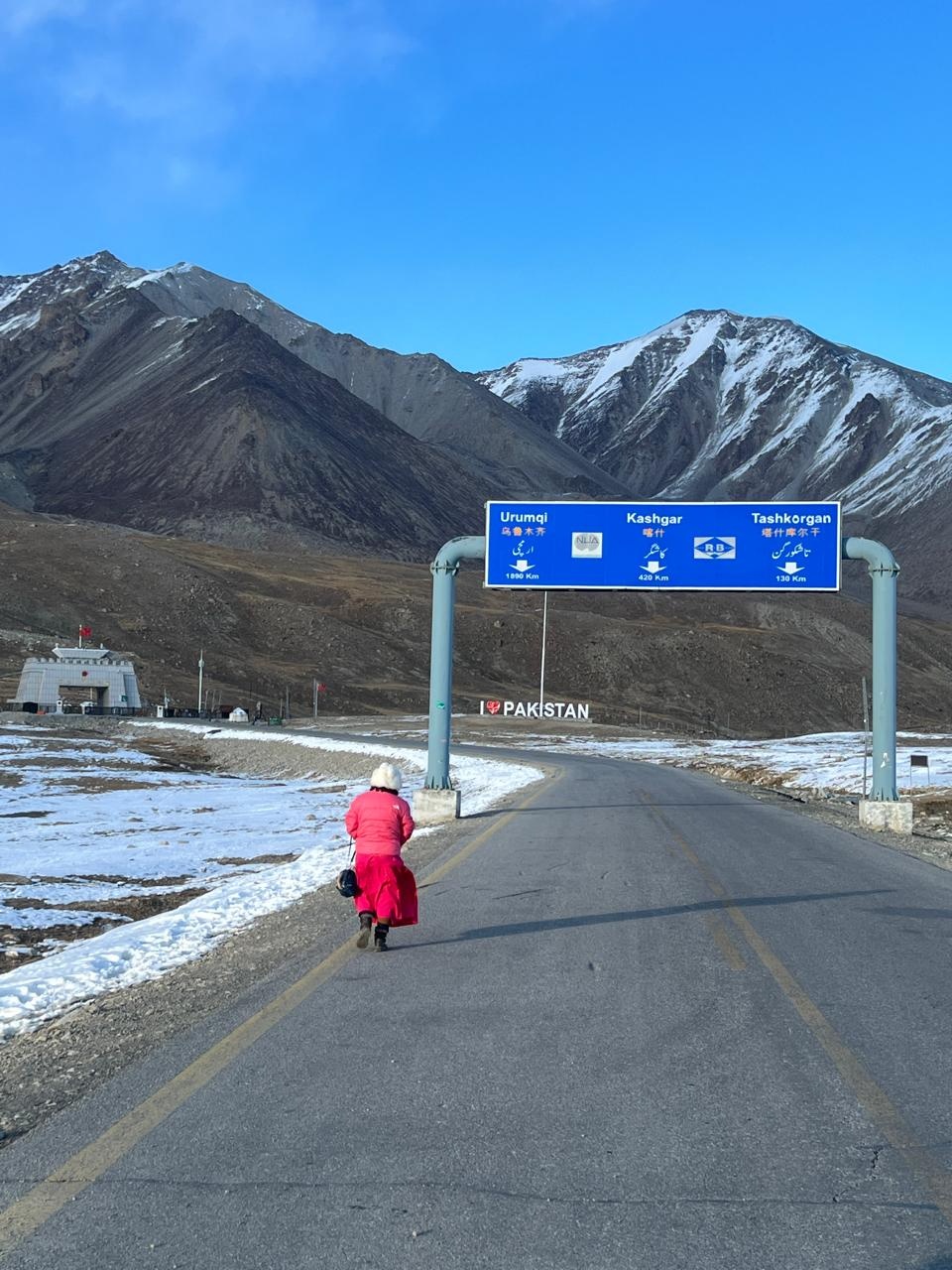
On the Chinese side, the pass serves as the southwest terminus of China National Highway 314 (G314) and is situated 130 km (81 mi) from Tashkurgan, 420 km (260 mi) from Kashgar, and approximately 1,890 km (1,170 mi) from Urumqi. The Chinese port of entry is located 3.5 km (2.2 mi) along the road from the pass.
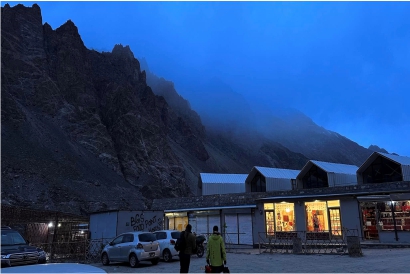
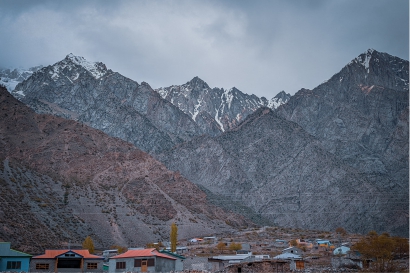
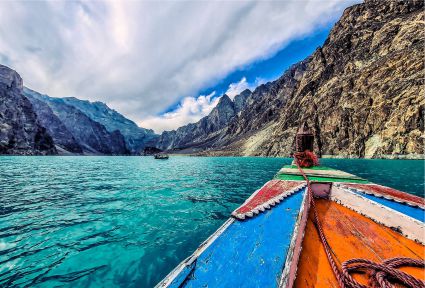
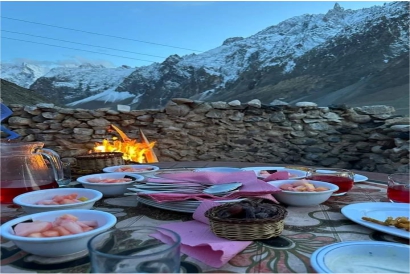
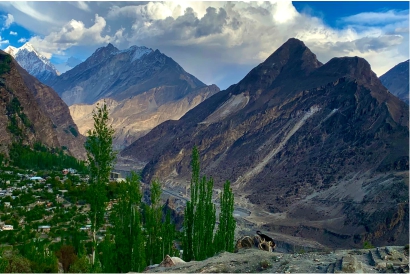
An important mountain pass on the border between Pakistan and China is Khunjerab Pass. There are 15,397 feet (4,693 meters) of elevation above sea level here.
Due to the high altitude, low oxygen, and cold, it is not recommended that children under 5 and old people go to Khunjerab Pass. In summer you can visit the Pak-China border easily with safety measurements.
Sost-Dry Port is the last village in Pakistan before Khunjerab Pass (Pak-China Border). Sost is famous for its Chinese commodities and tax-free zone. You can buy Chinese things at affordable prices.
For Pakistani local people, the Khunjerab Pass ticket price is Rs.500 PKR. On the other hand, the foreigner entry ticket price is 40 USD (11500 PKR) per head charge.
Khunjerab Pass is 180 km away from Hunza Valley. A whole day is required to Khunjerab Pass from Hunza. It takes 4 hours from Hunza Valley to reach Khunjerab Pass on one side.
There is no hotel at Khunjerab Pass for night stays. Only one or two restaurants are available for snacks, tea, and coffee. ATM machines are also available at the Top of the Pakistan-China border.
From December 1 to March 31, Khunjerab Pass remains closed for tourists and trading due to heavy snowfall.
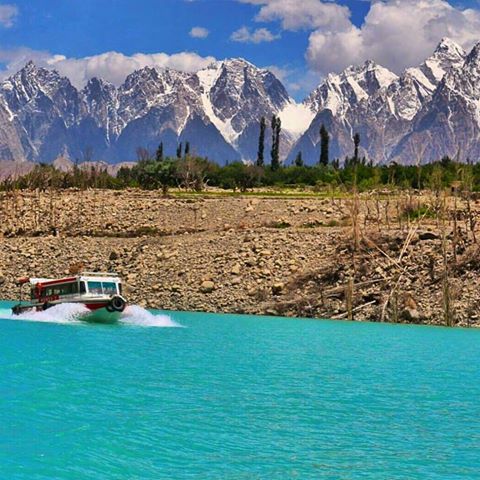
You can visit many places near to Attabad Lake to explore the surroundings. Most of the sightseeing places are:
To visit Khunjerab Pass need to cross the check post of Khunjerab National Park before 4:00 pm.