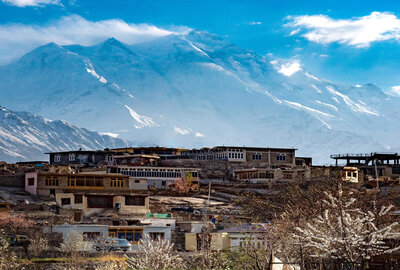
Gilgit is a destination you can visit year-round. But for ideal weather, lower travel costs, and avoiding peak holiday crowds, February stands out as the best month to visit.
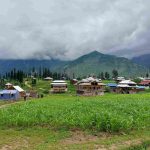
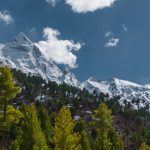
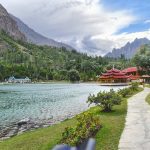
Gilgit-Baltistan is famous across Asia for its stunning scenery. Its towering mountains, clear lakes, and quiet valleys draw thousands of visitors each year. Travelers from around the world come here to experience untouched nature.
Pakistan is now listed among the top tourist destinations for 2026, showing that Gilgit-Baltistan is a dream spot not just for locals but for travelers worldwide. Each season brings a new story to its mountains. However, visiting at the wrong time might not match your expectations.
Certain months are best for sightseeing, others for trekking, and some are ideal if you love snow and quiet. This guide will help you pick the right time to visit so you can make the most of your trip.
If you want to enjoy Gilgit’s attractions during the day, July offers the longest daylight hours. To steer clear of rain during your trip, it’s best to avoid visiting Gilgit in August. For a lower chance of rain, consider visiting in December instead.
Continue reading to discover more about the ideal times for a trip to Gilgit Baltistan, featuring comprehensive weather details and resources to assist you in finding and reserving excellent travel deals.
Understanding Gilgit’s seasons is essential before proceeding, as they may differ from your home location. Situated in the Northern Hemisphere, Gilgit experiences the following seasonal months:
If temperature plays a crucial role in your travel decisions, the chart below shows the average minimum and maximum temperatures in Gilgit each month, enabling you to easily compare weather variations throughout the year. To view temperatures in both Celsius (°C) and Fahrenheit (°F), hover over or tap the shaded boxes on the graph.
If you have a general idea of which months suit your plans, the following section provides an in-depth look at Gilgit’s climate conditions for each month, helping you decide whether they align with your preferences and requirements. Scroll down or use the quick menu below to navigate to your chosen month. Hunza Valley Tours are the best option year-round, with easy access.
At the start of the year, January and February are the coldest months. Most places are covered in snow, and many roads are closed. The main city stays accessible, but roads in remote areas can be blocked.
The mountains look magical, but travel options are limited. You can enjoy the views, but trekking is very challenging during this time.
By mid-March, winter starts to fade. Snow still covers the high mountains, but the lower valleys begin to come alive. March 21st marks the end of winter here. People get busy in their fields as the farming season begins.
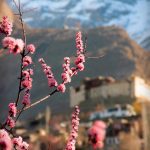
Spring truly begins now. Blossoms start to appear in Hunza and nearby areas. If you love photography or want to see the blossom season, this is the perfect time—flowers are everywhere.
Nature wakes up, and everything feels fresh. Apricot blossoms make the villages even more beautiful, and the air is filled with their scent.
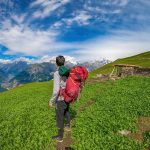
May is one of the most beautiful months in Gilgit-Baltistan. The peak season runs from May to August. Whether you want to trek or travel, this is the best time to visit.
Skardu, Hunza, and Ghizer all have a great atmosphere during this time.
Summer starts in Gilgit-Baltistan, and the trekking season officially begins.
These are the best months for explorers and adventure seekers.
This is peak tourist season.
The valleys are full of life, with people, culture, and colors everywhere. These months offer the best experience. Skardu trekkers suggest visiting in June, July, or August, when most tourists come.
September is known as the Golden Month. Most tourists have already visited in July and August, so the main sights are much quieter now.
Many travelers say this is the best time to visit.
Autumn arrives, and the greenery changes as fall colors give the villages a special look.
Hunza and Skardu look like paintings in autumn. I especially enjoy late fall—taking photos during this season is a special experience.
During these months, winter returns, trees lose their leaves, and the greenery disappears. There is not much to see, so it’s better to wait for the next season. November and December offer no special attractions.
Which season would you like to visit Gilgit-Baltistan in: spring blossoms, summer adventures, autumn’s golden colors, or winter’s snowy magic?
Share your choice in the comments and tell us which season attracts you the most.